PH INTERNATIONAL
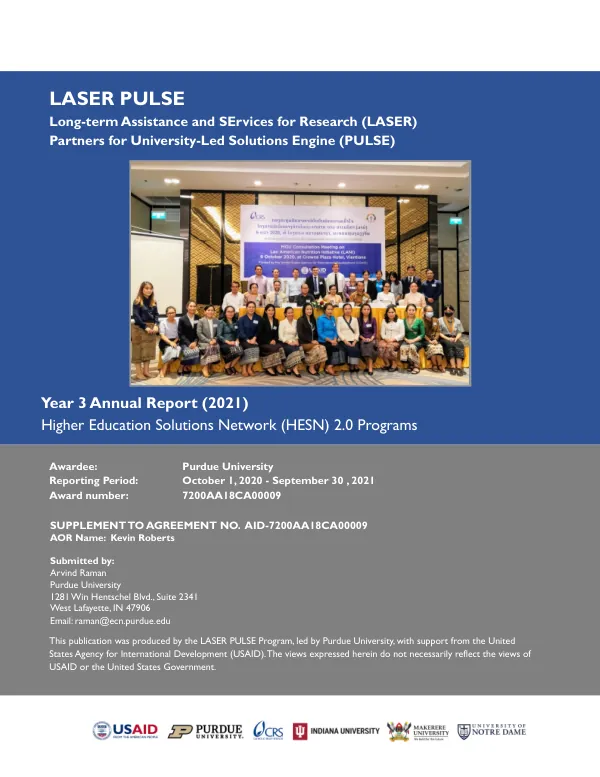
Momavlis Taoba (Future Generation) Program Extension Y3 Annual Report
The Momavlis Taoba Program (MT) Program is a three-year extension of the initial MT award, funded by the United States Agency for International Development (USAID).
2021 · 36 pages
Sign in to readA free account is required to download.
Abstract
The program aims to promote greater civic engagement among young people and enhance civil society's role in promoting transparent and accountable governance at the national and local levels. The program works with an additional 10% of secondary schools, improving the quality and scope of school-based civic education. The program's objectives include engaging 230 schools in Georgia to partner with civics teachers, students, and communities in civic education. It also provides modern teacher training for civics teachers from participating schools to assist them in meeting civics curriculum goals. The program offers four high-quality resources developed under ACETT and updated under MT to supplement and enhance existing civic education textbooks. In the reporting period, MT and its partner NGOs maintained regular communication with teachers, students, and school administration officials in all regions of Georgia. Due to the COVID-19 pandemic, schools switched to a distance learning model, and MT supported civics teachers and students by creating digital resources, online seminars, and online conferences. The program's activities include working with the Civics Teachers Forum and the Ministry of Education, Science, Culture, and Sport (MESCS) to provide a sustainable system of resources and incentives to civics teachers. It also encourages students to apply their civics lessons in practice through varied approaches, including mini-grants for teacher and student projects. PH International works closely with its Georgian partner, the Civic Education Teachers Forum (CETF), and regional partner organizations to accomplish the program objectives. The program is managed from PH International's Georgian office, with contractual relationships with USAID managed from PH International's US-based headquarters. The program's results include a 27% increase in income among program participants compared to the control group. Food security indicators improved across all target schools, with greatest gains in areas where both agricultural and market interventions were combined. The program also raised public awareness about civic education through media and other channels. The program's activities include holding multiple local, national, and regional activities, including civics club fairs and other programs that reward the civic engagement of youth. It also works with MESCS to improve civic education in secondary schools throughout the country and prepares them for the implementation of USAID civic education. The program's impact includes increasing citizen engagement and promoting transparent and accountable governance. It also enhances civil society's role in promoting civic education and prepares youth to participate in Georgia's democratic processes.