FAMILY HEALTH INTERNATIONAL
Most Women Can Safely Use OC Pills
The use of oral contraceptive (OC) pills is generally considered safe for most women.
1 pages
Sign in to readA free account is required to download.
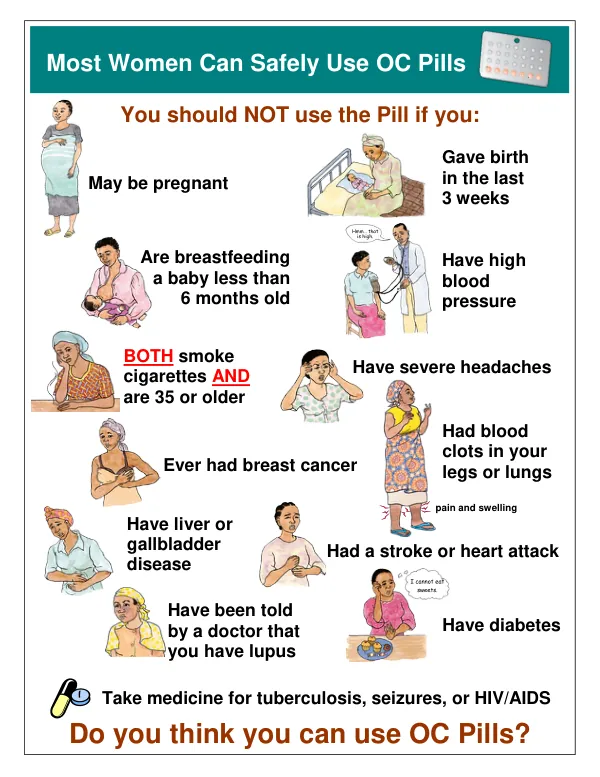
Abstract
However, certain conditions and factors may increase the risk of adverse effects or interactions with the medication. Individuals who may not use OC pills include those who are pregnant or have given birth within the past three weeks. Pregnant women should not use OC pills as they can cause harm to the developing fetus. Breastfeeding women with babies less than six months old should also avoid using OC pills. The medication can pass into breast milk and potentially affect the baby's health. Additionally, women with high blood pressure should exercise caution when using OC pills, as they may exacerbate the condition. Smoking and age can also be contraindications for OC pill use. Women who smoke cigarettes and are 35 years old or older may be at a higher risk of cardiovascular complications. Smoking can increase the risk of blood clots, which can be exacerbated by the use of OC pills. Certain medical conditions, such as liver or gallbladder disease, can also make OC pill use contraindicated. Women with a history of blood clots in their legs or lungs, or those who have had a heart attack or stroke, should consult their doctor before using OC pills. Additionally, individuals with lupus, diabetes, or those taking certain medications, such as medicine for seizures, seizures, or HIV/AIDS, should discuss their options with their healthcare provider. In some cases, women may experience side effects from OC pills, such as high blood sugar levels. For example, a woman who cannot eat sweets may experience high blood sugar levels due to the medication. Other potential side effects include pain and swelling, which can be a sign of an underlying condition that may require medical attention. Women who experience any unusual symptoms or concerns should consult their healthcare provider for guidance.