USAID
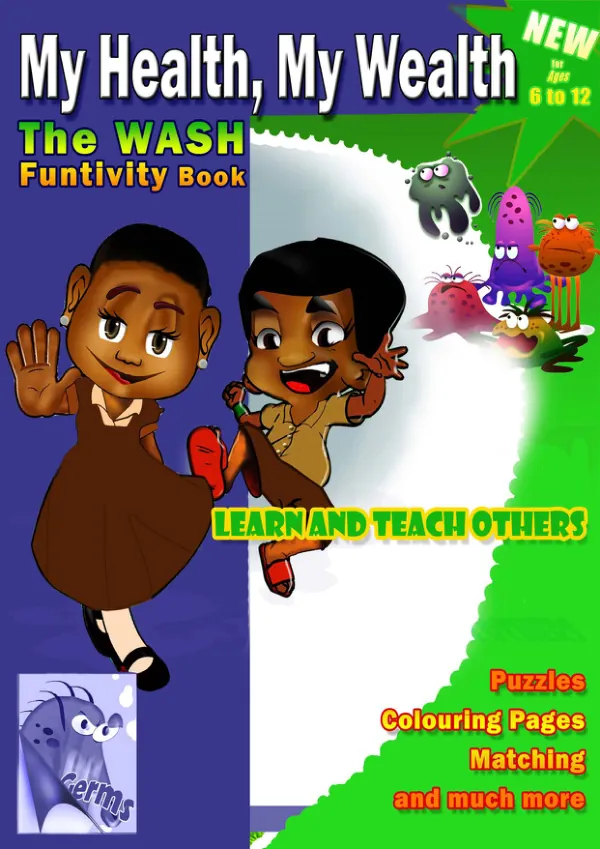
My Health, My Wealth Funtivity Book
Water is essential for human survival, and its quality and availability have significant impacts on public health.
2013 · 36 pages
Sign in to readA free account is required to download.
Abstract
In many communities, water sources are contaminated with pollutants, making it difficult to access safe drinking water. This can lead to waterborne diseases, which are a major cause of morbidity and mortality worldwide. In Rwanda, for example, water scarcity and poor sanitation infrastructure have resulted in limited access to safe drinking water, with crop yields averaging 44% below regional benchmarks due to inadequate irrigation and soil degradation. The agricultural development initiative in Rwanda aimed to address these challenges by implementing sustainable agriculture practices, improving irrigation systems, and enhancing market access for farmers. The program focused on training farmers in water conservation techniques, such as composting, and promoting the use of efficient irrigation systems. Community feedback indicated that women-headed households showed higher adoption rates for these practices, except for mechanical land preparation. In the context of water management, water conservation is crucial for maintaining water quality and ensuring its availability for future generations. This involves reducing water waste, promoting efficient use of water, and protecting water sources from pollution. In Rwanda, the My Health, My Wealth Funtivity Book highlights the importance of water conservation and provides educational materials for children on the importance of water management. The book features a poem by Ita Bobo, which emphasizes the need for water conservation and highlights the impact of water pollution on public health. The poem reads: "Water is life, but it's also a challenge / We must conserve it, or it will be a disaster / We must protect it, or it will be a threat / To our health, to our future, to our wealth." This poem serves as a reminder of the importance of water conservation and the need for collective action to protect this vital resource. In addition to promoting water conservation, the My Health, My Wealth Funtivity Book also emphasizes the importance of sanitation and hygiene practices in maintaining public health. The book features a poem by Achiebold Acheampong, which highlights the need for proper sanitation and hygiene practices in preventing the spread of waterborne diseases. The poem reads: "Sanitation is key, to a healthy life / We must keep our environment clean, and our bodies too / We must wash our hands, and keep our surroundings clean / To prevent the spread of diseases, and keep our health." This poem serves as a reminder of the importance of sanitation and hygiene practices in maintaining public health. The book also emphasizes the importance of hygiene practices in maintaining oral health. The poem by D.K. Osei-Yaw highlights the need for regular brushing and flossing to prevent tooth decay and gum disease. The poem reads: "Hygiene is key, to a healthy smile / We must brush our teeth, and floss every day / We must keep our mouths clean, and our bodies too / To prevent the spread of diseases, and keep our health." This poem serves as a reminder of the importance of hygiene practices in maintaining oral health. Overall, the My Health, My Wealth Funtivity Book provides educational materials for children on the importance of water conservation, sanitation, and hygiene practices in maintaining public health. The book features poems by various authors, which serve as reminders of the importance of these practices in preventing the spread of waterborne diseases and maintaining public health.