UNIVERSITY RESEARCH CORPORATION CO., LLC
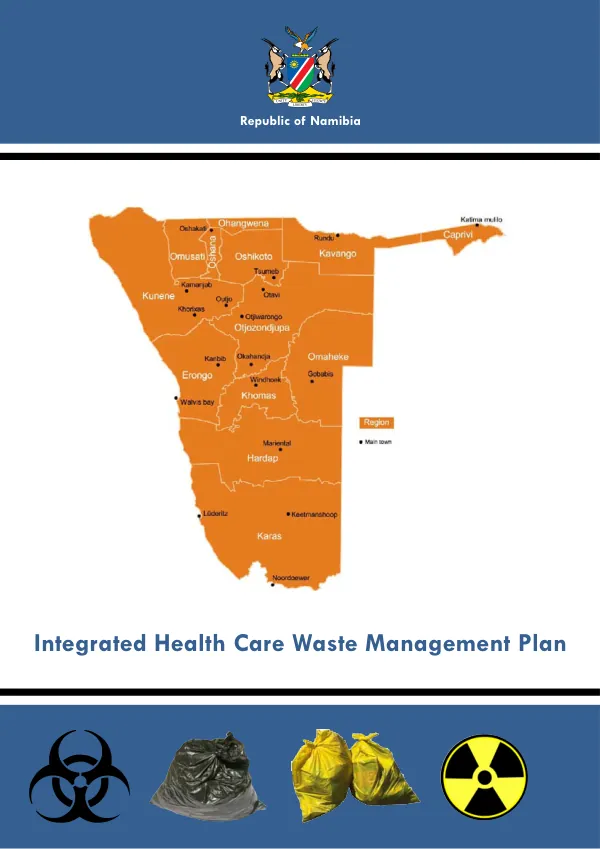
Namibia Integrated Health Care Waste Management Plan
The Namibia Integrated Health Care Waste Management Plan aims to provide a comprehensive framework for the management of health care waste in Namibia.
2012 · 102 pages
Sign in to readA free account is required to download.
Abstract
The plan is part of a dynamic process and undergoes periodic review to ensure its effectiveness in addressing the country's health care waste management challenges. The plan is based on the National Waste Management Policy issued in 2011 and is intended to complement existing legislation and regulations. The financial and technical support for the development of the plan was provided by the American people through the U.S. Agency for International Development (USAID) and its Bureau for Global Health, Office of Health and Mission in Namibia. Health care risk waste management is a critical component of the plan, which involves the segregation, storage, collection, transportation, treatment, and disposal of health care waste. The plan emphasizes the importance of proper waste management practices to prevent the spread of diseases and protect the environment. The current situation in Namibia with regards to health care waste management is characterized by inadequate storage and collection facilities, lack of proper segregation and disposal practices, and limited awareness among health care workers and the general public. The plan aims to address these challenges by providing guidelines for the establishment of designated waste storage areas, external collection and transportation, and treatment and disposal facilities. The institutional framework for health care waste management in Namibia is outlined in the plan, which includes the roles and responsibilities of various stakeholders at the national, regional, district, and community levels. The plan also emphasizes the importance of training and awareness programs for health care workers and the general public to promote proper waste management practices. The plan provides detailed guidelines for the management of health care waste, including segregation and containerization, storage facilities, collection and transportation, treatment and disposal, and occupational safety and health practices. The plan also addresses specific issues related to pharmaceutical waste, including cytotoxic and genotoxic waste, other hazardous waste, mercury waste, and spent photographic chemicals. The plan emphasizes the importance of proper waste management practices to prevent the spread of diseases and protect the environment. It also highlights the need for ongoing monitoring and evaluation to ensure the effectiveness of the plan in addressing the country's health care waste management challenges. The implementation of the plan will require the involvement of various stakeholders, including health care facilities, local authorities, and community groups. The plan provides a framework for collaboration and coordination among these stakeholders to ensure the effective management of health care waste in Namibia. The plan is intended to be a living document that will undergo periodic review and update to reflect changes in legislation, regulations, and best practices in health care waste management. The plan will continue to provide a framework for the management of health care waste in Namibia, ensuring the protection of public health and the environment.
Related documents