FANTA
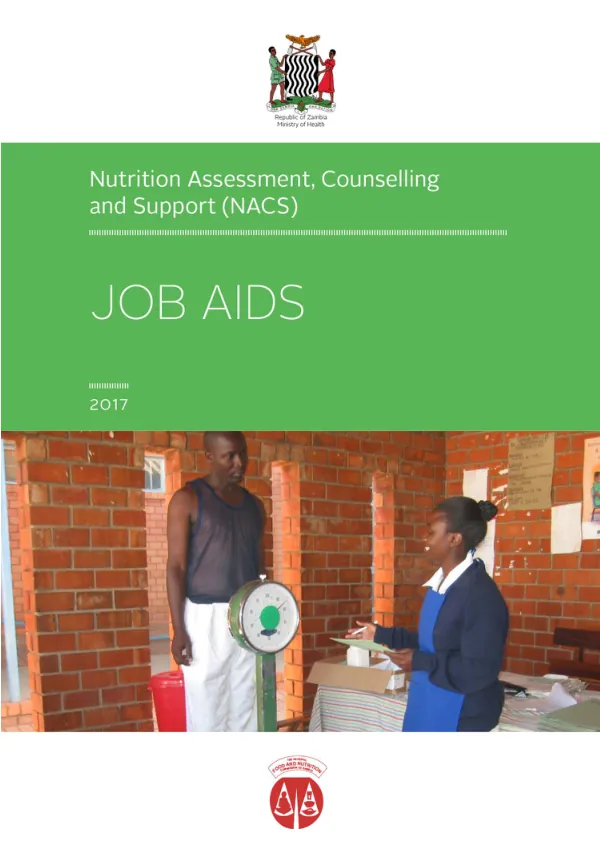
Nutrition Assessment, Counselling and Support (NACS)- Job Aids
Malnutrition is a condition characterized by inadequate nutrition, leading to various health issues.
2017 · 20 pages
Sign in to readA free account is required to download.
Abstract
It can be caused by a lack of essential nutrients, such as proteins, carbohydrates, and vitamins. Malnutrition can be acute or chronic, and it affects individuals of all ages. Malnutrition can be caused by various factors, including inadequate diet, food insecurity, and underlying health conditions. Inadequate diet can be caused by a lack of access to nutritious food, poor food choices, or restrictive eating patterns. Food insecurity can be caused by poverty, conflict, or conflict-related displacement. Underlying health conditions, such as gastrointestinal disorders, can also contribute to malnutrition. Malnutrition can lead to various health issues, including weight loss, fatigue, weakness, and impaired immune function. In severe cases, malnutrition can lead to life-threatening complications, such as organ failure and death. Malnutrition can also have long-term effects on an individual's health, including stunted growth and development, impaired cognitive function, and increased risk of chronic diseases. Preventing malnutrition requires a comprehensive approach that addresses the underlying causes. This includes ensuring access to nutritious food, promoting healthy eating habits, and addressing underlying health conditions. Individuals can take steps to prevent malnutrition by maintaining a balanced diet, staying hydrated, and engaging in regular physical activity. Bilateral pitting oedema is a sign of severe acute malnutrition (SAM) that occurs when there is swelling in both feet or ankles. It is a critical indicator of malnutrition and requires immediate medical attention. Bilateral pitting oedema can be diagnosed by pressing the thumbs on top of both feet and counting to three before lifting the thumbs. If the skin stays depressed on both feet, the individual has Grade + (mild) bilateral pitting oedema. Anaemia is a condition characterized by a lack of red blood cells or haemoglobin in the blood. It can be caused by various factors, including iron deficiency, chronic diseases, and genetic disorders. Anaemia can be diagnosed by measuring haemoglobin levels in the blood. The World Health Organization (WHO) has established cut-off points for anaemia in different age groups, including children, pregnant women, and non-pregnant women. The appetite test is a critical tool for diagnosing severe acute malnutrition (SAM) in children. It involves offering a child a packet of Ready-to-Use Therapeutic Food (RUTF) and observing their appetite. The test is used to assess the child's ability to eat and their willingness to eat. The minimum amount of RUTF that a child must eat to pass the appetite test is 30 grams. Criteria for failure to respond to treatment of severe acute malnutrition (SAM) include primary failure to regain weight, failure to lose oedema, and failure to gain 3-5 grams per kilogram per day. Secondary failure to respond includes failure to gain 3-5 grams per kilogram per day for 21 days, failure to lose oedema, and failure to gain weight. Factors that affect response to treatment of SAM include service issues, such as wrong RUTF prescribed, failure to complete charts, and poorly trained staff. Inpatient care issues include infection, poorly done appetite test, and inadequate instructions to caregivers. Outpatient care issues include feeding children from the same plate as the rest of the family, unwilling or busy caregiver, and poor selection of clients to go to outpatient therapeutic programme (OTP). The algorithm for management of malnutrition in children involves assessing nutrition, diagnose, and treating severe acute malnutrition (SAM) and moderate acute malnutrition (MAM). SAM is diagnosed by bilateral pitting oedema, weight and length/height measurements, and growth curve, while MAM is diagnosed by weight and length/height measurements and growth curve. Treatment for SAM includes inpatient care, while treatment for MAM includes outpatient care.