USAID DEC
Partner Index Testing Protocol
Index testing is a voluntary service offered to individuals who have recently learned their HIV status.
6 pages
Sign in to readA free account is required to download.
Abstract
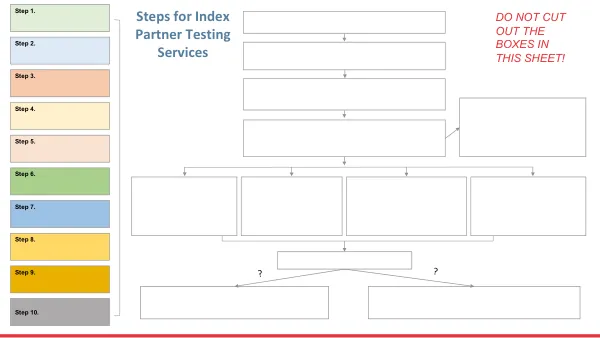
The primary goal of index testing is to identify and test the sexual partners and biological children of the individual, with the aim of preventing further transmission of the virus. This process involves a series of steps to ensure the safety and well-being of all parties involved. The first step in the index testing process is to introduce the concept of index testing and risk network referral to the client. This involves explaining the benefits and risks of partner testing, as well as the available options for notification and testing of partners and children. The client is then offered the opportunity to participate in index testing, which is a voluntary service. Once the client has agreed to participate, the next step is to obtain consent to inquire about their partner(s) and biologic child(ren). This involves discussing the importance of identifying and testing all individuals who may be at risk of HIV transmission. The client is then asked to provide a list of their sex and needle-sharing partners, as well as their biological children. The client is then offered the opportunity to determine the preferred method of partner notification or child testing for each named partner/child. This may involve contacting the partner or child directly, or providing them with information about the testing process and encouraging them to seek testing on their own. The client is also asked to provide information about their intimate partner violence (IPV) risk assessment for each named partner. The next step in the index testing process is to contact all named partners and biological children. This may involve telephone or home visit scripts, depending on the client's preferences and the availability of resources. The client is also provided with information about the testing process and encouraged to seek testing on their own. Once all partners and children have been contacted, the outcomes of partner notification and family testing are recorded. This involves documenting the results of testing, as well as any adverse events that may have occurred during the testing process. The final step in the index testing process is to provide appropriate services for children and partner(s) based on their HIV status. This may involve referral to HIV testing and treatment services, as well as support and counseling to help individuals cope with their diagnosis. The client is also followed up to assess for any adverse events associated with index testing. In addition to the index testing process, clients who participate in partner testing may also be referred to other services, such as IPV services or HIV testing and treatment services. The goal of these services is to provide support and resources to individuals who are at risk of HIV transmission, as well as to help them access the care and treatment they need to manage their HIV diagnosis.