FINTRAC
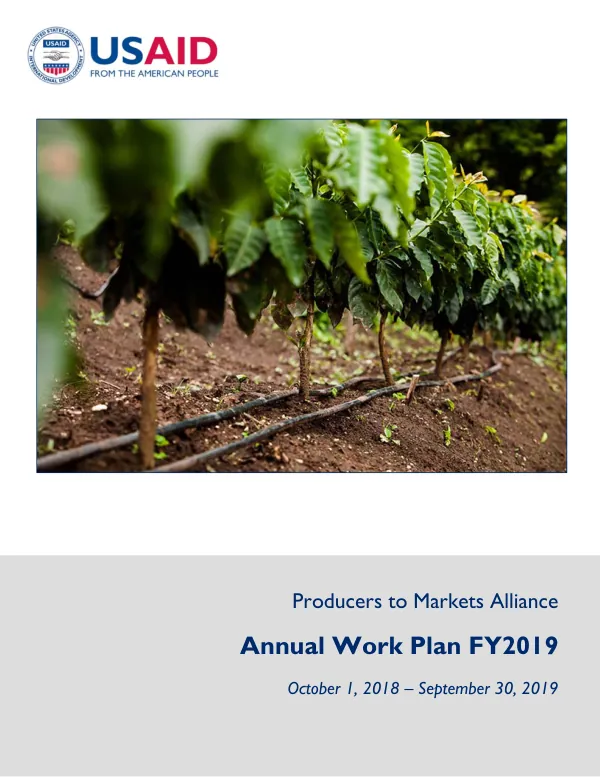
PMA Annual Work Plan FY2019
The Producers to Markets Alliance (PMA) Activity directly contributes to USAID/Colombia's Country Development Cooperation Strategy objective of strengthening Colombia's capacity to implement a sustainable and inclusive peace by improving conditions for inclusive rural economic growth.
2019 · 24 pages
Sign in to readA free account is required to download.
Abstract
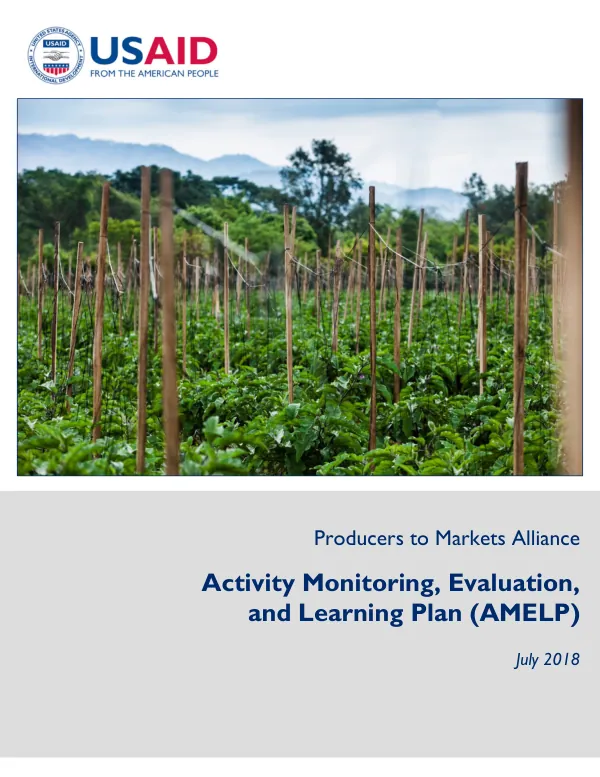
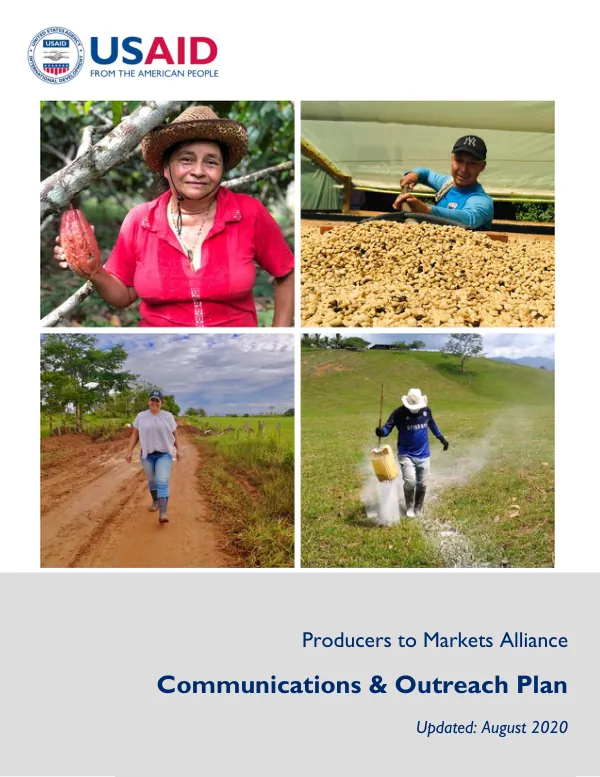
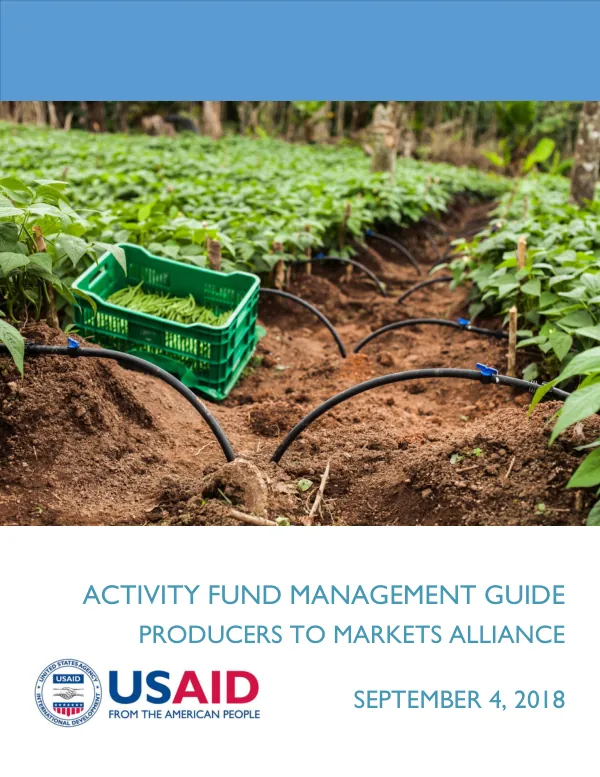
PMA's activities target strengthening and improving the competitiveness of small-scale farmers within marginalized rural municipalities, enabling them and other value chain actors to respond to new and expanding market opportunities through interventions that sustainably increase incomes. PMA targets five priority value chains: cacao, specialty coffee, natural latex, tropical fruits and vegetables, and sustainable dairy production, as well as other opportunities (i.e. shrimp, honey) based on market demand and income-generating potential. The program seeks to maximize the inclusion of women, youth, Afro-Colombians, indigenous populations, the disabled, and other marginalized groups. PMA implements a market-led systems approach to expand domestic and export market opportunities, improve the capacity of producers and rural agribusinesses to respond to market opportunities, and promote investment in rural infrastructure that will facilitate trade. PMA's target economic corridors include Norte del Cauca and Valle del Cauca (Cali), Bajo Cauca Antioqueno and Sur de Córdoba (Caucasia), Sur de Bolívar (Santa Rosa del Sur), Piedemonte Caqueteño (Florencia), Meta (Granada), and Pacífico and Frontera Nariñense (Tumaco). These economic corridors include a total of 86 priority municipalities where PMA is targeting its market-driven production and rural infrastructure activities. PMA is currently operating in 46 of the 86 priority municipalities and will continue to expand into new municipalities based on market demand and productive potential in FY 2019. The Activity Fund (AF) is PMA's key implementation mechanism to leverage public and private investment in target value chain activities, expand farmer outreach, build capacity of local organizations, and ensure sustainability post-project. In FY 2019, PMA aims to develop and implement a total of 119 new sub-award activities including 100 commercial alliances and 19 tertiary roads projects. PMA will continue to support participation of select producer associations in relevant national and international trade shows and fairs to showcase exportable products, and will monitor the results and sustainability of linkages established. PMA will also facilitate micro-lot sales to international buyers to enter new markets. Under an MOU signed in FY 2018, PROCOLOMBIA will be a key partner in export promotion activities in connecting producers with markets and new business opportunities, strengthening the export potential of producer organizations through assistance in negotiation and export logistics, and co-sponsoring participation in trade fairs. PMA subcontractor Boot Coffee will also play a strategic role in developing marketing and branding strategies for differentiating Colombian coffees in international markets and organizing cupping caravans for international buyers. PMA will focus on product certification in the coffee and cacao value chains with internationally recognized certification marks such as Fairtrade, UTZ, and Organic where buyers are willing to finance certification costs and farmers will benefit from increased prices. To strengthen the competitiveness of small-scale farmers, PMA will provide training and technical assistance on sustainable agriculture practices, integrated pest management, and post-harvest handling and storage. PMA will also support the development of business plans and financial management skills for producer organizations and rural agribusinesses. In FY 2019, PMA aims to reach more than 18,000 farming households, generate $33.5 million in sales ($582,000 in exports), and improve 417 kilometers of tertiary roads. All activities proposed in this work plan are designed to contribute to these primary targets. PMA will continue to work closely with the Government of Colombia, USAID, and other stakeholders to ensure the sustainability and impact of its activities.
Related documents