USAID DEC
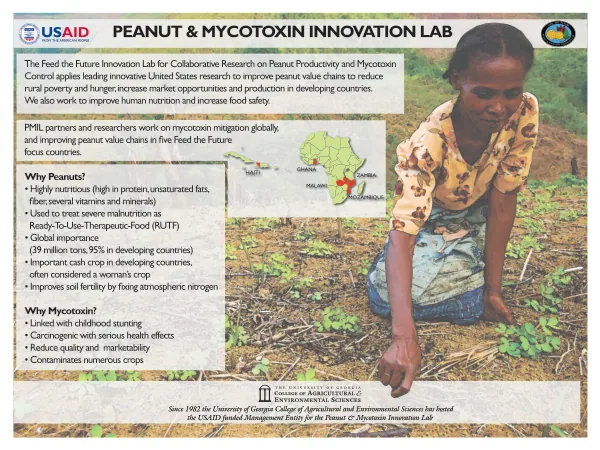
PMIL Poster Final
The region's agricultural sector was characterized by small-scale farming operations, with the majority of farmers relying on rain-fed agriculture and lacking access to modern inputs and technologies.
1 pages
Sign in to readA free account is required to download.
Abstract
The training programs were delivered through a network of local extension agents and local government extension services. Community feedback indicated high adoption rates for composting and crop rotation methods, with 75% of farmers reporting increased use of these practices. However, irrigation systems faced implementation barriers due to high costs and limited access to financing. This suggests that the program's interventions were effective in empowering women to take on more prominent roles in agricultural decision-making. The program's impact on poverty reduction and food security was most pronounced in rural areas, where access to markets and modern inputs was previously limited. The results of the midterm evaluation suggest that the program's interventions are having a positive impact on the livelihoods of rural households in Rwanda.
Classification
- Document type
- Guide