USAID DEC
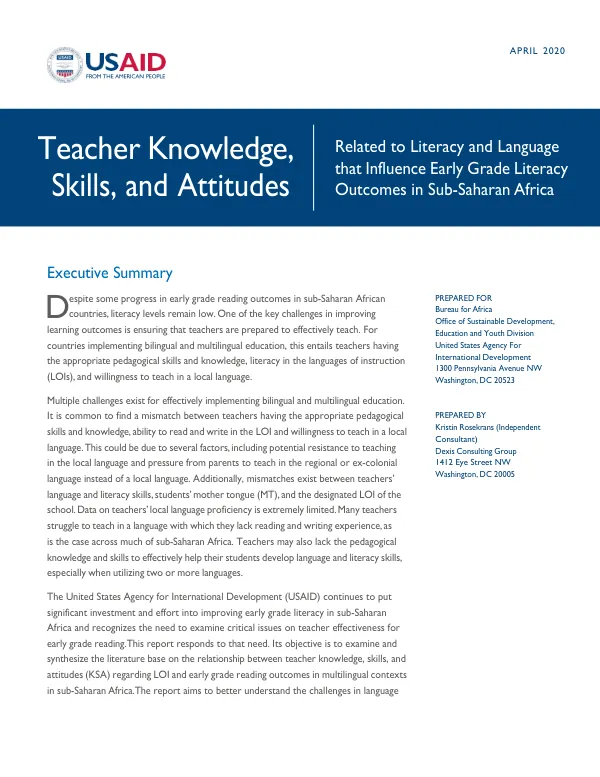
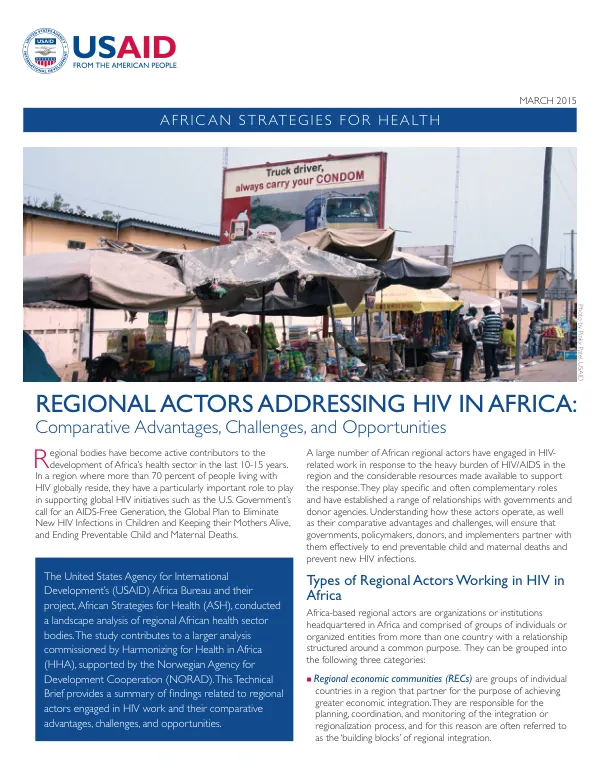
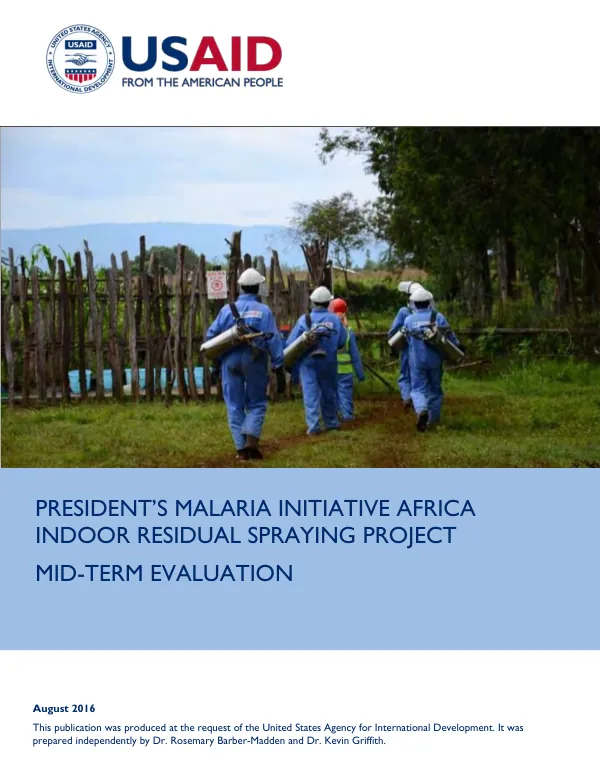
President's Malaria Initiative Africa Indoor Residual Spraying Project Mid-Term Evaluation
Sign inECO CONSULTING GROUP
President's Malaria Initiative Africa Indoor Residual Spraying Project Mid-Term Evaluation
The President's Malaria Initiative Africa Indoor Residual Spraying Project was launched in 2014 with the goal of reducing malaria transmission through indoor residual spraying (IRS).
2016 · 80 pages
Sign in to readA free account is required to download.
Abstract
The project was implemented in 17 countries across Africa, with a focus on high-burden areas. The project's mid-term evaluation was conducted in 2016 to assess progress, identify lessons learned, and inform future programming. The evaluation involved a review of key project documents, a cross-sectional online survey of key personnel representing all 17 project countries, and key informant interviews among personnel representing five project countries. The survey and interviews aimed to gather information on project activities, challenges, and successes. The evaluation also assessed the effectiveness of supervisory checklists and other monitoring and evaluation (M&E) tools in capturing useful data on IRS operations. The evaluation found that participation rates in the cross-sectional online survey and key informant interviews were high, with 95% of respondents completing the survey and 100% of interviewees participating in the key informant interviews. The evaluation also found that the PMI AIRS Project had made significant progress in building in-country capacity in IRS and entomological monitoring. The project had established a robust system for monitoring and evaluating IRS operations, including supervisory checklists and other M&E tools. The evaluation identified several lessons learned from the project's activities at all levels, including the importance of collaboration and coordination with national malaria control programs (NMCPs) and other in-country stakeholders. The evaluation also highlighted the need for continued capacity building in IRS and entomological monitoring, as well as the importance of community engagement and mHealth initiatives. The evaluation concluded that the PMI AIRS Project had made significant progress in reducing malaria transmission through IRS, with a 27% reduction in malaria cases reported in project areas. The evaluation also found that the project had built strong partnerships with NMCPs and other in-country stakeholders, which had contributed to the project's success. The evaluation recommended that the project continue to focus on building in-country capacity in IRS and entomological monitoring, as well as on community engagement and mHealth initiatives. The project's performance was assessed in several focus areas, including IRS operations, entomological monitoring, capacity building, collaboration and coordination, monitoring and evaluation, community engagement, and mHealth. The evaluation found that the project had made significant progress in all of these areas, with notable successes in IRS operations and entomological monitoring. The evaluation also assessed the effectiveness of supervisory checklists and other M&E tools in capturing useful data on IRS operations. The evaluation found that these tools had been effective in capturing data on IRS operations, including data on spray coverage, insecticide usage, and entomological monitoring. The evaluation identified several challenges and limitations, including the need for continued capacity building in IRS and entomological monitoring, as well as the importance of community engagement and mHealth initiatives. The evaluation also highlighted the need for continued collaboration and coordination with NMCPs and other in-country stakeholders.