UNIVERSITY RESEARCH CORPORATION CO., LLC
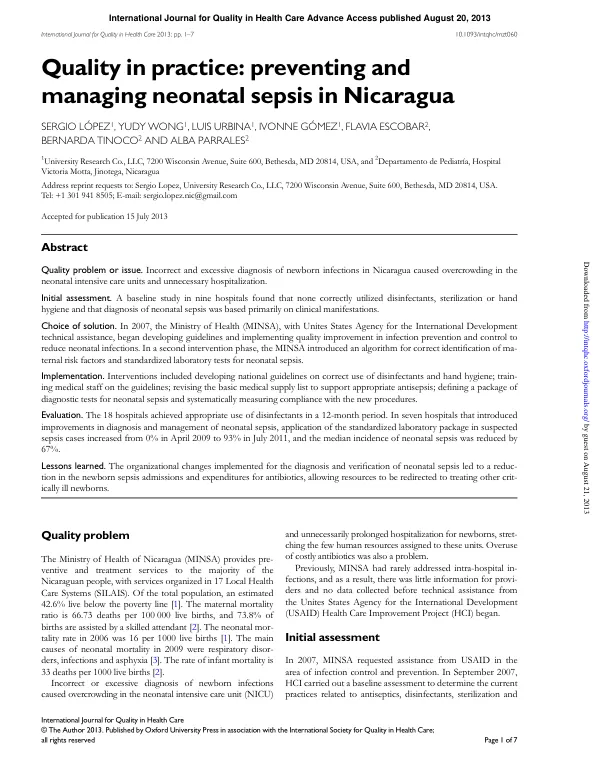
Quality in practice: preventing and managing neonatal sepsis in Nicaragua
The Ministry of Health of Nicaragua (MINSA) identified a quality problem in the prevention and management of neonatal sepsis in the country's hospitals.
2013 · 7 pages
Sign in to readA free account is required to download.
Abstract
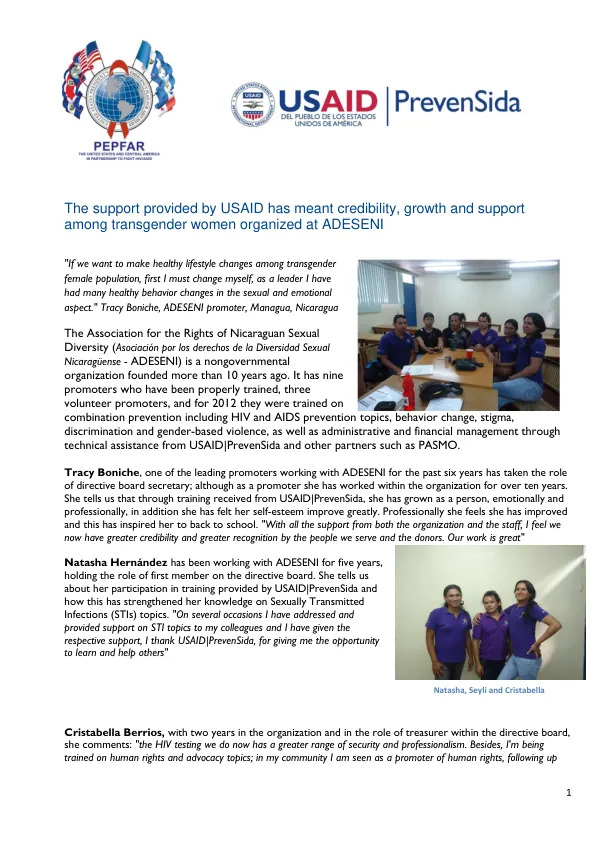
Incorrect and excessive diagnosis of newborn infections led to overcrowding in neonatal intensive care units (NICUs) and unnecessary hospitalization. The main causes of neonatal mortality in 2009 were respiratory disorders, infections, and asphyxia. A baseline study in nine hospitals found that none correctly utilized disinfectants, sterilization, or hand hygiene. Diagnosis of neonatal sepsis was based primarily on clinical manifestations. The study also found that medical staff did not have a clear understanding of maternal risk factors for early-onset newborn sepsis. Clinical suspicion was often not supported by laboratory tests, and suspected cases of intra-hospital infection were reported as sepsis. In 2007, MINSA requested assistance from the United States Agency for International Development (USAID) in the area of infection control and prevention. A baseline assessment was conducted in nine MINSA hospitals to determine the current practices related to antiseptics, disinfectants, sterilization, and hand washing. The assessment found that critical instruments were sterilized using a chlorhexidine mix instead of an autoclave, and instruments were sterilized for arbitrary periods of time in the autoclave. The Ministry of Health proposed to promote the rational use of disinfectants, sterilization, and hand hygiene in obstetric and neonatal hospital areas at high risk of infection. A new technical norm and set of guidelines for the rational use of disinfectants, sterilization, and hand hygiene were developed and approved by MINSA. The guidelines specified a disinfection process for operating rooms that enabled their availability for any type of surgical intervention 20 minutes after disinfection with chlorine and benzalkonium chloride. The guidelines also standardized the time and temperature of autoclave sterilization. Trainings were held in the nine hospitals on the guidelines, emphasizing the Spaulding risk classification of intra-hospital infection transmission for different objects and EPA classifications of different disinfectants. Rapid improvement cycles were implemented to increase and measure compliance with the guidelines in areas with high infection risk. The use of alcohol gel became the principal method for controlling infections through indirect contact. Quality improvement teams in hospitals determined the most effective actions to increase the use of alcohol gel in NICUs and pediatrics units. MINSA included alcohol gel for hand hygiene on its basic supplies list, and chlorhexidine-cetrimide were removed from the list as they were not effective disinfectants. A second intervention, specifically directed to address neonatal sepsis, was begun in the Jinotega Hospital in April 2009. A multidisciplinary team was formed to respond to the issues, and the team was trained on quality improvement methodology to identify gaps and their causes and carry out rapid cycles. The team developed an algorithm for correct identification of maternal risk factors and standardized laboratory tests for neonatal sepsis. The 18 hospitals achieved appropriate use of disinfectants in a 12-month period. In seven hospitals that introduced improvements in diagnosis and management of neonatal sepsis, application of the standardized laboratory package in suspected sepsis cases increased from 0% in April 2009 to 93% in July 2011. The median incidence of neonatal sepsis was reduced by 67%. The organizational changes implemented for the diagnosis and verification of neonatal sepsis led to a reduction in newborn sepsis admissions and expenditures for antibiotics, allowing resources to be redirected to treating other critically ill newborns.
Related documents