USAID
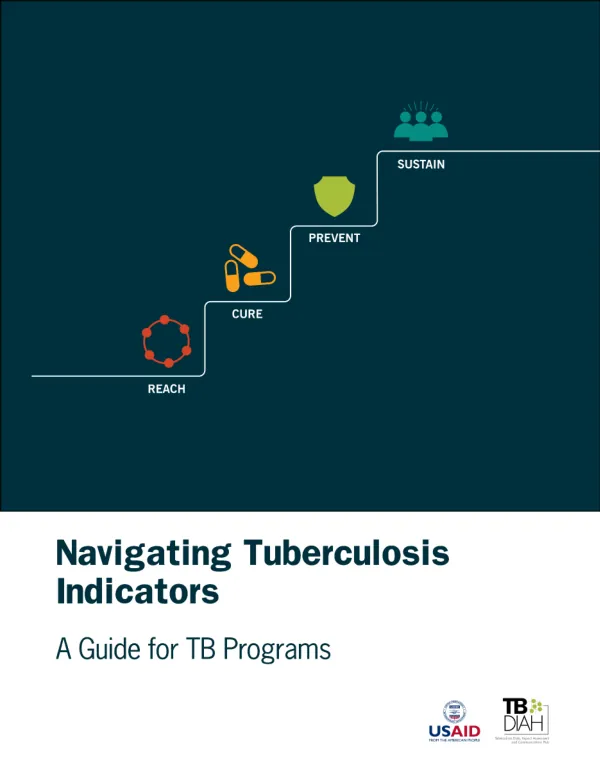
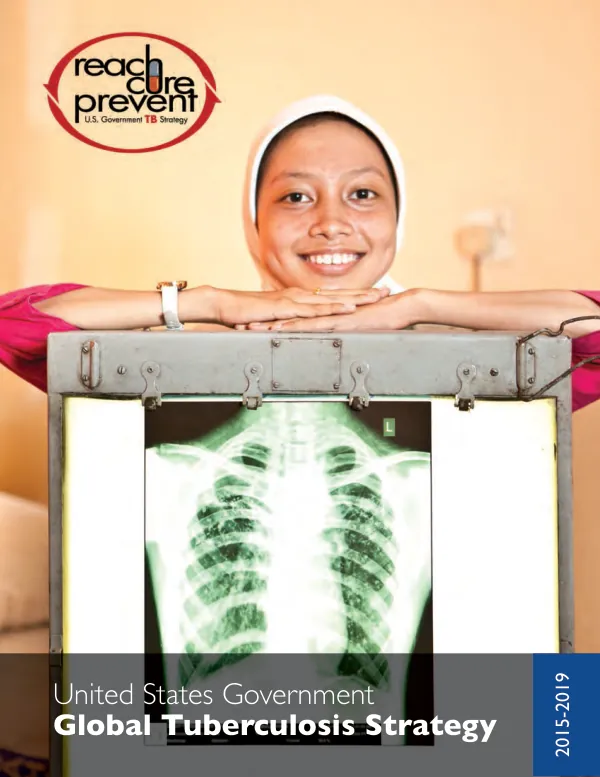
Reach. Cure. Prevent. U.S. Government TB Strategy
The U.S.
2015 · 24 pages
Sign in to readA free account is required to download.
Abstract
Government and the global community share a vision of a world free from tuberculosis (TB), as set forth in the World Health Assembly's Post-2015 Global TB Strategy. To achieve this vision and end all deaths due to TB, the U.S. Government will work with its partners around the world to reach every person with TB, cure those in need of treatment, and prevent the spread of disease and new infections. The vision of a world free from TB is ambitious yet achievable, with great progress made in the last 25 years. Since 1990, the global community has reduced the number of deaths from TB by 45 percent, reduced TB prevalence by 41 percent, and reduced annual TB incidence from 151 to 126 per 100,000. Since 2000, 37 million people have been cured of TB. TB is the second-leading cause of death from infectious disease in the world, with one person dying of TB every three minutes. TB is the leading cause of death among people living with HIV and AIDS and is responsible for approximately one quarter of all HIV-related deaths. The rapid emergence of drug-resistant TB (DR-TB) has the potential to reverse 20 years of progress in mitigating the devastating effects of TB. Each year, an estimated 9 million people develop TB, and 1.5 million people die from the disease. There are more than 500,000 cases of TB among children each year. In addition, multidrug-resistant and extensively drug-resistant TB (MDR-TB and XDR-TB) are significant concerns, with MDR-TB estimated to develop in almost half a million people each year. The U.S. Government must continue to ramp up efforts to improve the quality of diagnosis, care, and treatment of TB to prevent the development of DR-TB and develop new tools to address this deadly epidemic. Most people developing active TB can be identified and cured using widely available diagnostic tools and treatment regimens. However, without proper treatment, up to two-thirds of people with TB will die. Approximately one-third of the world's population is infected with the mycobacteria that causes TB. While individuals with latent TB infection (LTBI) are not ill and cannot transmit TB, they may harbor the infection throughout their lives and are at risk of developing active (symptomatic and transmissible) TB disease during their lifetime. The global TB epidemic is characterized by significant successes and challenges. Since 2000, 37 million lives have been saved through TB diagnosis and treatment. TB mortality has declined by 45 percent since 1990, and TB prevalence has declined by 41 percent since 1990. However, despite these successes, 9 million people developed active TB in 2014, and 3 million cases were not diagnosed or notified to public health programs. The development of DR-TB is a major concern, with only 48 percent of individuals diagnosed with DR-TB successfully treated in 2014. The U.S. Government will work to address these challenges and achieve the vision of a world free from TB.
Related documents