USAID
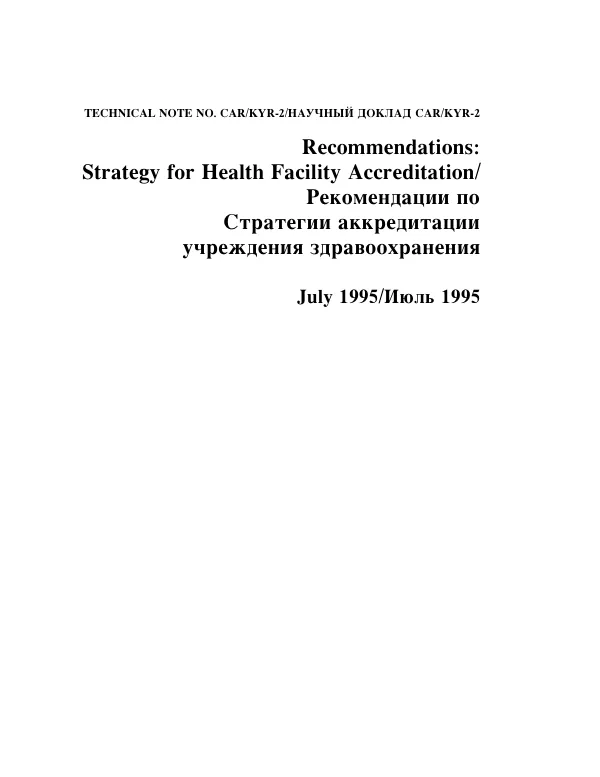
Recommendations: Strategy for Health Facility Accreditation
The program's success was attributed to the effective integration of training, infrastructure development, and market linkage facilitation.
9 pages
Sign in to readA free account is required to download.
Abstract
The initiative's geographic focus was on Eastern Province, where soil degradation and limited market access were identified as primary challenges. The program's implementation was phased, with initial assessments and training programs conducted in the first year, followed by infrastructure development and market linkage facilitation in subsequent years. The program's timeframes were critical to its success, with initial assessments and training programs conducted in the first year, followed by midterm evaluation and adjustments to the program's implementation. The program's recommendations for future agricultural development initiatives in Rwanda emphasized the importance of integrating training, infrastructure development, and market linkage facilitation to address the complex challenges facing smallholder farmers. The program's findings and conclusions highlighted the need for a comprehensive approach to agricultural development, one that addresses the social, economic, and environmental challenges facing smallholder farmers. The program's success demonstrated the potential for agricultural development initiatives to improve food security and increase household income among smallholder farmers in Rwanda.
Classification
Related documents