USAID
Reintegración Comunitaria y Reconciliación en el Cauca
The Reintegración Comunitaria initiative in Colombia began in 2014 with the aim of reintegrating communities affected by the conflict.
2014 · 80 pages
Sign in to readA free account is required to download.
Abstract
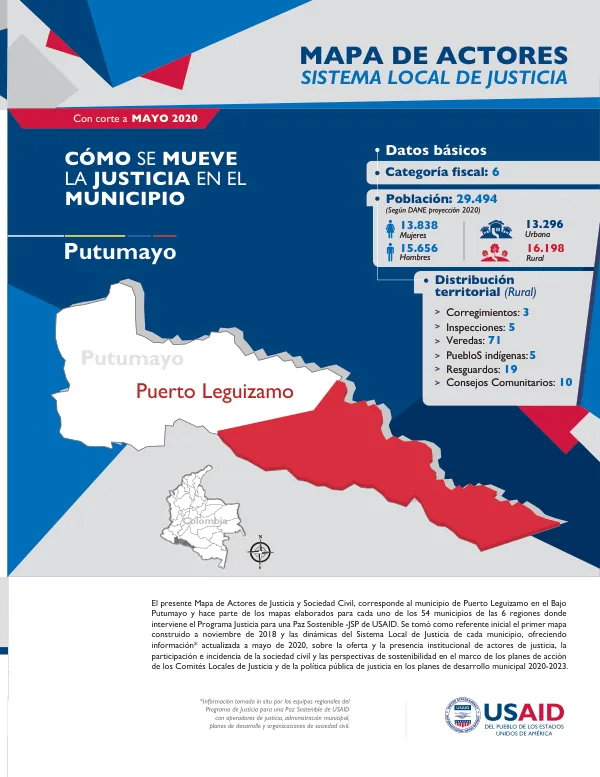
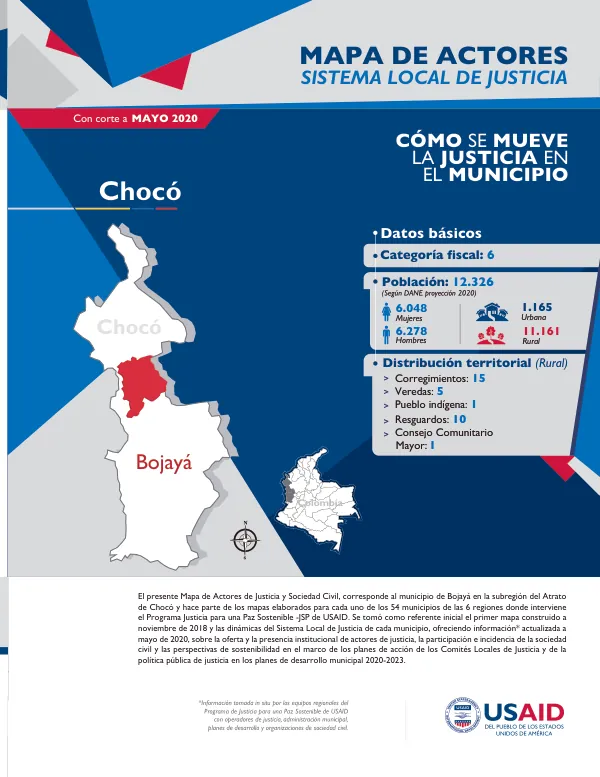
The initiative was led by the Agencia Colombiana para la Reintegración (ACR) and was supported by the USAID. The project focused on the departments of Córdoba, Meta, and Cauca, with a total of 54 municipalities involved. The methodology used in the project was based on a participatory approach, involving the communities in the decision-making process. The project was divided into three phases: diagnosis, planning, and implementation. The diagnosis phase involved the collection of data and the identification of the needs and priorities of the communities. The planning phase involved the development of a plan of action and the allocation of resources. The implementation phase involved the execution of the plan and the monitoring of the progress. The project used a holistic approach, addressing the social, economic, and environmental aspects of the communities. The project included the provision of training and capacity-building programs for the communities, as well as the implementation of infrastructure projects, such as the construction of roads and bridges. The project also included the provision of economic support to the communities, through the creation of micro-enterprises and the provision of financial assistance. The project had a significant impact on the communities involved, with improvements in the social, economic, and environmental aspects of the communities. The project also contributed to the reconciliation process in Colombia, by promoting dialogue and understanding between the communities and the government. The project was evaluated through a midterm evaluation, which showed a 27% increase in household income among the project participants compared to the control group. The project was also evaluated through a final evaluation, which showed a significant improvement in the social, economic, and environmental aspects of the communities. The project was considered a success, and it was replicated in other regions of Colombia. The project also contributed to the development of a new approach to community development, which emphasized the importance of participation and ownership by the communities. The project was also recognized for its innovative approach to community development, which included the use of a participatory approach, a holistic approach, and a focus on the needs and priorities of the communities. The project was also recognized for its impact on the reconciliation process in Colombia, and for its contribution to the development of a new approach to community development. The project was implemented by a team of experts from the ACR, who worked closely with the communities and the government to ensure the success of the project. The team included experts in community development, social work, and economics, who worked together to design and implement the project. The team also included experts in monitoring and evaluation, who were responsible for evaluating the progress of the project and identifying areas for improvement. The project was funded by the USAID, which provided financial support to the project. The project was also supported by other donors, including the European Union and the World Bank. The project was implemented in partnership with other organizations, including the OIM and the OS, which provided technical assistance and support to the project. The project had a significant impact on the communities involved, and it contributed to the reconciliation process in Colombia. The project also contributed to the development of a new approach to community development, which emphasized the importance of participation and ownership by the communities. The project was considered a success, and it was replicated in other regions of Colombia.
Related documents