UNITED STATES DEPARTMENT OF AGRICULTURE
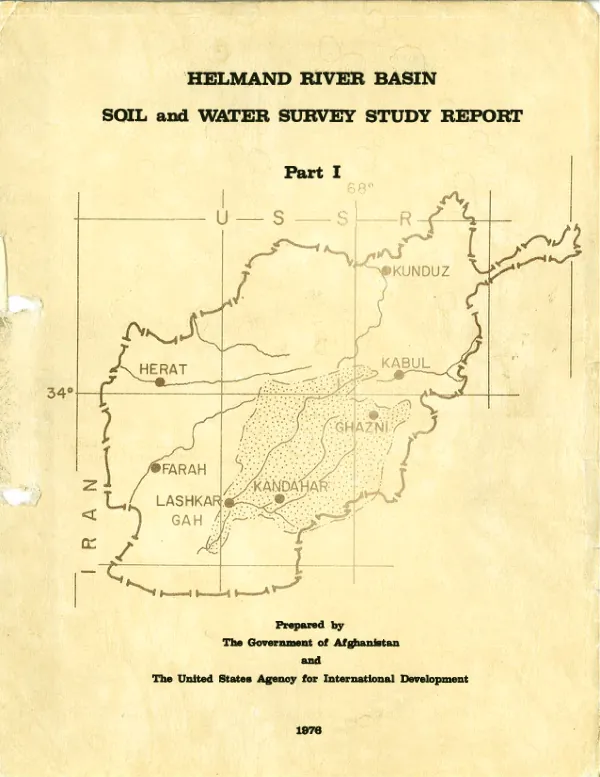
RELMAND RIVER BASIN SOIL AND WATER SURVEY STUDY REPORT I U-S
The Helmand River Basin is a significant geographic region in Afghanistan, characterized by its arid climate and limited water resources.
210 pages
Sign in to readA free account is required to download.
Abstract
The basin is approximately 300 kilometers long and 100 kilometers wide, covering an area of approximately 46,000 square kilometers. The region is bounded by the Hindu Kush mountain range to the north and the Sulaiman Mountains to the south. Soil resources in the Helmand River Basin are primarily composed of alluvial and aeolian deposits, with varying levels of salinity and alkalinity. The region's soil is generally classified as sandy loam to clay loam, with a pH range of 7.5 to 9.5. The soil's physical properties, such as texture and structure, are influenced by the region's arid climate and limited vegetation cover. Water resources in the Helmand River Basin are scarce, with an average annual rainfall of approximately 100 millimeters. The region's primary water source is the Helmand River, which originates in the Hindu Kush mountain range and flows through the basin before emptying into the Arghandab River. The river's water quality is affected by the region's high levels of salinity and alkalinity, as well as the presence of agricultural runoff and industrial effluent. Land use and management practices in the Helmand River Basin are primarily focused on agriculture, with the majority of the region's land dedicated to crop production. The region's primary crops include wheat, barley, and cotton, with some areas also used for livestock grazing. However, the region's limited water resources and high levels of salinity and alkalinity in the soil have led to decreased crop yields and reduced agricultural productivity. Several projects have been implemented in the Helmand River Basin to address the region's water and soil management challenges. These projects include the construction of irrigation canals and dams, as well as the implementation of soil conservation and water harvesting practices. However, these efforts have been hindered by the region's limited infrastructure and lack of technical expertise. The Helmand River Basin is a critical region for Afghanistan's agricultural production and food security. However, the region's limited water resources and soil degradation have significant implications for the country's economic development and food security. Addressing these challenges will require a comprehensive approach that incorporates soil conservation, water harvesting, and agricultural management practices, as well as investments in infrastructure and technical expertise.