USAID DEC
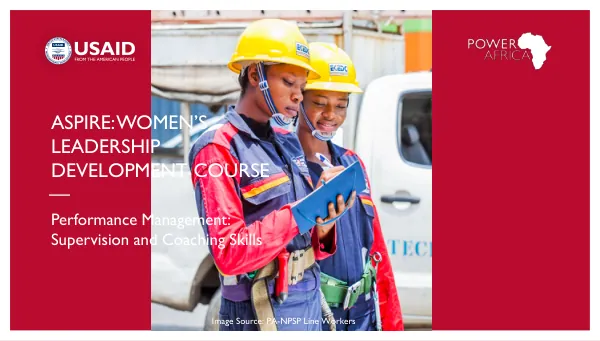
Risk Based Supervision Facilitation and Interviewing Skills
Face-to-face interviews are a type of interview where the interviewer and respondent are in the same physical location.
17 pages
Sign in to readA free account is required to download.
Abstract
This type of interview is often used when complex questions need to be explored, sensitive topics require sensitivity, respondents are experts in their companies, or there is ample time to conduct the interview. The advantages of face-to-face interviews include the ability to clarify questions, gain insights, and obtain ideas from respondents to ask further questions. Additionally, face-to-face interviews allow the interviewer to pick up on non-verbal cues and adjust the tone and style of questions to match the conversational style of the respondent. However, face-to-face interviews also have some disadvantages. Respondents may be distracted by taking notes, and they may doubt that their answers will remain confidential. Furthermore, face-to-face interviews can be time-consuming. Telephone interviews are a type of interview where the interviewer and respondent are in different locations, and communication occurs over the phone. This type of interview is often used when gathering non-sensitive answers to specific and tightly focused questions, or when gathering numerical data. Telephone interviews are also suitable when most responses can be anticipated. The advantages of telephone interviews include the ability to gather specific and focused information, and to obtain numerical data. Telephone interviews are also a convenient option when respondents are in different locations. However, the interviewer should be aware that respondents may be distracted or have limited time to answer questions.