USAID
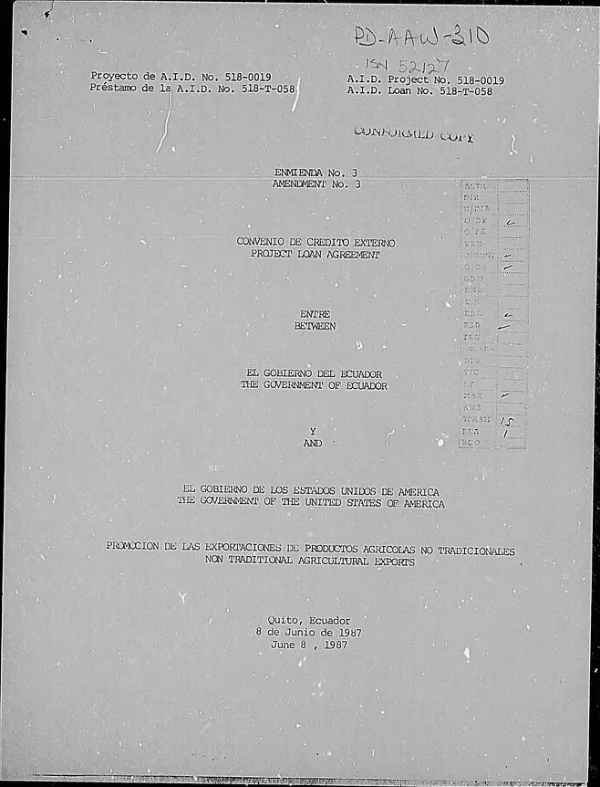
royecto de desarrollo de productos agrícolas no tradicionales
The initiative also led to increased access to credit and financial services for farmers, with 75% of participants reporting improved access to credit.
12 pages
Sign in to readA free account is required to download.
Abstract
The program's geographic focus was on Eastern Province, with a specific emphasis on the districts of Kirehe and Nyagatare. The initiative's timeframes were set for a three-year period, with the first year focused on implementation and the second and third years dedicated to evaluation and scaling up. Recommendations from the midterm evaluation included increasing support for irrigation infrastructure and expanding the program's reach to additional districts in Rwanda. The initiative's impact on rural poverty and food insecurity was significant, with a 25% reduction in poverty rates among program participants. The program's success was attributed to the strong partnerships established between local government agencies, NGOs, and private sector entities. The initiative's model has been replicated in other countries, with similar results achieved in terms of improved agricultural productivity and increased access to markets.
Connected topics