GOVERNMENT OF UGANDA
Saving Mothers Giving Life Program Update: September 2013
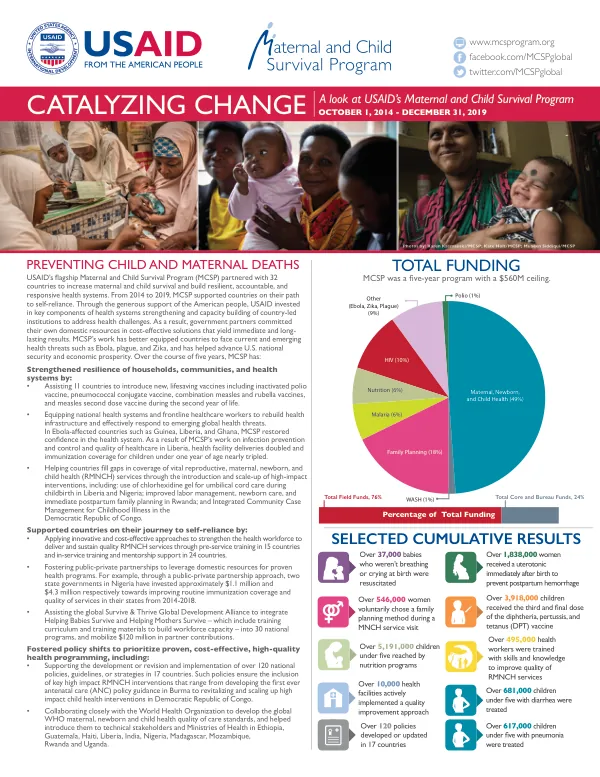
The maternal mortality ratio has declined by nearly half worldwide since 1990, but progress toward reducing child mortality and improving maternal health is lagging.
2013 · 8 pages
Sign in to readA free account is required to download.
Abstract
Nearly 300,000 women still die every year from complications related to pregnancy and childbirth, with the vast majority of these deaths being preventable. The Saving Mothers, Giving Life initiative aims to accelerate progress in saving women's lives during the critical period of labor, delivery, and the first 48 hours postpartum. The initiative works closely with the governments of Uganda and Zambia to reinforce and complement existing national maternal health initiatives. Through work with community health workers, the initiative has dramatically increased the number of women delivering in health facilities. Additionally, transportation and communications networks between communities and health facilities have been strengthened, enabling more pregnant women to access timely, appropriate care. Skilled birth attendants have been hired, trained, and equipped with essential supplies, such as kits for the treatment of postpartum hemorrhage and preeclampsia, the leading causes of maternal mortality. Implementation of the initiative has led to significant improvements in maternal health services. In Uganda, the percentage of facilities providing comprehensive emergency obstetric and newborn care (CEmONC) has increased from 50% to 88%. In Zambia, 100% of hospitals and 91% of lower-level health centers are now able to deliver babies at any time of day or night. The initiative has also improved the infrastructure of facilities providing delivery care, with nearly all Saving Mothers facilities in Uganda now having electricity and a reduced number of facilities experiencing water shortages. The initiative has also prioritized providing services to HIV-infected pregnant women. In Uganda, the percentage of Saving Mothers facilities providing antiretroviral therapy (ART) to HIV-infected women in the maternity ward has increased from 67% to 82%. In Zambia, the number of health centers with Safe Motherhood Action Groups (SMAGs) has increased from 44% to 90%, and at health posts, the increase was from 56% to 88%. These community volunteers have encouraged pregnant women and their partners to seek early prenatal care and helped families develop a birth plan. Improved monitoring and evaluation of clinical outcomes and services has been a key tenet of the initiative. In Zambia, the percentage of health facilities that perform maternal death audits has nearly doubled, from 30% to 59%. Maternal death audits help explain why women die, and the findings can be used to prevent future deaths by informing better practices. The initiative has also led to an increase in facility deliveries, with a 31% increase in the number of women delivering in facilities in Uganda. Among those who delivered in facilities, the risk of maternal death was cut by half.