USAID DEC
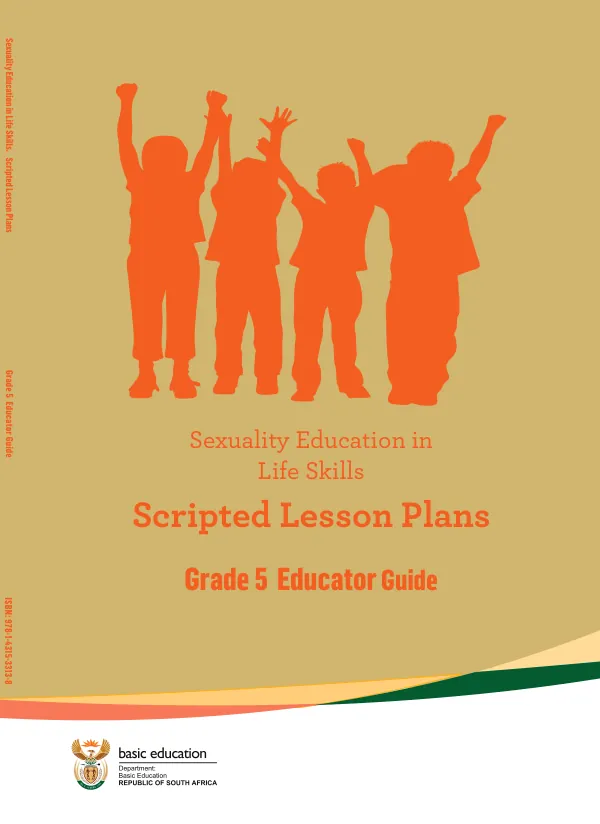
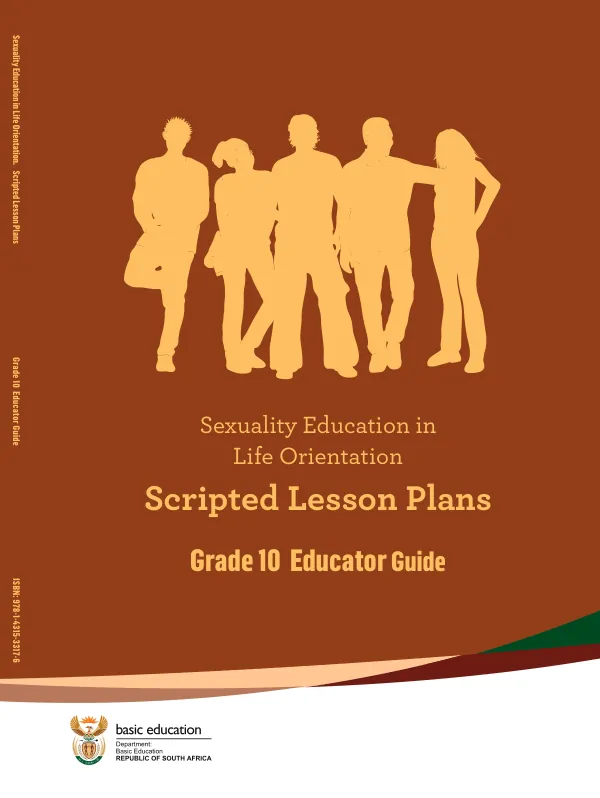
Sexuality Education in Life Orientation: Scripted Lesson Plans Educator Guide: Grade 10
Sign inCENTER FOR EDUCATIONAL DEVELOPMENT
Sexuality Education in Life Orientation: Scripted Lesson Plans Educator Guide: Grade 10
The Department of Basic Education (DBE) has been offering HIV prevention and Sexuality Education (SE) through the Life Orientation (LO) curriculum since 2000.
2019 · 226 pages
Sign in to readA free account is required to download.
Abstract
However, high rates of learner pregnancy and HIV infection indicate that there has been no change in the behavior of learners, and many educators feel uncomfortable teaching sexuality education. In 2011, the DBE initiated a process to strengthen its SE programme by reviewing the LO curriculum against International Technical Guidance on Sexuality Education (ITGSE) and conducting a meta-analysis of characteristics of effective sexuality education programmes internationally. The DBE has developed Scripted Lesson Plans (SLPs) for Grades 4 to 12 through a collaborative and consultative process, including a writing team of curriculum and sexuality education experts, as well as a review team from the DBE and provincial structures. The SLPs are designed to assist educators to teach SE within the CAPS Life Skills and Life Orientation curricula in the classroom. This will be complemented by appropriate Learning and Teaching Support Material (LTSM) and teacher training and development programmes to facilitate optimum teaching and learning. The DBE strongly advocates abstinence among young people, as the first defence against teenage pregnancies and sexually transmitted diseases. Learners are encouraged to delay engaging in sexual activities. In addition, the Basic Education Sector is committed towards contributing to the prevention and management of HIV, sexually transmitted illnesses (STIs), and Tuberculosis (TB) by ensuring that learners, educators, officials, and parents are informed and equipped to decrease risky sexual behavior and gender-based violence (GBV) among young people. The DBE is grateful to the United States Agency for International Development (USAID) for providing the financial support that made the development of this guide and the related SLPs possible. The guide is intended to assist educators with the provision of content, effective teaching methods, and tools for measuring what learners have absorbed. This guide will ensure that engagement with learners on SE is age-appropriate and relevant to each grade. Young people face many pressures and risks that are different from the risks adults faced when they were young. Risks such as HIV and other infections and early and unintended pregnancy come to mind first. But there are many unhealthy pressures affecting relationships and influences from many sources. The difficult facts highlight the need for effective sexual and reproductive health education that will equip young people to deal with today's challenges. HIV is everyone's problem, and no matter where we live in South Africa, everyone is affected or at risk in some way. Working together to break the silence, show compassion, support those on treatment, and address risks, are the only way to stop the epidemic. HIV prevalence varies by province, with the highest rates found in the Eastern Cape and KwaZulu-Natal. Girls are getting infected with HIV at higher rates than boys, particularly in relationships between older men and young women/girls. Teen pregnancy is common in South Africa, and can interfere with the ability of young people to achieve their goals. Among youth in school who said they had engaged in sexual activity, pregnancy rates are high. The age of first sex matters, as the earlier a young person has sex, the greater their risk of HIV infection and unintended pregnancy. Some sexual relationships are voluntary, some are not, and forcing anyone to have sex is wrong and is considered a crime. The DBE's Policy on HIV, STIs, and TB (2017) addresses HIV, STIs, TB, and teenage pregnancy as major barriers to achieving equality in education. HIV and TB have reached epidemic levels in South Africa, and the DBE is committed to contributing to the prevention and management of these diseases. The DBE has developed SLPs to assist educators in teaching SE within the CAPS Life Skills and Life Orientation curricula, and this guide is intended to assist educators with the provision of content, effective teaching methods, and tools for measuring what learners have absorbed.