USAID DEC
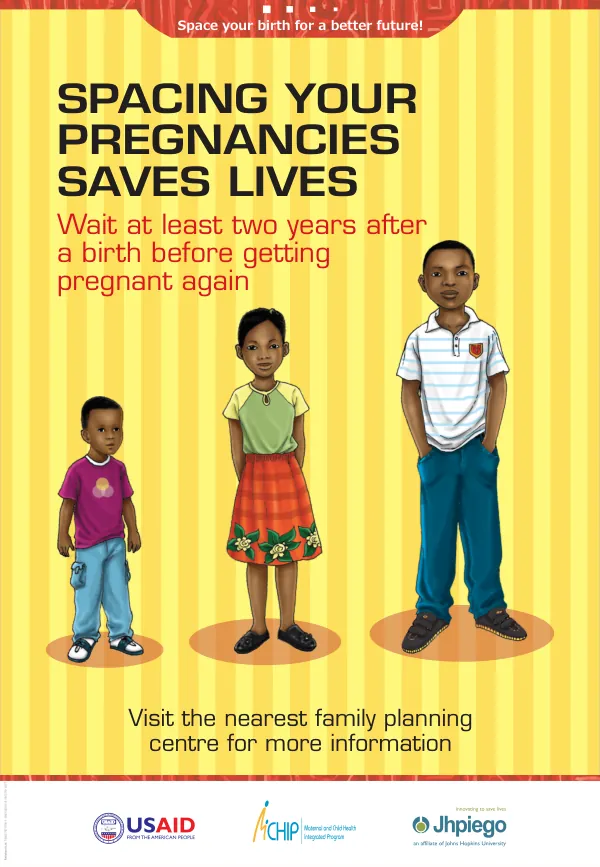
Spacing Your Pregnancies Saves Lives
Family planning is a crucial aspect of reproductive health, and spacing pregnancies is essential for the well-being of both mothers and children.
1 pages
Sign in to readA free account is required to download.
Abstract
The World Health Organization recommends waiting at least two years after a birth before getting pregnant again to allow for adequate recovery time and to reduce the risk of complications. Research has shown that spacing pregnancies can have numerous benefits, including improved maternal and infant health outcomes. Women who space their pregnancies are less likely to experience complications during pregnancy and childbirth, such as preterm labor, low birth weight, and maternal mortality. Additionally, spacing pregnancies can help to reduce the risk of infant mortality and improve child health outcomes. The benefits of spacing pregnancies are particularly pronounced in low-resource settings, where access to healthcare may be limited. In these contexts, spacing pregnancies can help to reduce the burden on healthcare systems and improve overall health outcomes. Furthermore, spacing pregnancies can also have economic benefits, as it allows women to complete their education, pursue employment opportunities, and contribute to their families' economic well-being. The recommended waiting period of at least two years after a birth before getting pregnant again is based on a range of factors, including the mother's age, health status, and previous pregnancy history. However, this waiting period can vary depending on individual circumstances, and women should consult with a healthcare provider to determine the best spacing strategy for their specific needs. In addition to the health benefits, spacing pregnancies can also have social and economic benefits. Women who space their pregnancies are more likely to have better educational and economic outcomes, which can have a positive impact on their families and communities. Furthermore, spacing pregnancies can also help to reduce the risk of child marriage and early childbearing, which are significant development challenges in many parts of the world. Overall, spacing pregnancies is a critical aspect of reproductive health, and it is essential for women to have access to accurate information and healthcare services to make informed decisions about their reproductive health. By spacing pregnancies, women can improve their health outcomes, reduce the risk of complications, and contribute to the well-being of their families and communities.
Related documents