PENNSYLVANIA STATE UNIVERSITY
Strengthening Informal Indigenous Seed Systems in Southeast Asia
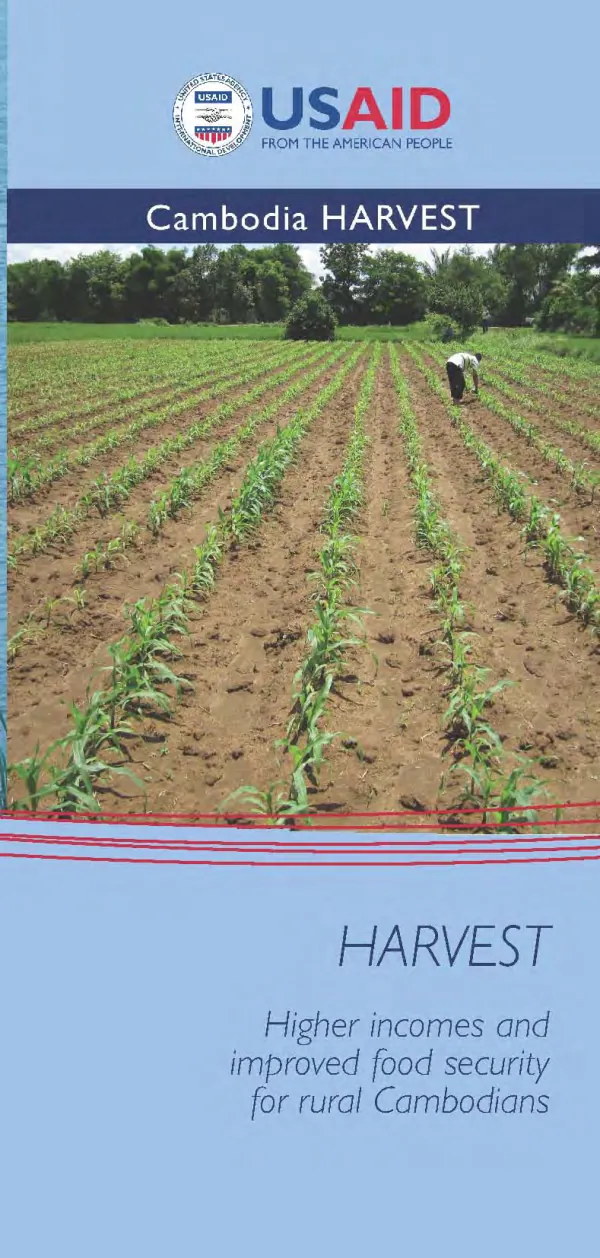
The agricultural development initiative in Southeast Asia, specifically in northern Thailand and Cambodia, aimed to strengthen informal indigenous seed systems.
2011 · 30 pages
Sign in to readA free account is required to download.
Abstract
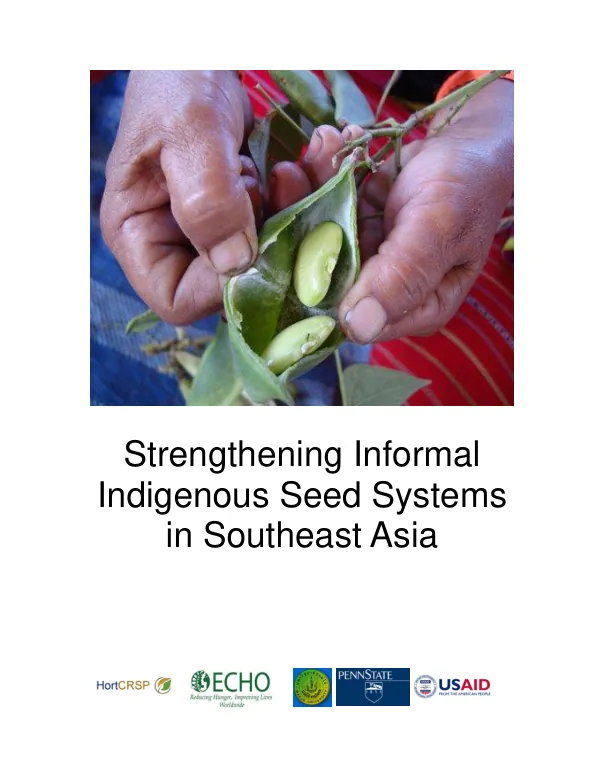
This project was initiated in 2010 with support from USAID's Horticulture Collaborative Research Support Program (Hort CRSP), Educational Concerns for Hunger Organization's Asia Impact Center (ECHO Asia), Maejo University, Thailand, and the Pennsylvania State University (Penn State). The project's primary goal was to characterize the informal seed system, including the documentation of indigenous annual and perennial vegetable crops, seed germination and vigor, and seed pathways and "germplasm gatekeepers." The study sites were located in the Chiang Mai and Chiang Rai Provinces of northern Thailand and the Svay Riang Province of southwest Cambodia. The Thai hilltribe groups, including the Palaung, Lahu, and Akha ethnic groups, shared similar recent histories and livelihoods, despite language and religious differences. In contrast, the population of Svay Riang study area in Cambodia was entirely Khmer. The communities in the two Thai survey sites were established by migrants from Myanmar, while the Khmer survey collaborators in the Svay Riang area were native to the region. The project's approach involved one month of data collection on farmer seed practices, collection and germination testing of seeds, and documentation of local knowledge surrounding the seed system. Household interviews and participatory activities were conducted to gather information on seed saving, underutilized species, and informal seed trading. Seed fairs were also organized to facilitate the exchange and preservation of important genetic resources. The ECHO Asia Seed Bank, located in Mae Ai District, northern Thailand, served as a repository of over 170 master accessions of locally important species. The findings of the project highlighted the importance of informal seed systems in Southeast Asia, particularly among the hilltribe communities of northern Thailand and Khmer farmers of Cambodia. The study identified a rich diversity of underutilized species, including indigenous annual and perennial vegetable crops, which were critical components of resource-poor farming systems. The project also documented the histories of seed saving, gender roles in the informal seed system, and informal seed trading practices. The project's conclusions emphasized the need to improve local stakeholder capacity, access to information, technology, and high-quality seed to optimize the informal seed systems. The study recommended the facilitation of the exchange, preservation, and dissemination of important genetic resources identified during farmer community surveys. The project's findings and recommendations aimed to contribute to the conservation, improvement, and dissemination of local species, and to support the development of sustainable agriculture practices in Southeast Asia.