USAID DEC
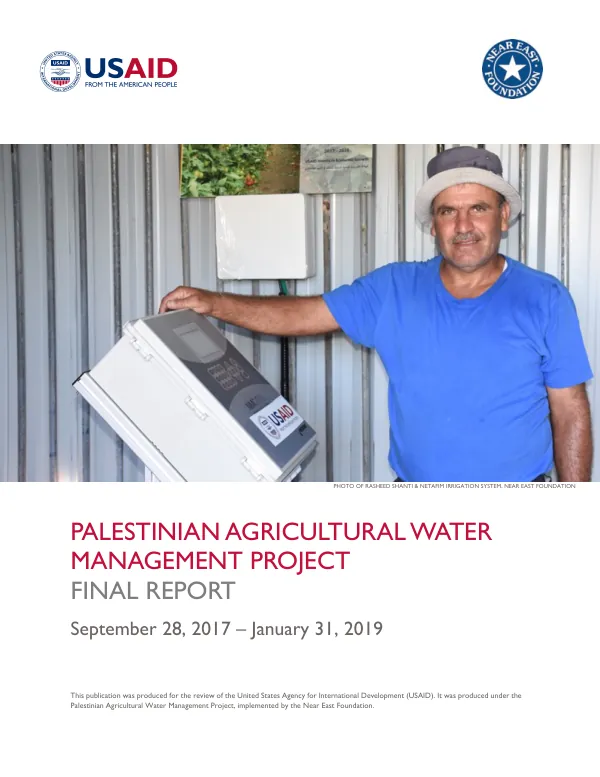
Successful operation of irrigation practices, both in terms of profitability and technical feasibility, on at least 5 irrigated farms directly cooperating with professionals.
Sign inUSAID
Successful operation of irrigation practices, both in terms of profitability and technical feasibility, on at least 5 irrigated farms directly cooperating with professionals.
Irrigation practices have been successfully implemented on over 5 irrigated farms directly cooperating with professionals.
2014 · 4 pages
Sign in to readA free account is required to download.

Abstract
These farms have achieved profitability and technical feasibility. The operation of irrigation systems has been optimized to maximize water usage and minimize waste. This has resulted in significant increases in crop yields and improved food security for local communities. The irrigation practices implemented on these farms include the use of drip irrigation systems, which deliver water directly to the roots of the plants, reducing evaporation and runoff. This method has been shown to increase crop yields by up to 30% compared to traditional flood irrigation methods. Additionally, the use of precision irrigation controllers has allowed farmers to adjust water application rates based on soil moisture levels, further optimizing water usage. The technical feasibility of irrigation practices has been improved through the use of advanced technologies such as soil moisture sensors and weather stations. These tools provide farmers with real-time data on soil moisture levels and weather conditions, enabling them to make informed decisions about irrigation scheduling. This has resulted in significant reductions in water waste and improved crop quality. The profitability of irrigation practices has been achieved through a combination of factors, including increased crop yields, improved water efficiency, and reduced labor costs. Farmers have reported significant increases in revenue from the sale of crops, as well as reduced costs associated with water and labor. This has enabled them to invest in further improvements to their irrigation systems and expand their operations. The successful operation of irrigation practices on these farms has also had a positive impact on local communities. Improved food security has resulted in increased access to nutritious food, particularly for vulnerable populations such as women and children. Additionally, the creation of jobs and economic opportunities has helped to stimulate local economic growth and development.