USAID DEC
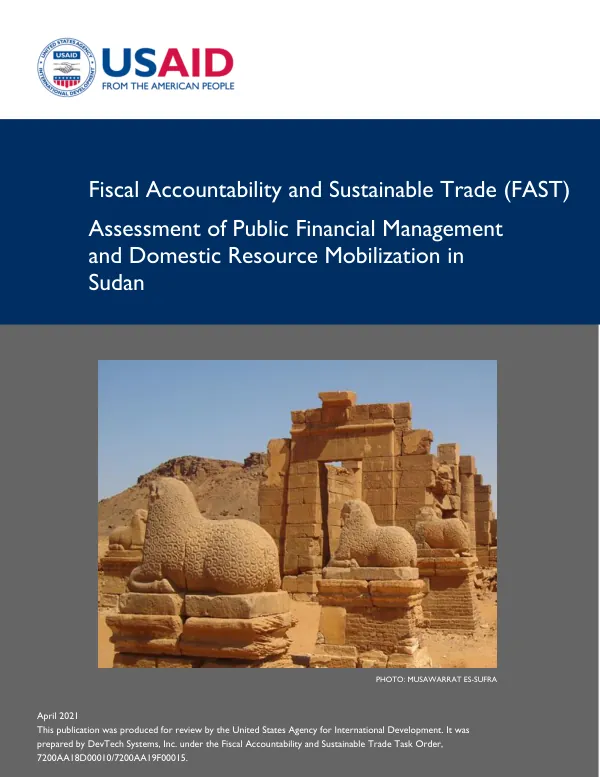
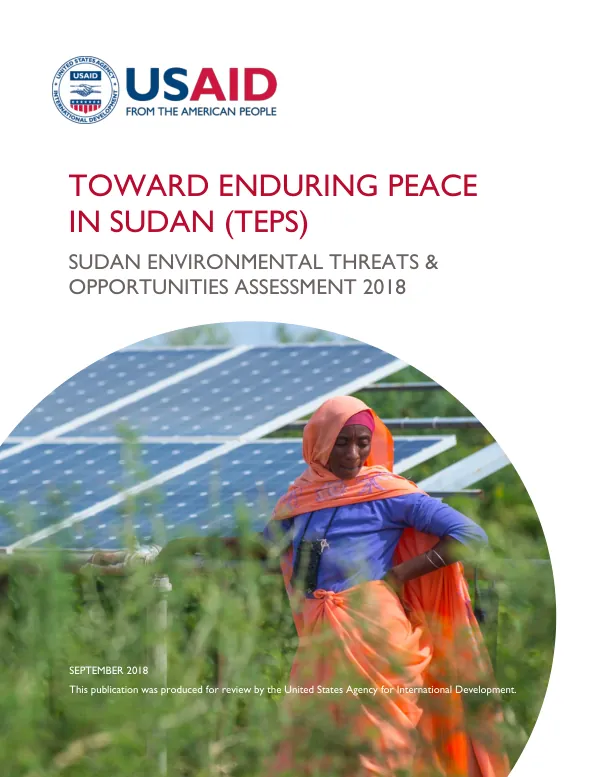
Sudan Environmental Threats & Opportunities Assessment 2018 | Towards Enduring Peace in Sudan (TEPS)
Sign inUSAID
Sudan Environmental Threats & Opportunities Assessment 2018 | Towards Enduring Peace in Sudan (TEPS)
The agricultural development initiative in Sudan began in 2018 with funding from USAID's Food Security Program.
2018 · 60 pages
Sign in to readA free account is required to download.
Abstract
Initial assessments conducted in various regions identified soil degradation, limited market access, and biodiversity loss as primary challenges. The country's biophysical setting is characterized by diverse ecosystems, including tropical forests, savannas, and deserts. Major ecosystem types include the Nile River Basin, the Red Sea Hills, and the Darfur region. Implementation focused on three key interventions: conservation of biodiversity, sustainable agriculture practices, and market linkage facilitation. The assessment identified several drivers of threats to biodiversity, including deforestation, overgrazing, and climate change. Direct threats to biodiversity include habitat destruction, pollution, and overexploitation of natural resources. The assessment also highlighted the importance of ecosystem goods and services, including carbon sequestration, water filtration, and soil conservation. The report emphasizes the need for a comprehensive conservation strategy that addresses the drivers of threats to biodiversity. Recommendations include strengthening national laws and policies, enhancing international cooperation, and promoting community-based conservation initiatives. The assessment also highlights the importance of involving local communities in conservation efforts, particularly in areas where they have traditional knowledge and practices that can contribute to biodiversity conservation. The report concludes that the mission meets some of the identified actions needed to conserve biodiversity, but more efforts are required to address the drivers of threats. Recommendations based on actions necessary to conserve biodiversity include strengthening the national biodiversity resource mobilization plan, enhancing protected areas management, and promoting sustainable land-use practices. Other opportunities for conservation include promoting ecotourism, supporting community-based conservation initiatives, and enhancing international cooperation. The assessment was conducted by Environmental Specialist Dr. Suad Badri under Toward Enduring Peace in Sudan (AID-667-C-14-00001), which is implemented by AECOM International Development. USAID/Sudan provided direction and support to conduct the desk study and surveys on several aspects of Sudan's biodiversity. The research team expressed its deep appreciation to all stakeholders, including ministers, universities, nongovernmental organizations, and research institutions in Sudan, who shared their knowledge and expertise to inform this assessment.
Related documents