USAID
Integrated Disease Surveillance and Response
The United States Agency for International Development (USAID) Bureau for Africa, Office of Sustainable Development, has been actively involved in various initiatives across several African countries.
14 pages
Sign in to readA free account is required to download.
Abstract
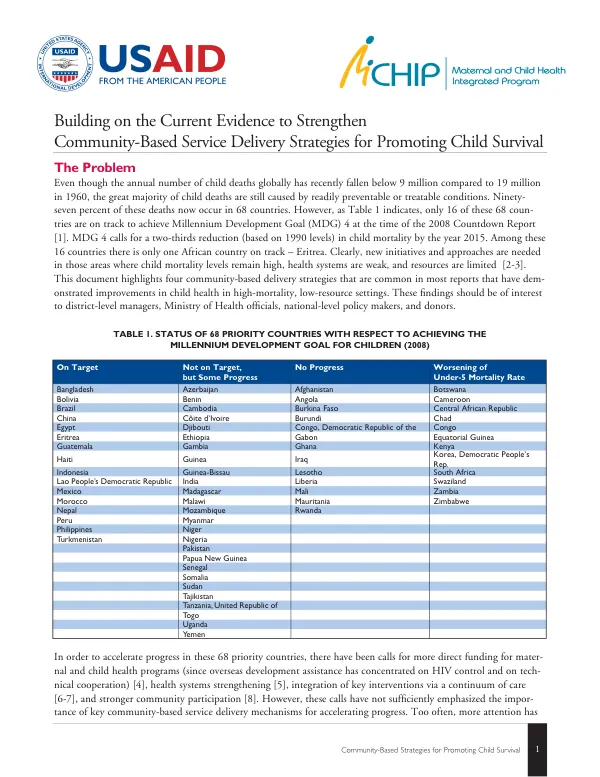
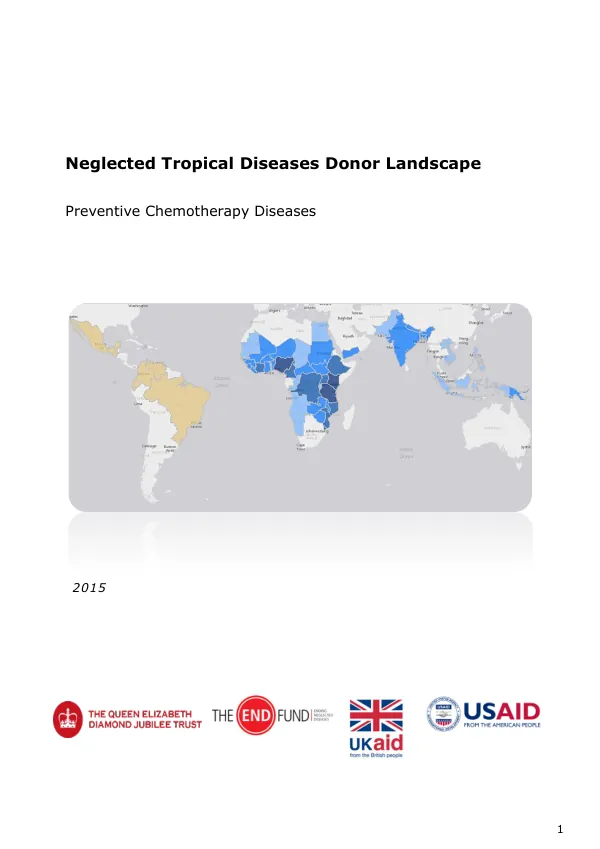
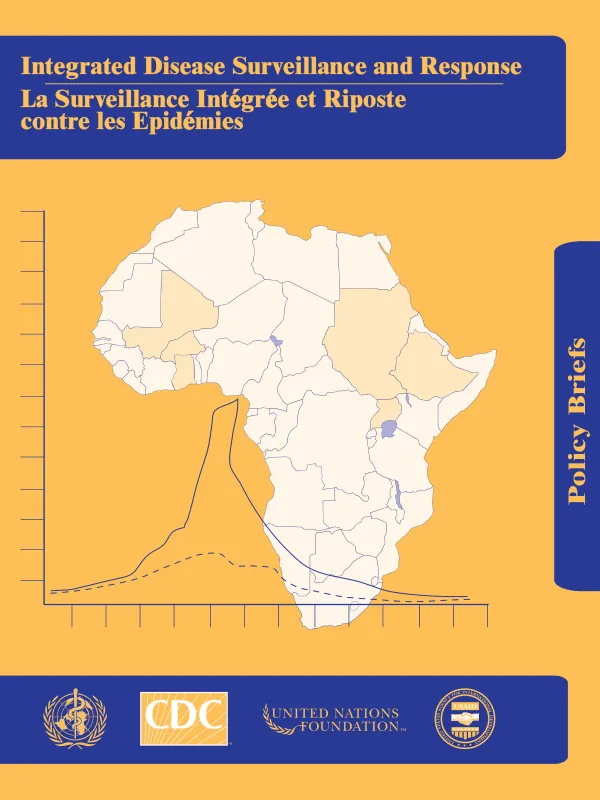
In Sudan, USAID has been working to strengthen the country's health systems, with a focus on integrated disease surveillance and response. This effort aims to improve the country's ability to detect and respond to disease outbreaks, ultimately reducing the risk of epidemics. La Surveillance Intégrée et Riposte contre les Epidémies (Integrated Disease Surveillance and Response) is a key component of USAID's health program in Sudan. This initiative involves the development of a robust disease surveillance system, which includes the collection and analysis of data on disease outbreaks, as well as the implementation of response strategies to mitigate the impact of these outbreaks. The program also focuses on building the capacity of Sudanese health officials to manage and respond to disease outbreaks. In Mali, USAID has been working to improve the country's health systems, with a focus on integrated disease surveillance and response. Similar to the program in Sudan, this initiative aims to strengthen the country's ability to detect and respond to disease outbreaks, ultimately reducing the risk of epidemics. The program involves the development of a robust disease surveillance system, as well as the implementation of response strategies to mitigate the impact of disease outbreaks. In Burkina Faso, Ghana, and Uganda, USAID has been working to improve the country's health systems, with a focus on integrated disease surveillance and response. These initiatives aim to strengthen the country's ability to detect and respond to disease outbreaks, ultimately reducing the risk of epidemics. The programs involve the development of robust disease surveillance systems, as well as the implementation of response strategies to mitigate the impact of disease outbreaks. The implementation of these initiatives has involved the development of robust disease surveillance systems, as well as the implementation of response strategies to mitigate the impact of disease outbreaks. The programs have also focused on building the capacity of local health officials to manage and respond to disease outbreaks. The results of these initiatives have been positive, with a reduction in the number of disease outbreaks and a decrease in the number of deaths attributed to these outbreaks. Overall, USAID's efforts in Sudan, Mali, Burkina Faso, Ghana, Uganda, and Ethiopia have been focused on improving the country's health systems, with a focus on integrated disease surveillance and response. These initiatives have aimed to strengthen the country's ability to detect and respond to disease outbreaks, ultimately reducing the risk of epidemics. The results of these initiatives have been positive, with a reduction in the number of disease outbreaks and a decrease in the number of deaths attributed to these outbreaks.
Related documents