MINISTRY OF AGRICULTURE
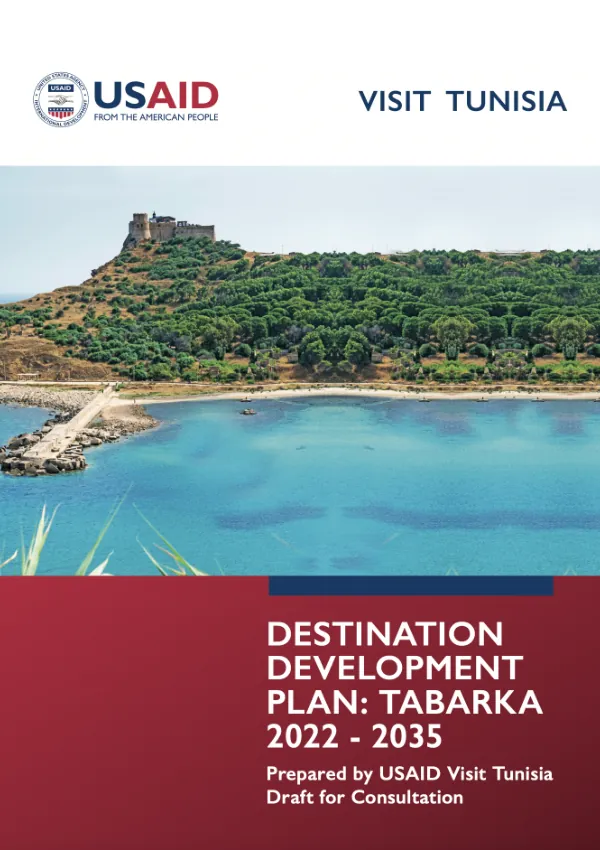
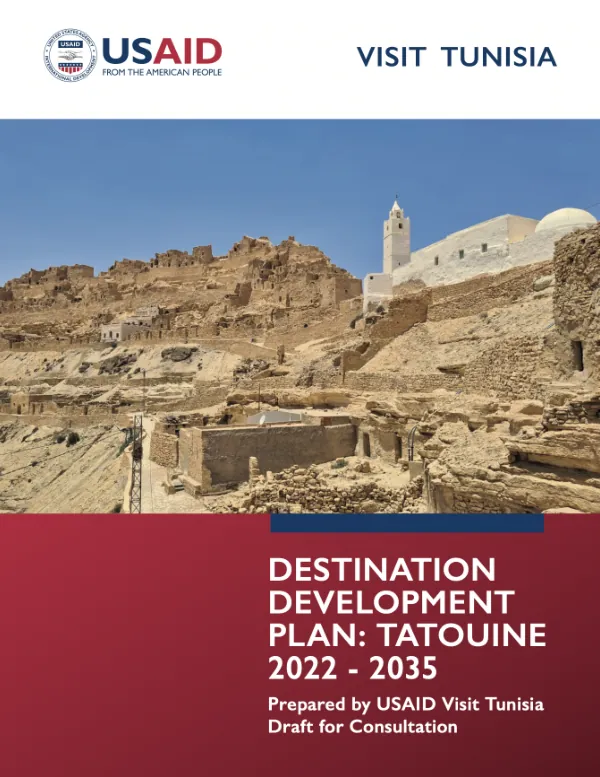
Tataouine-DDP Updated Version-2
The Governorate of Tataouine is located in the southwest of the Tunisian Republic, 530 kilometers southeast of Tunis.
2023 · 61 pages
Sign in to readA free account is required to download.
Abstract
It is bordered in the north by the Medenine, Gabes, and West Kebili Governorates, and in the south by Algeria and Libya. Tataouine is a Berber name that means "sources of water." The governorate covers an area of 38,889 square kilometers and has 8 delegations, 7 communes, and 64 sectors. The region has some of the oldest natural relics, with geological studies recently uncovering various dinosaur fossils in the mountainous regions and in the village of Ksar El Haddada. The main point of interest in the city is the colorful souk, but the city is usually used as a jumping off point to see the ksours and the ancestral villages. The Tataouine region has a wealth of natural landscapes, containing 38% of the 5.5 million hectares of natural rangelands in Tunisia. However, the region's rangelands are considerably degraded, and the desertification of the region has intensified. The region's natural attractions include the ksours, ancestral villages, and the colorful souk. The ksours are ancient fortified villages that date back to the 16th century, while the ancestral villages are remnants of the Berber culture. The colorful souk is a bustling marketplace where visitors can find traditional handicrafts, clothing, and souvenirs. The region's natural landscapes are also home to various wildlife, including gazelles, oryx, and Barbary sheep. The region's natural beauty and rich cultural heritage make it an attractive destination for tourists. However, the region's tourism industry faces several challenges, including limited infrastructure, lack of marketing, and competition from other destinations in Tunisia. The Destination Development Plan (DDP) aims to address these challenges and promote the development of the tourism industry in the Tataouine region. The plan was developed through a collaborative effort between public and private sector stakeholders, including local government, tour and transport operators, accommodation providers, small business owners, and residents. The plan outlines a vision for the region's tourism industry, including the development of infrastructure, marketing, and product development. The plan also identifies key challenges and opportunities for the region's tourism industry, including the need to improve infrastructure, develop new products and experiences, and enhance the region's marketing and promotion efforts. The plan provides a framework for the development of the region's tourism industry, including the establishment of a destination management organization, the development of a marketing strategy, and the implementation of a product development plan. The DDP development process involved a dialogue with a wide range of stakeholders from local government, tour and transport operators, accommodation providers, small business owners, and residents across the Tataouine region. The process included roundtable discussions, desk research, and key stakeholder interviews. The plan was developed over a period of approximately 6 months and is designed to be used by the regional destination to advocate for themselves, the future of tourism, and infrastructure investments in the region. The plan's vision for the region's tourism industry is to create a sustainable and competitive destination that attracts tourists from around the world. The plan's objectives include the development of infrastructure, the enhancement of the region's marketing and promotion efforts, and the development of new products and experiences. The plan's action matrix provides a detailed outline of the steps that need to be taken to achieve these objectives, including the establishment of a destination management organization, the development of a marketing strategy, and the implementation of a product development plan. The success of the plan and its implementation will depend on several factors, including collaboration and communication among partners, implementation, effective tourism institutions and capacity, adequate funding, productive public-private partnerships, and monitoring and reporting of the plan. The plan's development and implementation will require the involvement of a wide range of stakeholders, including local government, tour and transport operators, accommodation providers, small business owners, and residents.