TETRA TECH
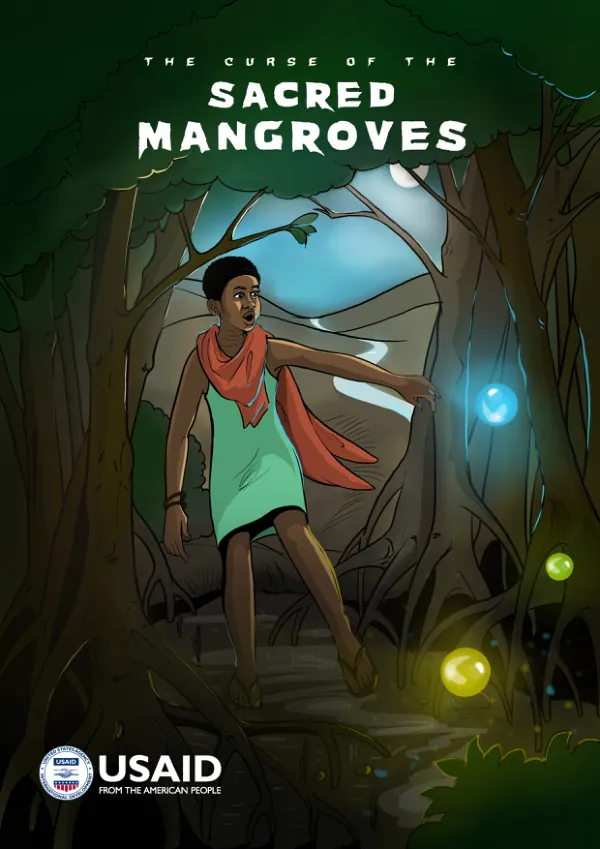
The Curse of the Sacred Mangroves
The West Africa Biodiversity and Climate Change (WA BiCC) program is a 5-year learning program funded by the United States Agency for International Development (USAID).
2020 · 16 pages
Sign in to readA free account is required to download.
Abstract
The program has a regional scope, focusing on West Africa, and works in targeted areas known as "Learning Landscapes" to generate knowledge that informs local, regional, and regional practices addressing climate change and biodiversity loss. WA BiCC collaborates with core regional partners, including the Economic Community of West African States, the Mano River Union, and the Abidjan Convention, as well as national and sub-national institutions, and local communities. The program aims to increase the capacity of institutions at all levels to achieve its three core objectives: combating wildlife trafficking, increasing coastal resilience to climate change, and reducing deforestation, forest degradation, and biodiversity loss. WA BiCC strives to address these challenges through a combination of research, capacity building, and knowledge sharing, with the ultimate goal of promoting sustainable development and environmental conservation in West Africa. The WA BiCC program is supported by the generous contributions of the American people through USAID. The contents of the program are the sole responsibility of its authors and do not necessarily reflect the views of USAID or the United States Government. The program's work is guided by a commitment to transparency, accountability, and accountability to the people and communities it serves. The program's work is focused on several key areas, including combating wildlife trafficking, increasing coastal resilience to climate change, and reducing deforestation, forest degradation, and biodiversity loss. WA BiCC works closely with local communities, national and sub-national institutions, and regional partners to develop and implement effective solutions to these challenges. The program's approach is centered on building the capacity of institutions and promoting sustainable development and environmental conservation in West Africa. The WA BiCC program has a strong focus on knowledge sharing and knowledge sharing is a key component of the program's work. The program works to share knowledge and best practices with local communities, national and sub-national institutions, and regional partners, with the goal of promoting sustainable development and environmental conservation in West Africa. The program's knowledge sharing efforts are guided by a commitment to transparency, accountability, and accountability to the people and communities it serves.