TEXAS A&M INTERNATIONAL UNIVERSITY
The Image of Success: A Year of Protests in Ethiopia
In Ethiopia, protests broke out in the nation's capital in 2016, following a year-long period of unrest.
2016 · 4 pages
Sign in to readA free account is required to download.
Abstract
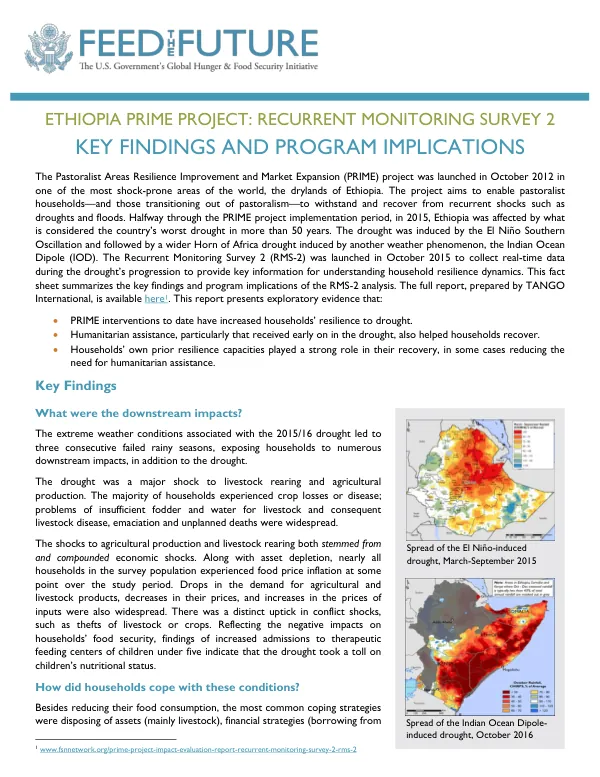
Thousands of Oromos, the largest ethnic group in Ethiopia, had been protesting nonstop since November 2015. The protests were initially triggered by the government's intention to expand the capital city's boundaries to the surrounding provinces of Oromia, as outlined in the "Addis Ababa Master Plan." This was followed by a brutal crackdown and the killing of more than 400 people, according to estimates from Human Rights Watch. The mass protests of the Amhara people erupted in July 2016 over the administration of the disputed Welkait territories. Most Welkaite people identify as ethnic Amharas, and the territories were historically administered by the Amhara region until the new TPLF-led government incorporated Welkaite's administration into the Tigray region in the early 1990s. The government's attempt to arrest the Welkaite Identity Committee members triggered the protest of Amharan people in many parts of the region. Both protests were triggered by land issues, but that is just the tip of the iceberg. While land alone is a serious matter in Ethiopian politics, insufficient attention is given to other core factors driving Ethiopia's recent unrest—factors that are far more complex. The Oromos are still protesting, long after the government announced dropping its "Master Plan" proposal. There is a lot of blame game in the Ethiopian political system between the powerful government and significantly weaker political parties. Even though the Ethiopian government blames opposition parties and diaspora activists for orchestrating the protests, the core factors of unrest are related to the continued grievances of Ethiopians over issues such as the corrupt political culture in-country, weak economy, broken justice system, inequality, and absence of rule of law over the past 25 years. Ethiopia is commonly represented by multilateral organizations as a good example of recovering from absolute poverty and proceeding towards promising prospects of development. However, quite a number of these projects, including what was hailed as Sub-Saharan Africa's first metro in Addis Ababa, gained most of their monetary funds from foreign sources. Double-digit economic growth reports from the last decade don't seem to reflect the actual situation of millions of Ethiopians on the ground. According to Akindola, failures to incorporate a concomitant level of social development into economic growth policies can lead to a proportional increase in poverty.
Related documents