ICF
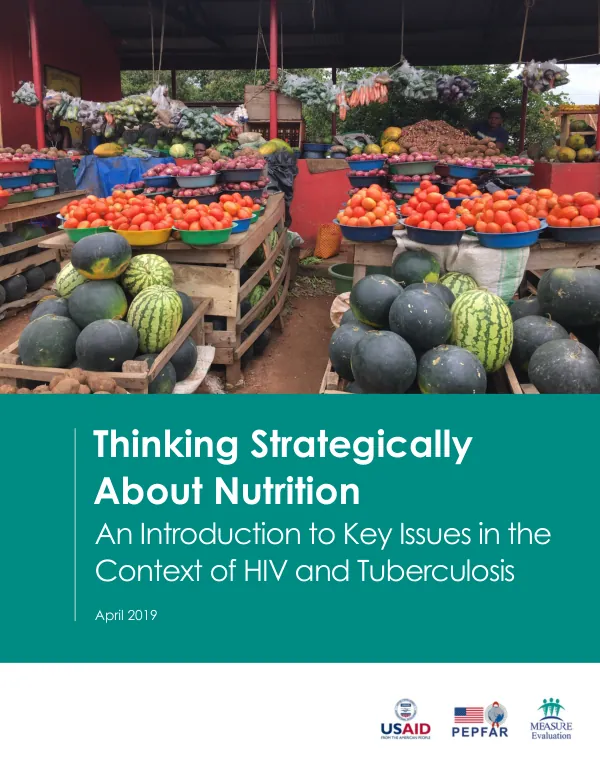
Thinking Strategically About Nutrition: Key Issues in the Context of HIV and TB
In the context of HIV and tuberculosis, nutrition plays a critical role in health outcomes.
2019 · 49 pages
Sign in to readA free account is required to download.
Abstract
The Essential Role of Nutrition in Health highlights the importance of nutrition in disease prevention and management. A strategic approach to designing, implementing, and sustaining an effective national nutrition program is essential for achieving optimal health outcomes. The Utility of a Strategic Approach emphasizes the need for a coordinated effort among stakeholders to address nutrition-related challenges. The Ability of Nutrition to Enhance Disease Programs: The HIV and TB Example illustrates the impact of nutrition on disease management. Strategic Issues Related to the Role of Nutrition in Care and Treatment for HIV and TB identify key challenges and opportunities for improving nutrition outcomes. The National Commitment to Nutrition is critical for ensuring that nutrition is integrated into national health strategies. A supportive political, policy, and legal environment is essential for building and maintaining a national commitment to nutrition. Sufficient implementation capacity is also necessary for effective nutrition programming. The HIV and TB component in the National Nutrition Strategy highlights the importance of integrating nutrition into disease management. Keys to Building and Maintaining a National Commitment to Nutrition emphasize the need for a consultative process and leverage points to drive nutrition investments. The Funding Landscape for nutrition programs is complex, with multiple sources of funding available. Sustainable Opportunities for nutrition investments require careful planning and coordination among stakeholders. Planning Tools for nutrition programming include the implementation matrix, leverage points, and tipping points. The Conclusion emphasizes the importance of strategic and sustainable nutrition investments for achieving optimal health outcomes. The Lives Saved Tool (LiST) is a key resource for estimating the impact of nutrition interventions on health outcomes. The Partnership for HIV-Free Survival (PHFS) is a global initiative that aims to reduce HIV transmission among children. The Community-Based Management of Acute Malnutrition (CMAM) approach is a critical component of nutrition programming in emergency settings. Exclusive breastfeeding (EBF) is a key strategy for reducing infant mortality and improving child health outcomes. The Ready-to-Use Therapeutic Food (RUTF) is a critical component of nutrition programming for children with severe acute malnutrition. The Prevention of Mother-to-Child Transmission (PMTCT) of HIV is a critical component of HIV prevention programming. The cluster of differentiation 4 (CD4) count is a key indicator of HIV disease progression. Antiretroviral treatment (ART) is a critical component of HIV management.