USAID DEC
Trade Africa: A U.S. Government Initiative to Boost Trade and Investment with and within Africa
Sign inUSAID
Trade Africa: A U.S. Government Initiative to Boost Trade and Investment with and within Africa
The Trade Africa initiative was announced by President Obama in 2013 to support greater U.S.-Africa trade and investment, regional integration, and trade competitiveness.
2015 · 2 pages
Sign in to readA free account is required to download.
Abstract
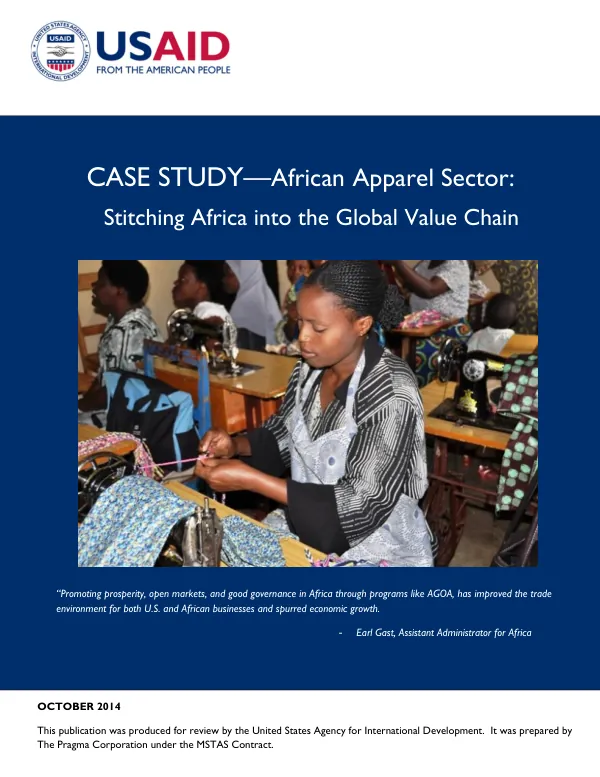
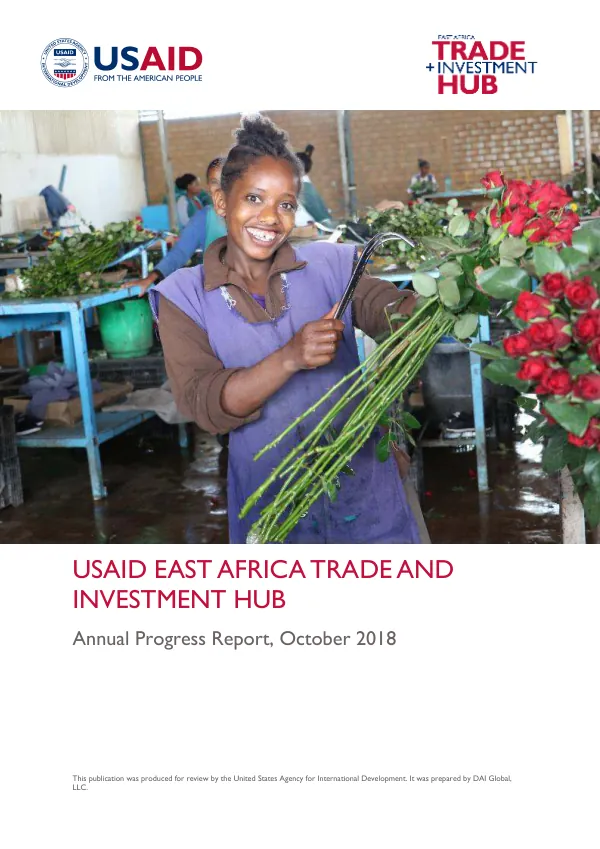
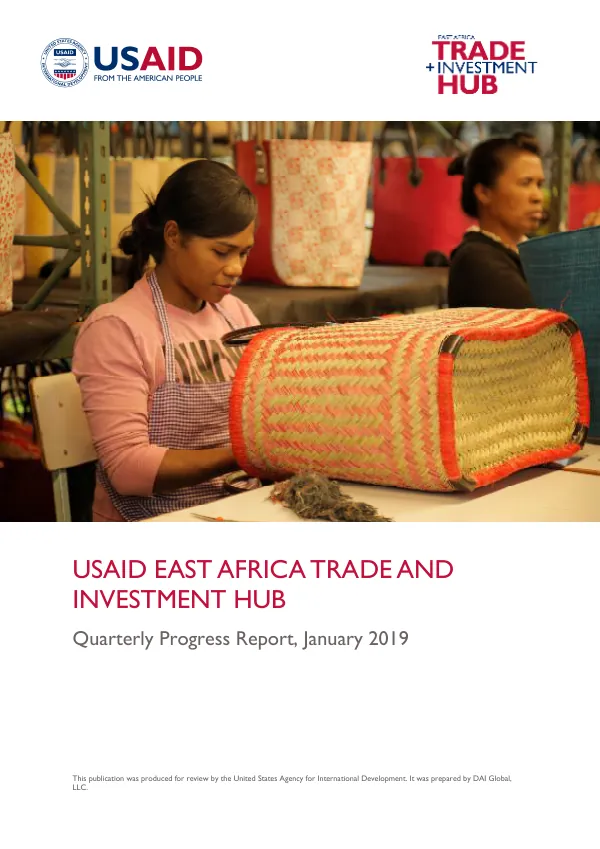
The initiative initially focused on the Partner States of the East African Community (EAC), including Burundi, Kenya, Rwanda, Tanzania, and Uganda. Trade Africa aims to improve market information, increase access to inputs, and reduce non-tariff barriers that hinder trade across borders. Key goals of the Trade Africa initiative include doubling intra-regional trade in the EAC, increasing EAC exports to the U.S. by 40%, facilitating $100 million of new investments in sectors critical to regional growth, reducing the average time to import or export a container from the ports of Mombasa or Dar es Salaam to land-linked EAC Partner States by 15%, and decreasing the average time a truck takes to transit selected borders by 30%. To achieve these goals, USAID collaborates with multiple U.S. Government agencies and engages in various activities, including improving EAC regional integration, advancing EAC Partner States' implementation of the WTO Agreement on Trade Facilitation, Sanitary and Phytosanitary Measures, and Technical Barriers to Trade. The East Africa Trade and Investment Hub, established by USAID, provides trade capacity building and investment facilitation assistance to support the growth of trade and investment in the region. The hub has facilitated over $80 million of exports under the African Growth and Opportunity Act (AGOA) in its first year of operation. Additionally, the "Doing Business in Africa" campaign aims to encourage U.S. businesses to take advantage of growing trade and investment opportunities in East Africa. The initiative also supports East African countries in better utilizing the AGOA trade preference to increase exports and create jobs. TradeMark East Africa has achieved an aggregate reduction of 8.7% in end-to-end corridor transport time, which accounts for nearly 40% of the value of a good by the time it reaches the market. The Mombasa Port Authority and Revenue Authority have also improved efficiency and transparency in clearance of goods, reducing the cost of doing business in East Africa. East Africa provides a reliable and cost-effective apparel sourcing destination for international companies looking to diversify and expand their portfolios.