USAID DEC
Untitled Document
The emergence of a new pathogen in the human population began with the introduction of a virus known as HIV.
8 pages
Sign in to readA free account is required to download.
Abstract
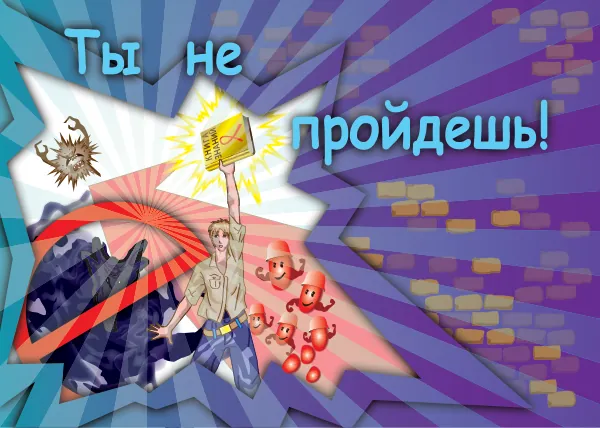
This virus, which stands for Human Immunodeficiency Virus, is a highly contagious and deadly disease that targets the human immune system. The primary mode of transmission for HIV is through the exchange of bodily fluids, including blood, semen, and breast milk. HIV is a master of disguise, capable of infiltrating the human body and masquerading as a normal cell. Once inside, the virus begins to replicate and destroy the body's immune cells, leaving the individual vulnerable to opportunistic infections and diseases. The virus can be transmitted through various means, including the sharing of needles, unprotected sex, and mother-to-child transmission during pregnancy or breastfeeding. The human immune system, also known as the body's defense mechanism, is the primary target of HIV. The virus attacks and destroys the CD4 cells, which are responsible for fighting off infections and diseases. As the virus continues to replicate and spread, the body's immune system becomes weakened, making it increasingly difficult to fight off infections and diseases. The consequences of HIV infection can be severe and long-lasting. If left untreated, the virus can progress to AIDS, or Acquired Immune Deficiency Syndrome, which is a condition characterized by a severely weakened immune system. Individuals with AIDS are highly susceptible to opportunistic infections and diseases, which can be life-threatening. Prevention and protection against HIV are crucial in preventing the spread of the disease. The use of condoms during sex, the use of clean needles and equipment for injecting drugs, and the avoidance of sharing bodily fluids can all help to reduce the risk of transmission. Additionally, antiretroviral therapy, or ART, can help to manage the disease and prevent its progression to AIDS. The battle against HIV is ongoing, with scientists and healthcare professionals working tirelessly to develop new treatments and preventions. Education and awareness about the disease are also critical in preventing its spread and promoting healthy behaviors. By understanding the risks and consequences of HIV, individuals can take steps to protect themselves and their loved ones from this deadly disease.
Related documents