USAID DEC
Untitled Document
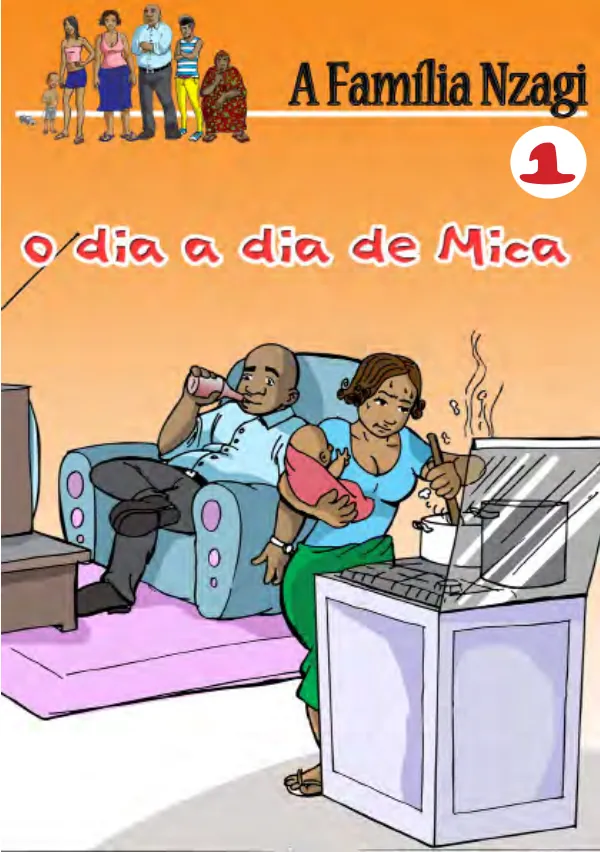
The Cazenga neighborhood in Luanda, Angola, is home to a family of five, including a mother, father, and three children.
20 pages
Sign in to readA free account is required to download.
Abstract
The mother, a 35-year-old woman, is married to Nando, a 39-year-old man who works as a motorist in administration. They have been together for 15 years and have three children: twin 13-year-old boys, Avozinho and Avozinha, and a 6-year-old boy, Cassule. The twins are the children of the mother's mother, Avó Teté, who lives with the family and has been helping the mother to conceive more children. The mother has had difficulty conceiving in the past, having lost two pregnancies before the twins were born. She considers her children to be her greatest blessing. Avó Teté, who is known for her ability to help the mother conceive, has been living with the family for some time and is eager to receive more grandchildren. The family's living situation is likely influenced by the mother's occupation, as she sells vegetables and magoga to help support her family. Nando's job as a motorist in administration provides a stable income for the family, allowing them to live in the Cazenga neighborhood. The family's dynamics are shaped by the presence of Avó Teté, who plays an important role in their lives. The mother's relationship with her mother is close, and Avó Teté's influence on the family is significant. The family's history and relationships are deeply intertwined, with each member playing a vital role in the others' lives. The family's living situation and relationships are likely influenced by the cultural and social context of Luanda, Angola. The presence of Avó Teté and the mother's occupation suggest a strong sense of family and community, which is common in many African cultures. The family's dynamics are also shaped by the economic realities of living in Luanda, where access to resources and opportunities can be limited. Despite these challenges, the family appears to be close-knit and supportive, with each member playing an important role in the others' lives. The family's history and relationships are complex and multifaceted, reflecting the diversity and richness of Angolan culture. The presence of Avó Teté and the mother's occupation highlight the importance of family and community in Angolan society, while the family's economic situation underscores the challenges faced by many families in Luanda.
Related documents