USAID
USAID and PL480: The Evolution of a Revolutionary Idea
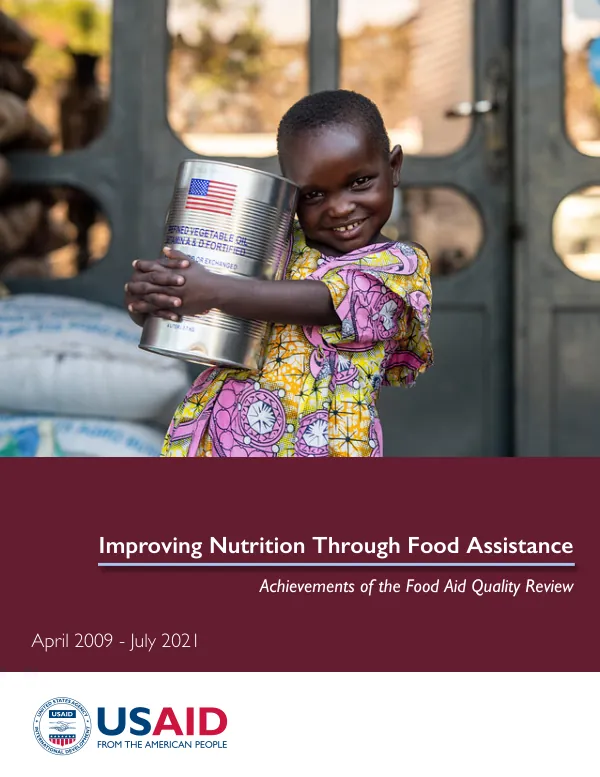
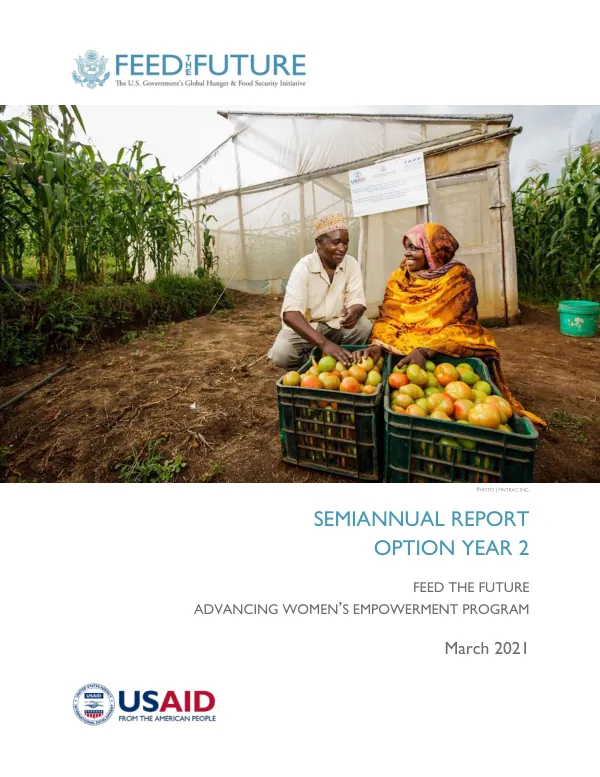
The United States Agency for International Development (USAID) has a long history of providing food aid to countries in need.
2015 · 32 pages
Sign in to readA free account is required to download.
Abstract
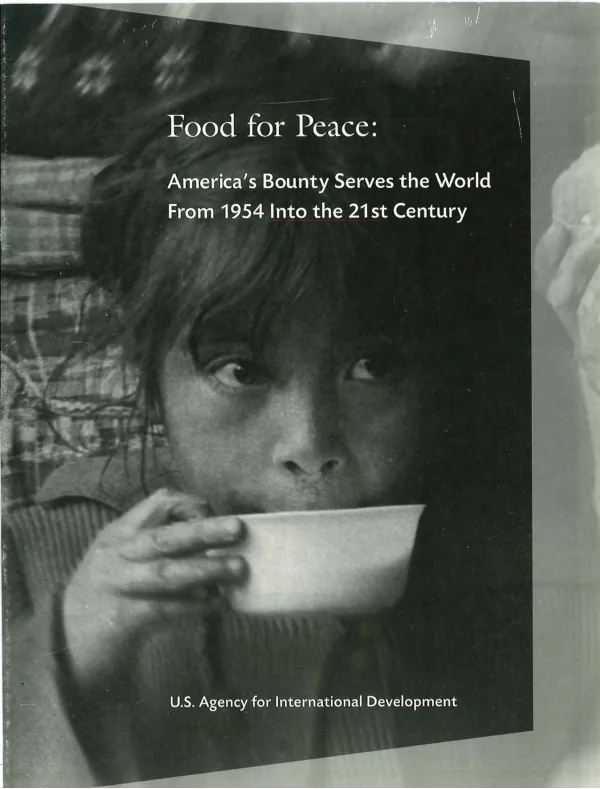
For 40 years, U.S. food aid has demonstrated the American people's commitment to eliminating world hunger and poverty. America's bounty has saved the lives of millions of people in more than 150 countries and territories. This form of economic assistance has also been a major stimulus for sustained development. Public Law 480, enacted in 1954, was a landmark piece of legislation that represented one of the first permanent peacetime foreign aid programs. The law provided for the sale of Commodity Credit Corporation (CCC) surpluses in local currency to foreign governments, and for donations of commodities to needy and other relief requirements. The law also provided for the donation of commodities to relief organizations that distribute food through independent programs, and allowed the CCC to barter surplus supplies for goods required by the United States. The evolution of PL 480 has been marked by several key milestones. In 1955, the first year of operation, shipments totaled 3.4 million metric tons. By 1957, the figure had increased to 14 million metric tons, valued at more than $1 billion. This increase in exports helped maintain farm income and decrease U.S.-held agricultural surpluses. By the late 1950s, it was widely acknowledged that PL 480's potential had only begun to be realized. Senator Humphrey explained why changes needed to be made: "PL 480 has been supported by more members of Congress who conceived it as a simple disposal than by members who understood its constructive potentialities. But at that time, we did not know what we since have learned, namely, that agricultural surpluses are a powerful instrument for promoting self-sufficiency, peace, and freedom on the world stage."