ANALYSIS, INFORMATION MANAGEMENT AND COMMUNICATION ACTIVITY PROJECT
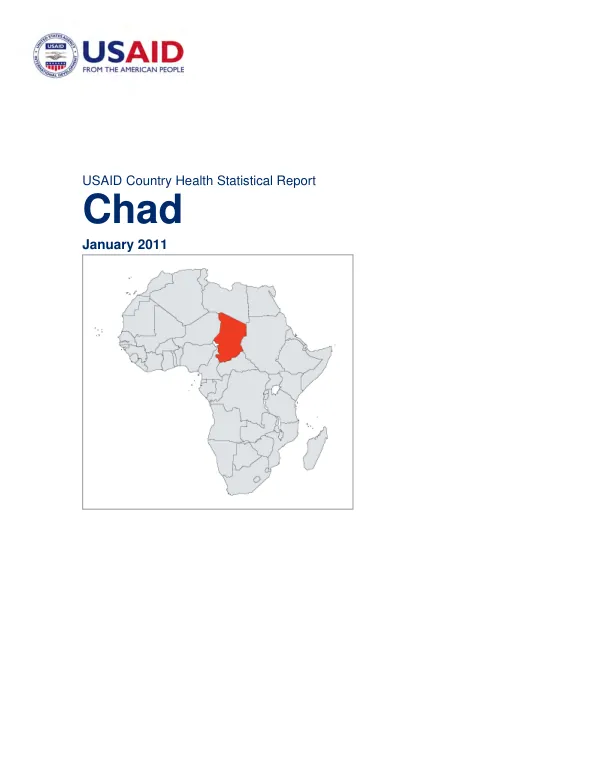
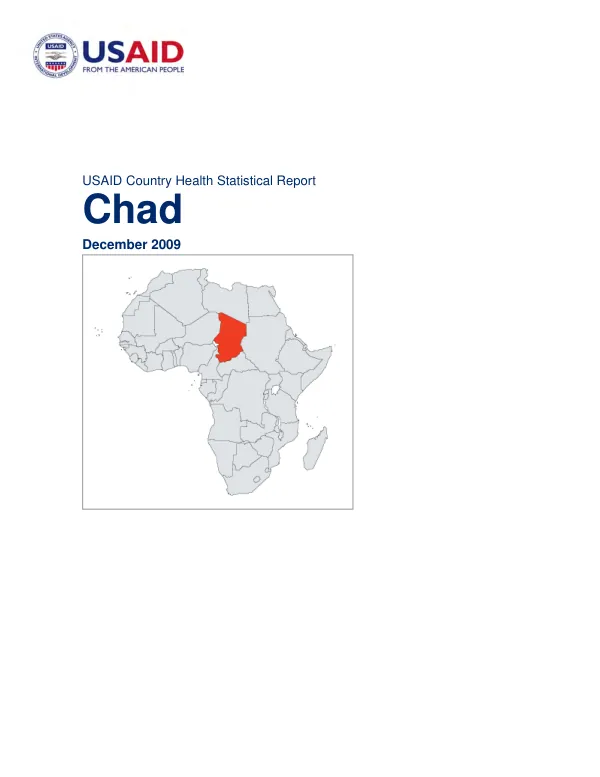
USAID Country Health Statistical Report Chad
The country of Chad has a total population of 10,319,208 as of 2009.
2009 · 21 pages
Sign in to readA free account is required to download.
Abstract
The population growth rate is 2.1% per year, and the percentage of the population living in urban areas is 25%. The total fertility rate is 5.3 children per woman, and the contraceptive prevalence rate for married women is 1.6%. The maternal mortality ratio is 1,500 deaths per 100,000 live births, and the infant mortality rate is 98.7 deaths per 1,000 live births. The country has a high burden of infectious diseases, including tuberculosis and malaria. The estimated number of people living with HIV is 200,000, and the HIV prevalence among adults is 3.5%. The country has a low level of access to healthcare, with only 42.5% of women receiving antenatal care and 20.7% of births attended by a skilled health professional. The country has a high level of poverty, with 80% of the population living below the poverty line. The gross national income per capita is $1,400, and the human development index is 0.39. The country has a high level of inequality, with a Gini index of 0.5. The inflation rate is 10.4%, and the unemployment rate is not available. The country has a low level of access to education, with only 25.7% of the adult population having completed primary education. The adult literacy rate is 25.7%, and the gender parity index is 0.69. The country has a low level of access to water and sanitation, with only 40% of the population having access to improved water sources and 30% having access to improved sanitation facilities. The country has a high level of child mortality, with an under-5 mortality rate of 158.9 deaths per 1,000 live births. The vaccination coverage is low, with only 20.1% of children receiving the third dose of the diphtheria, pertussis, and tetanus vaccine. The exclusive breastfeeding rate is 1.9%, and the stunting rate is 40.9%. The country has a high level of malnutrition, with 36.7% of children under 5 being underweight and 13.5% being wasted. The country has a low level of access to healthcare, with only 37.5% of children under 5 receiving oral rehydration therapy. The country has a high level of mortality, with an infant mortality rate of 98.7 deaths per 1,000 live births and an under-5 mortality rate of 158.9 deaths per 1,000 live births. The country has a high level of poverty, with 80% of the population living below the poverty line. The country has a low level of access to education, with only 25.7% of the adult population having completed primary education. The country has a low level of access to water and sanitation, with only 40% of the population having access to improved water sources and 30% having access to improved sanitation facilities.
Related documents