ANALYSIS, INFORMATION MANAGEMENT AND COMMUNICATION ACTIVITY PROJECT
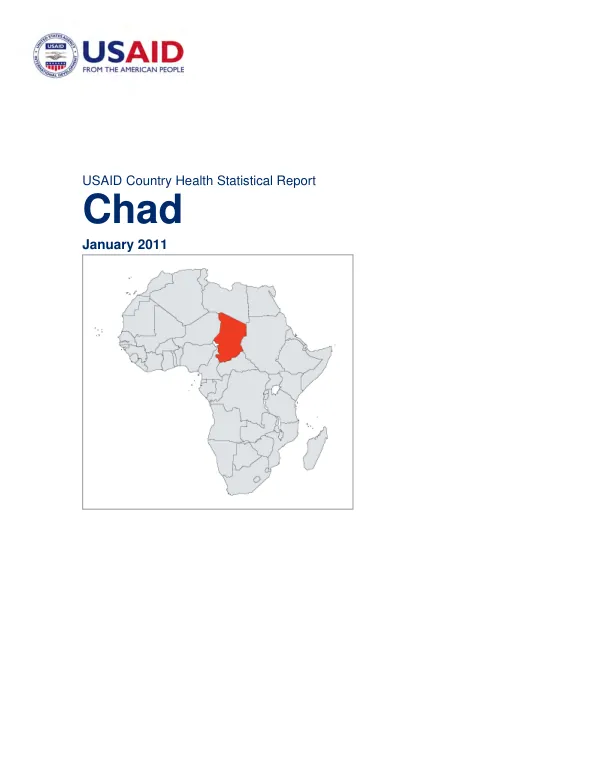
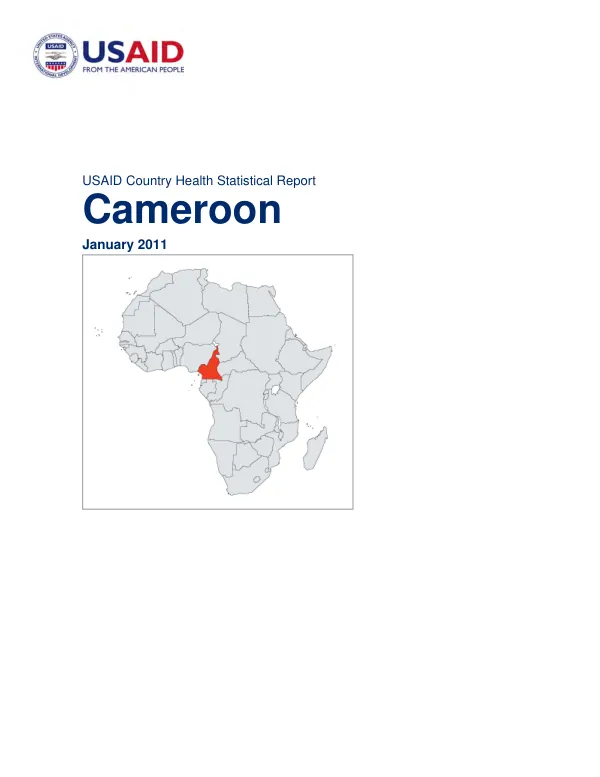
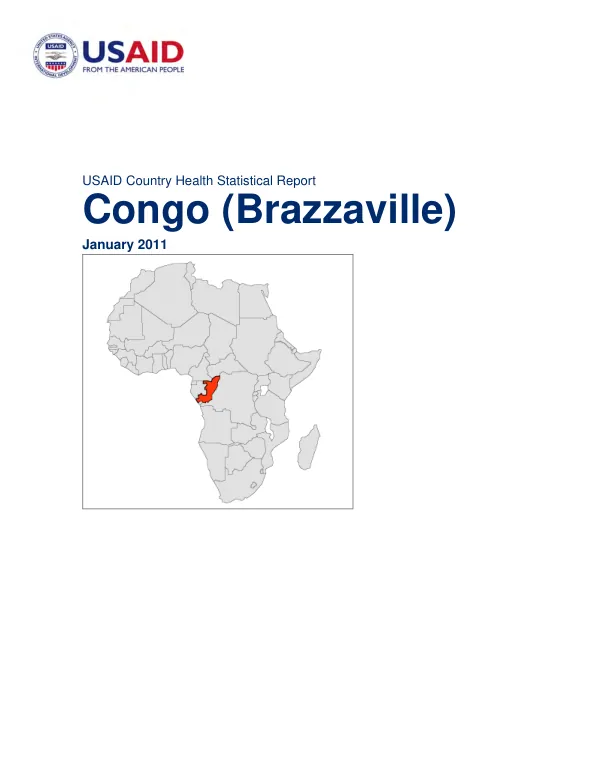
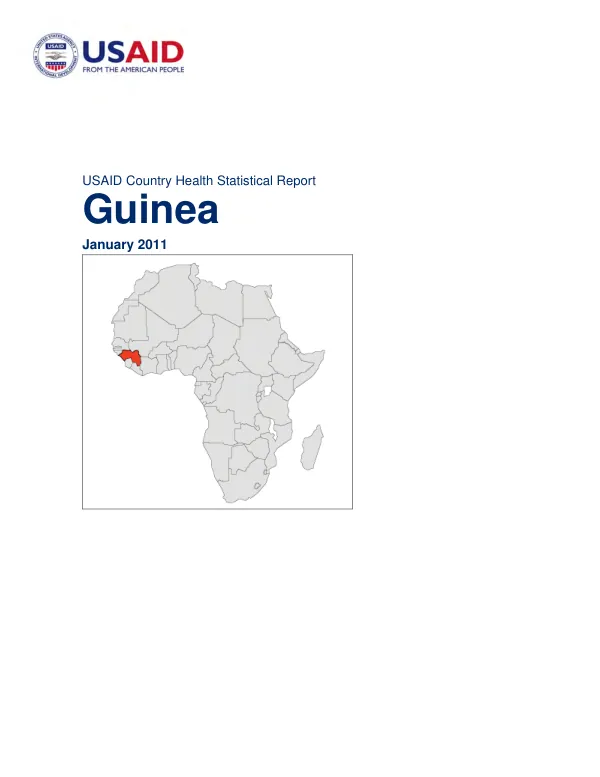
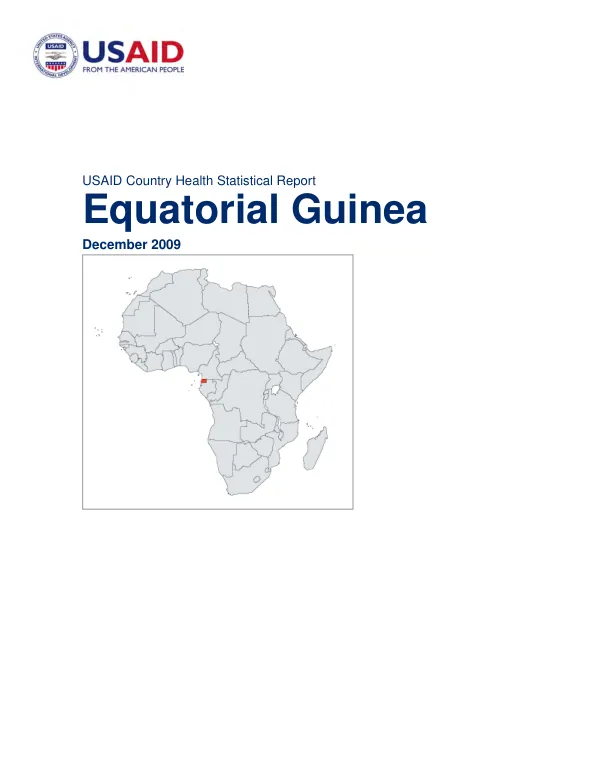
USAID Country Health Statistical Report for Equatorial Guinea
The total population of Equatorial Guinea is 633,441 as of 2009.
2009 · 21 pages
Sign in to readA free account is required to download.
Abstract
The population growth rate is 2.7% per year, with 51.4% of the population residing in urban areas. The number of women aged 15-19 is 32,193, and the number of women aged 15-49 is 148,862. The life expectancy at birth is 61.6 years, and the crude birth rate is 36.5 per 1,000 people. The crude death rate is 9.5 per 1,000 people, and the number of live births is 23,133. The country's socioeconomic indicators show a GNI per capita of $7,580 in 2004, with health expenditure accounting for 1.8% of GDP in 2002. There are 0.21 physicians per 1,000 people, and the adult literacy rate is 87%. The gross enrollment ratio for primary school is 122%, and the gender parity index for net enrollment ratio is 0.9. Access to improved water sources is 42% in rural areas and 45% in urban areas, while access to improved sanitation facilities is 46% in rural areas and 60% in urban areas. The maternal health indicators show a maternal mortality ratio of 680 per 100,000 live births in 2005. The antenatal care rate is not available, but assisted delivery by a health professional is also not available. Anemia prevalence among women of reproductive age is not available, and equity in skilled attendance at delivery is not available. The child survival indicators show an infant mortality rate of 81.6 per 1,000 live births in 2009. The under-5 mortality rate is 135.7 per 1,000 live births in 2006. The vaccination coverage for DPT3 is 74% in 2008, and the measles vaccination rate is 76% in 2008. The polio vaccination rate is 73% in 2008, and the tetanus toxoid vaccination rate is not available. The HIV/AIDS prevention indicators show an HIV prevalence proportion of 3.4% among adults aged 15-49 in 2007. The estimated number of people living with HIV is 11,000, with 5,900 women and 1,000 children aged 0-14. The males reporting condom use with their last non-regular partner is not available, and the females reporting condom use with their last non-regular partner is also not available. The infectious diseases control indicators show an estimated number of TB cases of 1,299 in 2007. The TB case detection rate is 74% in 2004, and the TB treatment success rate is 51% in 2003. The malaria cases per 100,000 people are 2,486 in 1995. The DOTS coverage is 100% in 2004, and the HIV-infected with active TB is 28.7% in 2007. The child sleeps under an insecticide-treated net is 0.7% in 2000, and the equity in bednet ownership is not available.
Related documents