ANALYSIS, INFORMATION MANAGEMENT AND COMMUNICATION ACTIVITY PROJECT
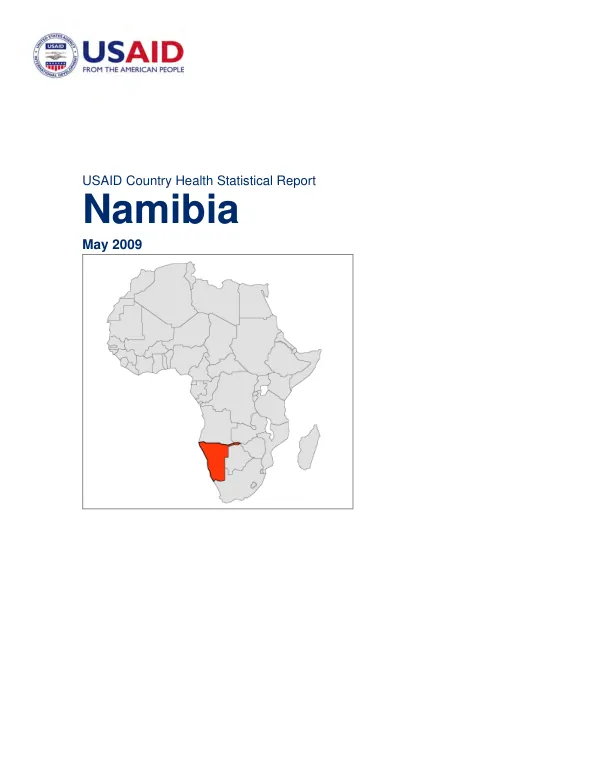
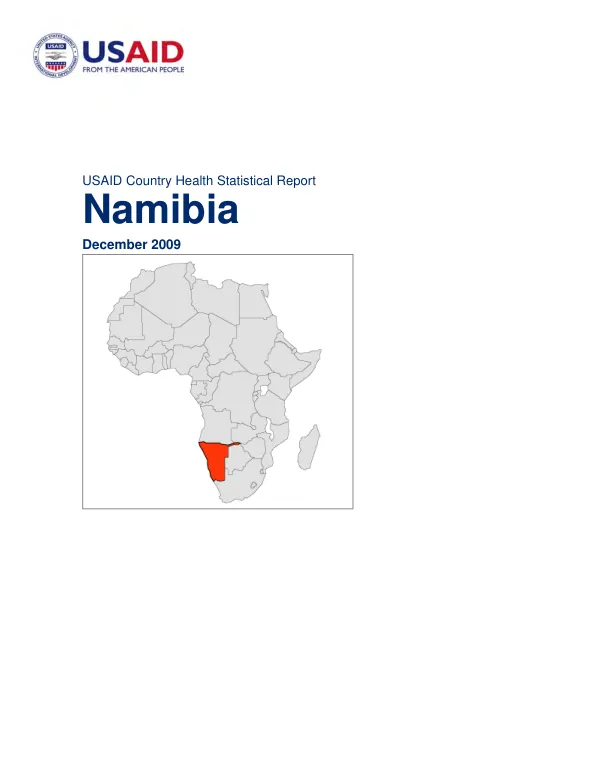
USAID Country Health Statistical Report for Namibia
Namibia has a total population of 2,108,665 as of 2009.
2009 · 21 pages
Sign in to readA free account is required to download.
Abstract
The population growth rate is 0.95% per year, with 33% of the population residing in urban areas. The country has a relatively high total fertility rate of 2.7 children per woman, with a contraceptive prevalence rate of 45.7% among all women and 53.4% among married women. The maternal mortality ratio in Namibia is 210 deaths per 100,000 live births, with 86% of women receiving at least one antenatal care visit during pregnancy. However, the country still faces significant challenges in reducing maternal mortality, with a high proportion of births attended by unskilled birth attendants. Child survival indicators also show room for improvement. The infant mortality rate is 45.5 deaths per 1,000 live births, with a significant proportion of children under five suffering from acute respiratory infections and malnutrition. Exclusive breastfeeding rates are low, with only 35.4% of children under four months exclusively breastfed. Vaccination coverage is relatively high, with 83.2% of children receiving the DPT3 vaccine and 83.8% receiving the measles vaccine. However, equity in vaccination coverage remains a concern, with certain groups of children being left behind. HIV/AIDS prevalence is a significant public health concern in Namibia, with an estimated 15.3% of adults aged 15-49 living with HIV. The country has made efforts to scale up HIV prevention and treatment services, but more work is needed to address the epidemic. The country's socioeconomic indicators suggest that Namibia faces significant development challenges. The gross national income per capita is $7,910, with a significant proportion of the population living below the poverty line. The country also faces challenges in improving access to healthcare, with a low number of physicians per 1,000 people and a high burden of infectious diseases. Overall, Namibia's health profile suggests that the country faces significant challenges in improving health outcomes, particularly in the areas of maternal and child health, HIV/AIDS, and infectious diseases. Addressing these challenges will require sustained efforts to improve access to healthcare, strengthen health systems, and promote healthy behaviors among the population.
Related documents