ACTED
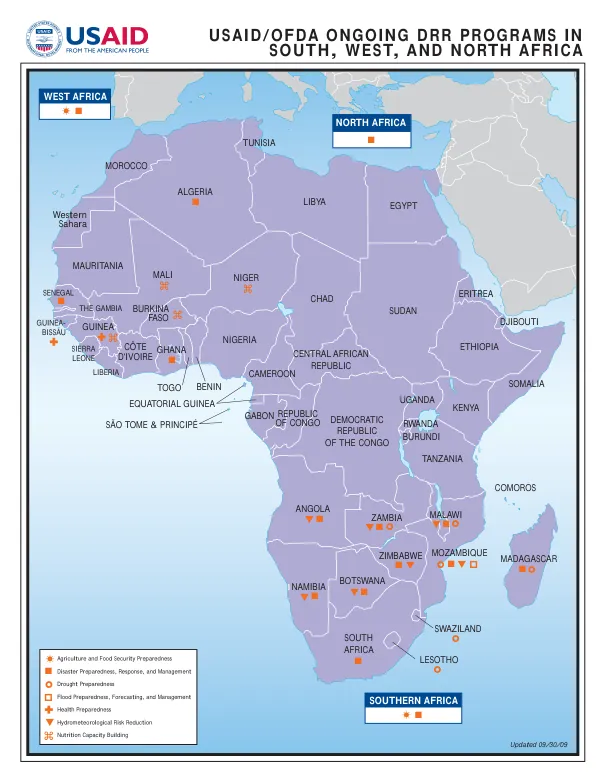
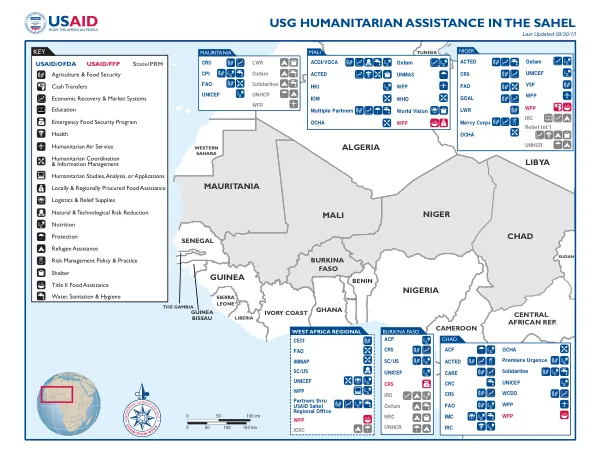
USG Humanitarian Assistance in the Sahel Map
The Sahel region of West Africa encompasses countries including Mali, Algeria, Libya, Chad, Niger, Mauritania, Mauritania, Cameroon, Ghana, Guinea, Ivory Coast, Central African Republic, Senegal, Burkina Faso, Benin, Sudan, Tunisia, Liberia, Togo, Sierra Leone, Guinea Bissau, The Gambia, Western Sahara, and the USG Humanitarian Assistance in the Sahel.
2013 · 1 pages
Sign in to readA free account is required to download.
Abstract
The region is characterized by arid and semi-arid conditions, with limited agricultural productivity and market access. The region's agricultural sector is heavily reliant on staple crops such as maize, beans, and beans, with yields averaging 40% below regional benchmarks. Soil degradation and limited market access are primary challenges in the region. The region's agricultural sector is heavily reliant on staple crops such as maize, beans, and beans, with yields averaging 40% below regional benchmarks. Implementation of the USG Humanitarian Assistance in the Sahel focused on four key interventions: farmer training, infrastructure development, market linkage facilitation, and cash transfers. More than 2,500 farmers received training in sustainable agriculture techniques, with 38% of participants being women-headed households. The region's humanitarian assistance programs are implemented by various organizations, including ACDI/VOCA, ACTED, HK, IOM, OCHA, OCHA, Oxfam, UNMAS, UNMAS, WFP, and WHO.
Connected topics