USAID
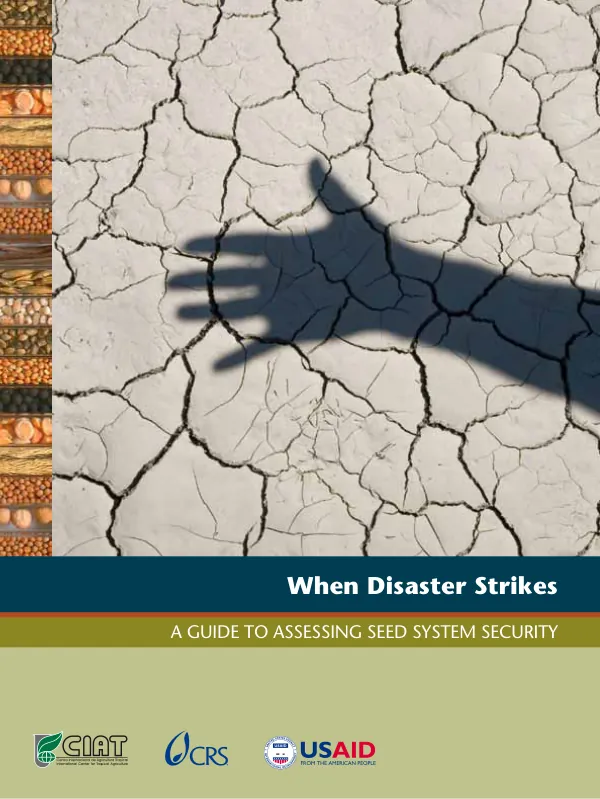
When disaster strikes: A guide to assessing seed system security
The Seed System Security Assessment (SSSA) guide is a comprehensive resource for understanding and addressing seed security challenges in agricultural systems.
74 pages
Sign in to readA free account is required to download.
Abstract
The guide is designed to help users identify and address seed security constraints, particularly in the context of disaster response and recovery. Seed security and food security are closely linked, with seed security being a critical component of food security. Small-scale farmers rely on various seed sources, including formal and informal systems, to access the seeds they need to plant and harvest crops. However, these systems can be vulnerable to disruptions, such as natural disasters, conflict, and market fluctuations, which can lead to seed insecurity. The guide outlines a step-by-step approach to conducting a seed system security assessment, including identifying zones for assessment and possible intervention, describing the normal status of crop and seed systems, and assessing the post-crisis functioning of seed channels. The guide also provides tools and resources for identifying chronic stresses requiring longer-term solutions and emerging development opportunities. The SSSA guide is designed to be used by a range of stakeholders, including humanitarian organizations, governments, and local communities. The guide provides a framework for understanding the complex relationships between seed security, food security, and agricultural systems, and for developing effective responses to seed security challenges. The guide is structured into several parts, including an introduction, background information on seed security and food security, and a practical guide to conducting a seed system security assessment. The guide also includes a glossary of key terms and abbreviations, as well as references to additional resources. The SSSA guide is a valuable resource for anyone working in the field of agricultural development, humanitarian response, or food security. It provides a comprehensive framework for understanding and addressing seed security challenges, and for developing effective responses to these challenges. The guide emphasizes the importance of understanding the complex relationships between seed security, food security, and agricultural systems. It highlights the need for a comprehensive approach to seed security, one that takes into account the social, economic, and environmental factors that influence seed availability and access. The SSSA guide provides a range of tools and resources for conducting a seed system security assessment, including checklists, questionnaires, and decision-making trees. These tools can be used to identify seed security constraints, assess the impact of disasters on seed systems, and develop effective responses to seed security challenges. The guide also emphasizes the importance of involving local communities and stakeholders in the seed system security assessment process. This includes engaging with farmers, traders, and other key actors in the seed system, as well as involving local authorities and other stakeholders in the assessment and response process. The guide is designed to be used in a variety of contexts, including disaster response and recovery, agricultural development, and food security programming. It can be used by a range of stakeholders, including humanitarian organizations, governments, and local communities. The SSSA guide is a critical resource for anyone working to address seed security challenges in agricultural systems. It provides a comprehensive framework for understanding and addressing these challenges, and for developing effective responses to them.