AFRICAN-AMERICAN SCHOLARS COUNCIL
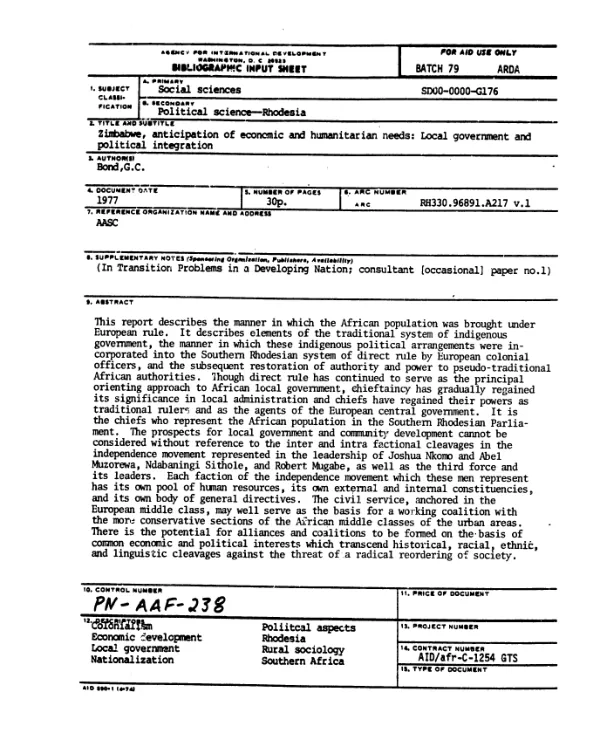
Zimbabwe, anticipation of economic and humanitarian needs : politics in Zimbabwe
Aid options for the U.S.
Short, J. N. · 1970
Sign in to readA free account is required to download.
Abstract
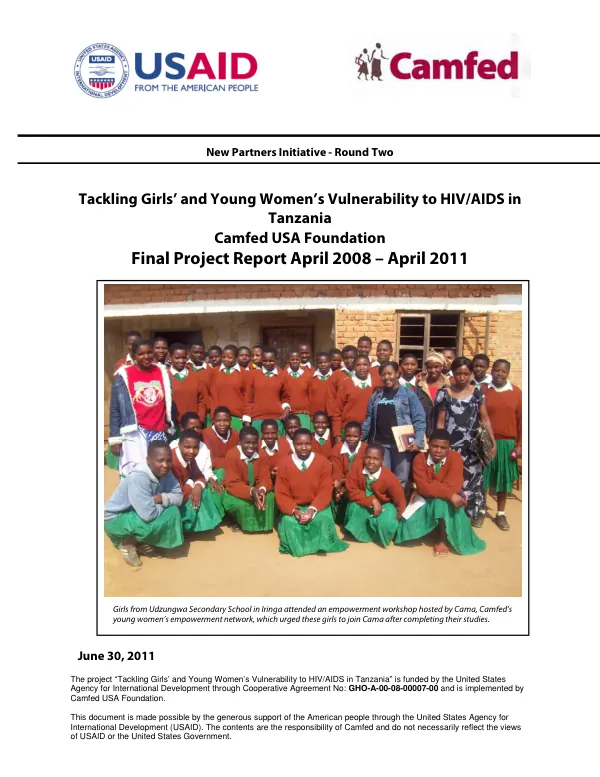
should not be studied or conceived, much less implemented, without reference to the political context and to the overall goals of the United States in southern Africa. This project concerns U.S. interests in Southern Africa and the desirable goals for U.S. policy, especially aid policy. It is assumed that it is in the national interest of the U.S. to strongly support majority rule in Zimbabwe, Namibia, and South Africa. The objectives of economic assistance as such should be to help ease the transition to majority rule and to help the African majorities achieve full self-determination. This study focuses on short-term conditions in the two transitions which may be susceptible to economic assistance. It attempts to anticipate what adverse conditions may arise in the administrative, economic, and human resource sectors of the two countries. The analysis may suggest ways to alleviate short-term problems or crises, but the main objective is to avert or alleviate possible problems and to help put the new African governments in the best position to deal with underlying problems of underdevelopment in the future. The report provides an initial assessment of the likely consequences of transition to majority rule in Zimbabwe and Namibia, and of the likely consequences in the political/administrative, social, economic, and human welfare sectors of the two countries. It should be of help in developing a basic U.S. aid posture, in developing specific programs of aid, and in identifying areas for further study. The possible consequences of transition, outlined in this study, concern not only foreign aid but also foreign investment, international banking, and finance. A.I.D. type assistance must be conceived in a broad framework.
Related documents