USAID DEC
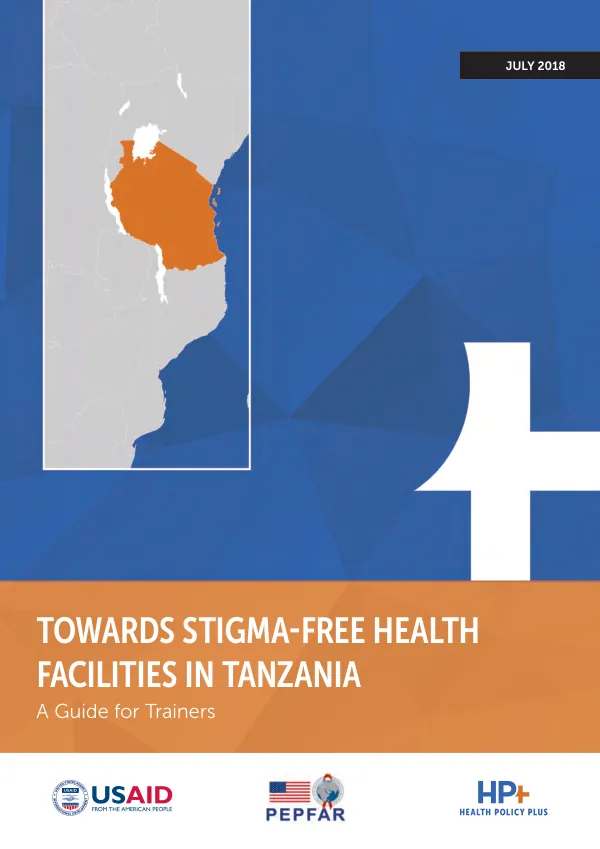
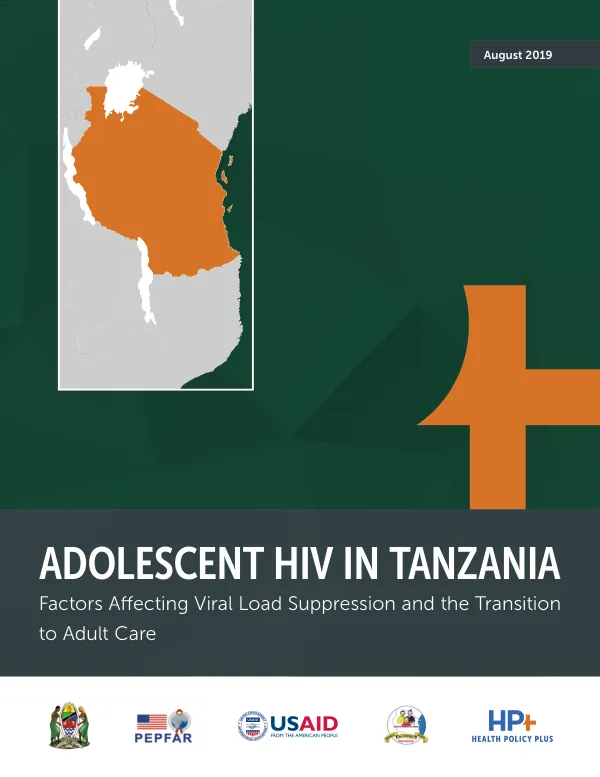
Adolescent HIV in Tanzania: Factors Affecting Viral Load Suppression and the Transition to Adult Care
Sign inAVENIR HEALTH
Adolescent HIV in Tanzania: Factors Affecting Viral Load Suppression and the Transition to Adult Care
Adolescent HIV in Tanzania is a significant public health concern, with a disproportionately high share of new HIV infections occurring among adolescents ages 15-19 years.
2019 · 78 pages
Sign in to readA free account is required to download.
Abstract
According to data, this age group accounts for approximately 10% of the total HIV-infected population in Tanzania, despite representing only 5% of the country's population. Viral load suppression is a critical indicator of HIV treatment success, and research has shown that adolescents in Tanzania face significant challenges in achieving viral load suppression. Factors contributing to this issue include limited access to antiretroviral therapy (ART), inadequate healthcare provider training, and poor adherence to treatment regimens. The transition to adult HIV care is another critical aspect of HIV management in Tanzania. Adolescents with HIV typically transition to adult care between the ages of 15 and 18 years, but this process is often fraught with challenges. Research has identified several key factors that affect the transition to adult care, including the availability of healthcare providers with expertise in pediatric HIV care, the quality of care provided in transition facilities, and the level of support provided to adolescents and their caregivers. A study conducted in Tanzania found that adolescents who received comprehensive care and support during the transition to adult care were more likely to achieve viral load suppression and maintain adherence to treatment regimens. The study also identified several key policy recommendations to improve the transition to adult care, including the development of standardized transition protocols, the provision of training and support for healthcare providers, and the establishment of community-based support services for adolescents and their caregivers. The study's findings have significant implications for HIV policy and programming in Tanzania. By addressing the challenges faced by adolescents with HIV, policymakers and program implementers can help to improve treatment outcomes, reduce the risk of HIV transmission, and promote the overall well-being of adolescents living with HIV. The study's methodology involved a mixed-methods approach, combining quantitative and qualitative data collection and analysis. The quantitative component involved a review of existing data on viral load testing and suppression, as well as an analysis of demographic and clinical characteristics associated with viral load testing and suppression. The qualitative component involved in-depth interviews and focus group discussions with adolescents, caregivers, healthcare providers, and policymakers. The study's results highlight the need for targeted interventions to improve viral load suppression and the transition to adult care among adolescents with HIV in Tanzania. By addressing the challenges faced by this vulnerable population, policymakers and program implementers can help to promote the health and well-being of adolescents living with HIV, and ultimately contribute to the achievement of the United Nations' Sustainable Development Goals (SDGs).