CHEMONICS
Alfalfa Investment and Production Guide
Alfalfa is one of the oldest and most important fodder crops, with a history of cultivation dating back approximately 8,000 years to Asia.
2021 · 13 pages
Sign in to readA free account is required to download.
Abstract
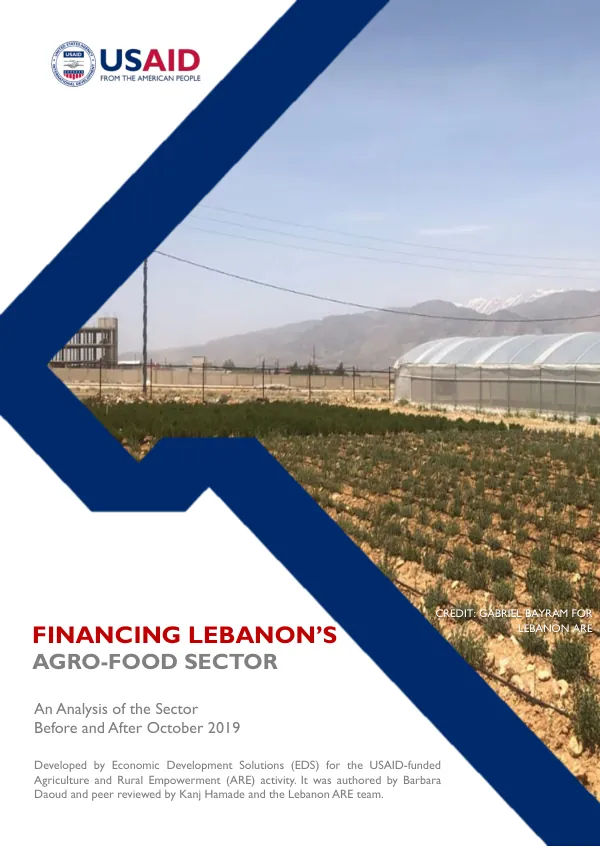
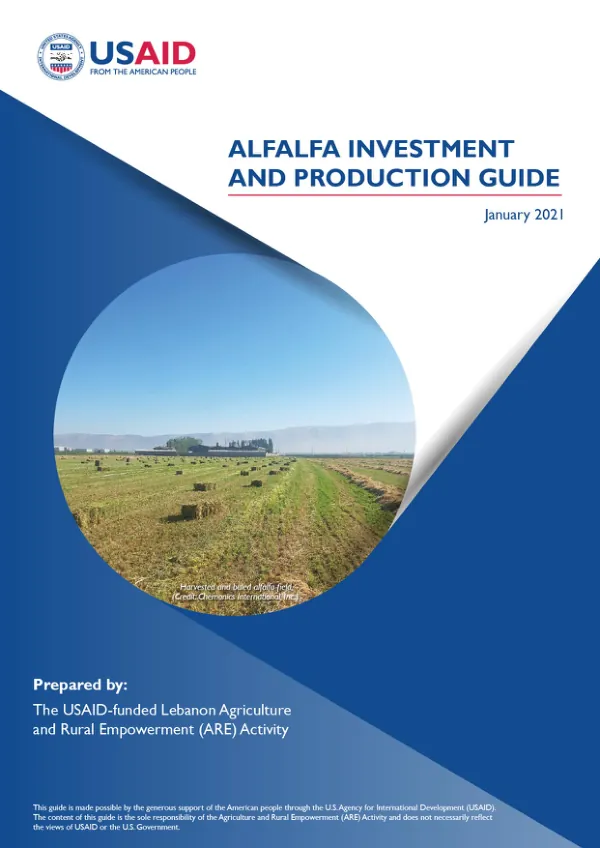
The crop has been transferred to other continents and is now widely cultivated worldwide, with perennial varieties being particularly widespread. The most commonly available varieties of alfalfa include Medicago sativa L (common purple alfalfa), Medicago media Pers. (hybrid alfalfa), and Medicago falcata L (yellow alfalfa). Prior to the devaluation of the Lebanese Lira, alfalfa production in Lebanon was not economically viable, except in large landholdings. However, with the demand from dairy producers and the fact that alfalfa prices in Lebanon closely follow global prices in dollars, the economics of alfalfa production have become more favorable, especially for landowners. This shift in economic viability has led to the development of a production and investment guide by the USAID-Agriculture and Rural Empowerment (ARE) Activity. The guide aims to help potential growers understand the economics and technical production aspects of growing alfalfa. It provides valuable information for those interested in investing in alfalfa production and seeking support from the ARE Activity. The guide covers various aspects of alfalfa production, including the technical requirements for growing the crop, the economic benefits of investing in alfalfa, and the support available from the ARE Activity. Mature alfalfa fields are typically ready for harvest after a period of growth, during which the crop is carefully managed to ensure optimal yields. The crop is a key component of dairy production, providing a high-quality feed source for livestock. With the increasing demand for dairy products and the favorable economic conditions for alfalfa production in Lebanon, the potential for investment in this sector is significant. The ARE Activity has developed this guide to support the growth of the alfalfa industry in Lebanon, providing valuable information and resources for potential growers. The guide is a valuable tool for those interested in investing in alfalfa production and seeking to understand the technical and economic aspects of this important crop.