UNIVERSITY OF PENNSYLVANIA
Annenberg School for Communication University of Pennsylvania
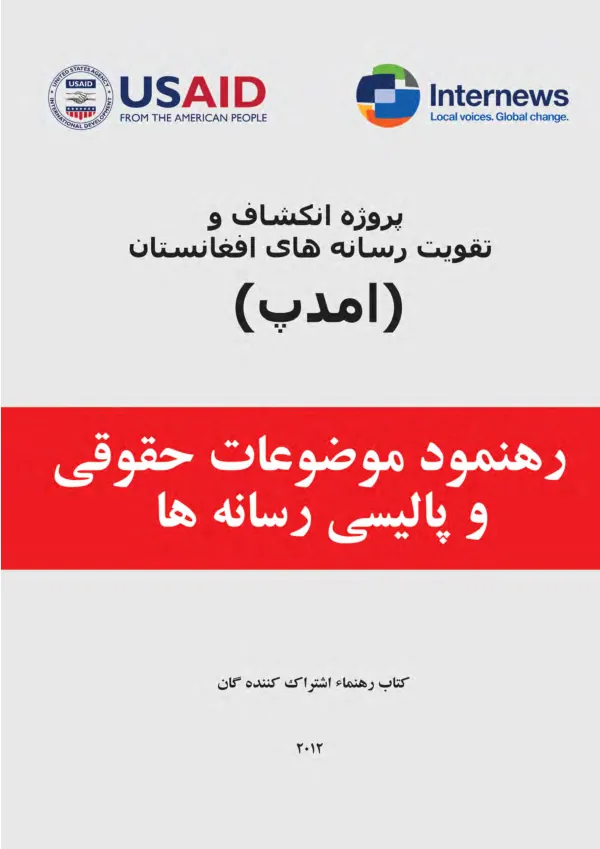
The agricultural development initiative in Afghanistan began in 2018 with funding from the United States Agency for International Development (USAID).
449 pages
Sign in to readA free account is required to download.
Abstract
The initiative aimed to improve agricultural productivity and market access for smallholder farmers in Afghanistan. The initiative also focused on improving irrigation facilities, with a goal of increasing water availability for farmers. This included the construction of new canals, rehabilitation of existing canals, and installation of irrigation pumps. The initiative also aimed to improve market access for farmers, including the establishment of new markets and the improvement of existing ones. In addition to these interventions, the initiative also focused on improving the capacity of government institutions and civil society organizations to support agricultural development. This included the provision of training and technical assistance to government officials and civil society organizations, as well as the establishment of a network of agricultural extension agents. The initiative was implemented in various provinces of Afghanistan, including Herat, Kabul, and Balkh. The program was designed to be sustainable and to have a lasting impact on the agricultural sector in Afghanistan. The initiative was also designed to be adaptable to the needs of different provinces and communities, with a focus on building the capacity of local institutions and civil society organizations. The midterm evaluation of the initiative showed positive results, with significant improvements in agricultural productivity, market access, and household income. The evaluation also identified areas for improvement, including the need for more effective irrigation systems and the need to improve the capacity of government institutions and civil society organizations. The initiative was supported by a range of stakeholders, including USAID, the Government of Afghanistan, and civil society organizations. The initiative was also supported by a range of international partners, including the World Bank and the Food and Agriculture Organization of the United Nations. Overall, the agricultural development initiative in Afghanistan was a significant effort to improve agricultural productivity and market access for smallholder farmers in the country. The initiative showed positive results and identified areas for improvement, and it has the potential to have a lasting impact on the agricultural sector in Afghanistan.
Related documents