GOVERNMENT OF GHANA
Annual Progress Report: Feed the Future Ghana Fisheries Recovery Activity
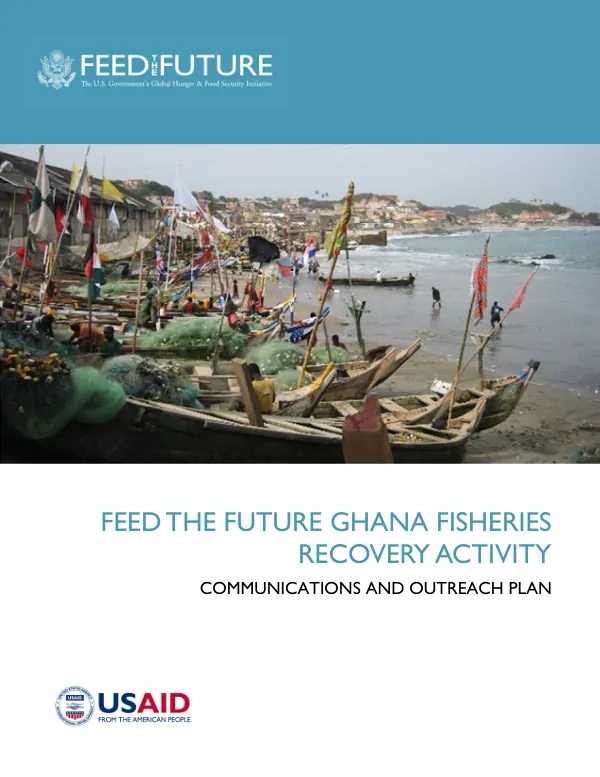
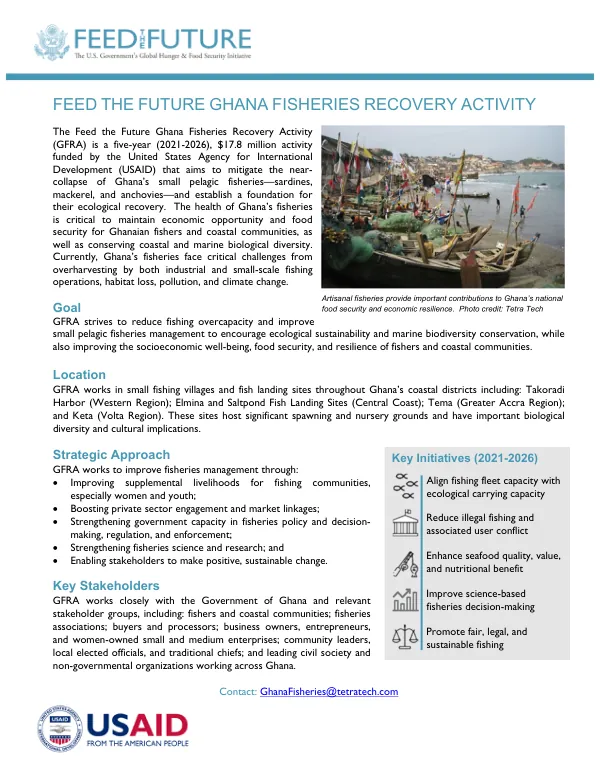
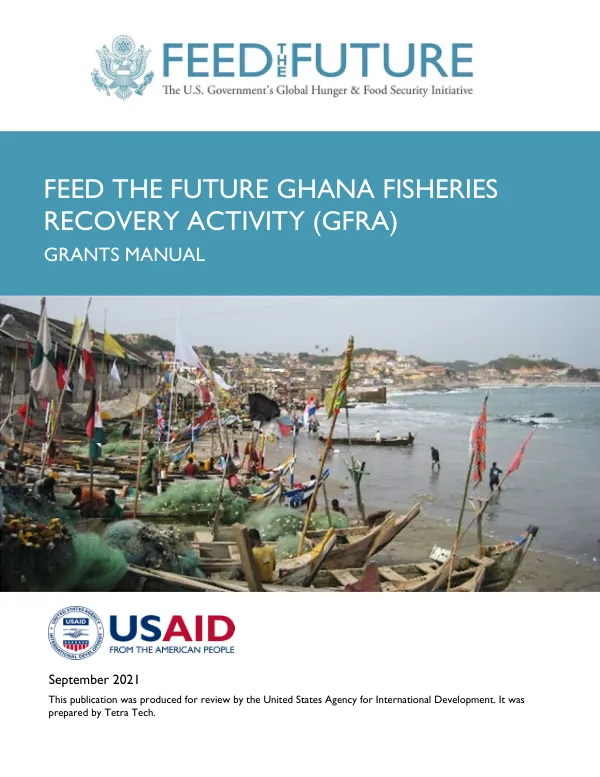
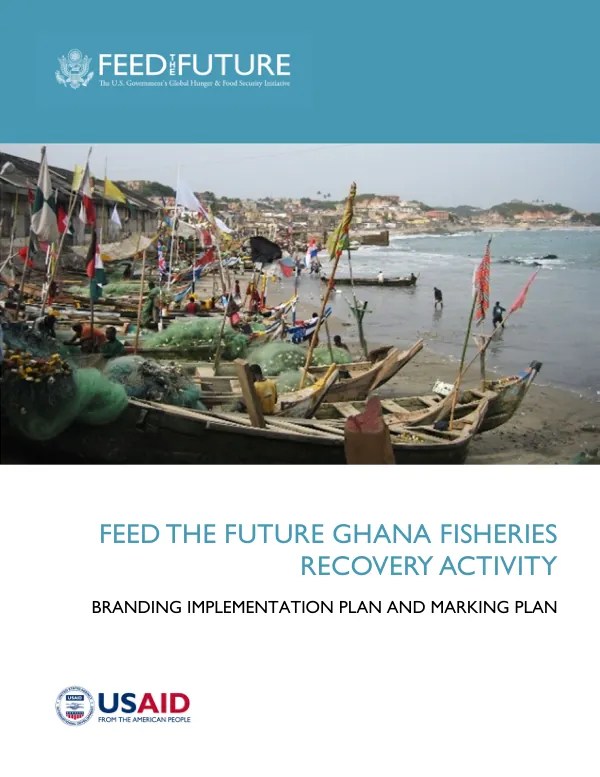
The Feed the Future Ghana Fisheries Recovery Activity (GFRA) is a 5-year program aimed at mitigating the near collapse of Ghana's small pelagic fisheries sector and establishing a durable basis for its ecological recovery.
2021 · 16 pages
Sign in to readA free account is required to download.
Abstract
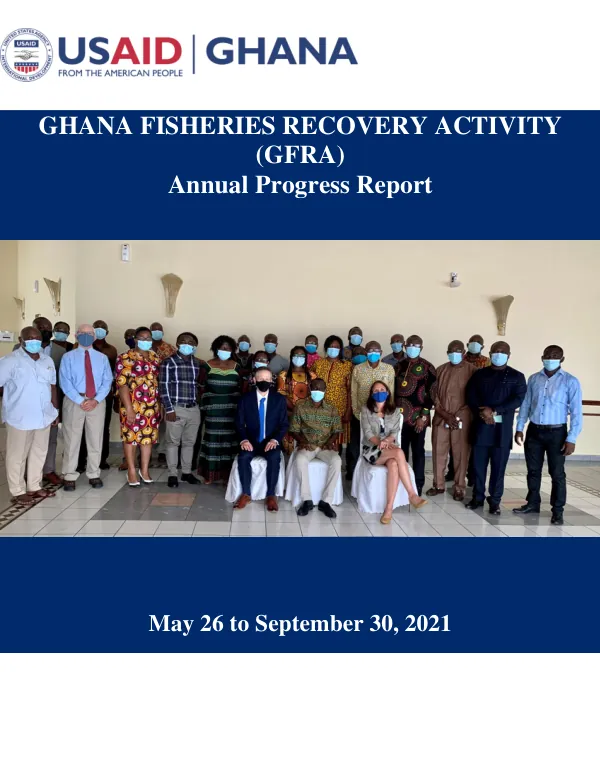
The program was awarded to Tetra Tech by the United States Agency for International Development (USAID) on May 26, 2021, with a contract value of $17.88 million. The program's geographic coverage includes the Central Region, Western Region, Greater Accra Region, and Volta Region in Ghana. To achieve its objectives, GFRA will implement a balanced and strategic approach that reduces fishing overcapacity and increases controlled access over Ghana's small pelagic fisheries sector. This will be achieved through an ecosystem approach to fisheries management (EAFM) that includes relevant strategic interventions. The program's five interdependent strategic approaches are: 1. Aligning fisheries capacity with ecological carrying capacity of the small pelagic fisheries while enhancing the socio-economic well-being and resilience of artisanal fisherfolk. 2. Increasing the quality and value of artisanal fish products to maintain household income and enhance availability of nutritious foods for local and regional markets. 3. Strengthening transparency, accountability, and co-management in governance practices for fisheries policymaking, regulation, and enforcement. 4. Strengthening constituencies to promote and implement sustainable fisheries management. 5. Improving the use of science and research for policy and management decisions. During the reporting period, May 26 to September 30, 2021, GFRA's activities were primarily focused on startup activities. These included successfully identifying and moving into permanent office space, setting up all key policies and procedures, and hiring and on-boarding ten staff, including all key personnel and the team responsible for project finance and administration. GFRA also conducted several activities that laid the foundation for successful activity implementation during the rest of the project's first year. These included recognizing the highly integrated nature of the project and instituting a participatory work planning process across the entire GFRA team to ensure that first year workplan activities were designed to ensure close coordination and integration with all other GFRA objectives. GFRA also held an initial stakeholder consultation and project socialization workshop, also referred to as the Collaborative Start up Workshop. This was an essential activity to introduce the project and its design to all important stakeholders in Ghana and solicit their input to ground the project in a highly collaborative and supportive role in the fisheries community. The full in-person workshop report is presented as an annex. In parallel, a virtual workshop held between the GFRA team (including subcontractors DevWorks and Hen Mpoano) and USAID Ghana and Washington provided the team the opportunity to dig into project theory and results chains in collaboration with USAID staff and served as an important foundation to project work planning, M&E design, and life of project learning questions. GFRA also kicked off some important analyses during the reporting period. Given the implementation of the closed season in July and August, GFRA took advantage of this to hire a team of local academics to conduct field research on the impact of the closed season on communities and the fish stocks. This research will be an important basis for follow-on conversations and activities with the Fisheries Commission to identify policies and interventions and knock-on technical assistance needs for GFRA's five-year period to best align ecological carrying capacity with community well-being. GFRA also conducted consultations and literature reviews to design the market analysis report on suitable livelihoods and the small pelagic fishery value chain analysis report. The GFRA team recognizes that pressure on any natural resource is exacerbated by poverty and the lack of alternative income. Aligning Ghana's small pelagic fishing capacity requires the intentional design of alternative livelihoods that can attract the youth who are mainly working as crew on boats and who lack skills or assets to seek other work. During this reporting period, GFRA's Sustainable Coastal Livelihoods Specialist, Doris Owusu, undertook a desk review of the successes and challenges of past livelihood interventions in fishing communities as well as conducted market research on potential partners – both financial partners to support financial literacy and access as well as partners who can provide training, apprenticeships, and other informal educational opportunities. This desktop review will be supported with field research to be conducted in the coming months.