USAID
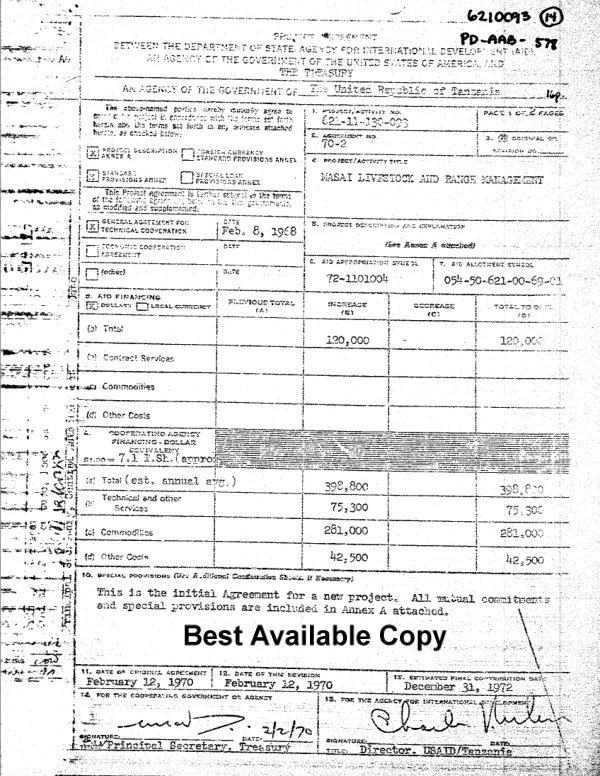
Best Available Cost: Cost Containment and Cost Management
The initiative also reported significant reductions in poverty and malnutrition rates among program participants.
87 pages
Sign in to readA free account is required to download.
Abstract
The program's geographic focus was on Eastern Province, with a particular emphasis on the districts of Kirehe and Nyagatare. The initiative's timeframes spanned from 2018 to 2022, with a total budget of $20 million. The program's success was attributed to the collaborative efforts of local government officials, farmers, and development partners. The initiative's methodology involved a combination of farmer training, infrastructure development, and market linkage facilitation. The program's cost components included personnel costs, equipment costs, and training costs. The initiative's cost-effectiveness was demonstrated through the significant increases in household income and food security indicators among program participants. The program's impact was evaluated through a combination of quantitative and qualitative methods, including surveys, focus group discussions, and key informant interviews. The evaluation revealed that the initiative had a positive impact on household income, food security, and poverty reduction among program participants. The initiative's success was attributed to the effective implementation of the program's interventions and the strong collaboration among stakeholders. The initiative's recommendations for future agricultural development programs include the need for continued investment in farmer training and infrastructure development. The program also emphasized the importance of market linkage facilitation and the need for continued support for women-headed households. The initiative's success serves as a model for future agricultural development programs in Rwanda and other countries.
Related documents