USAID
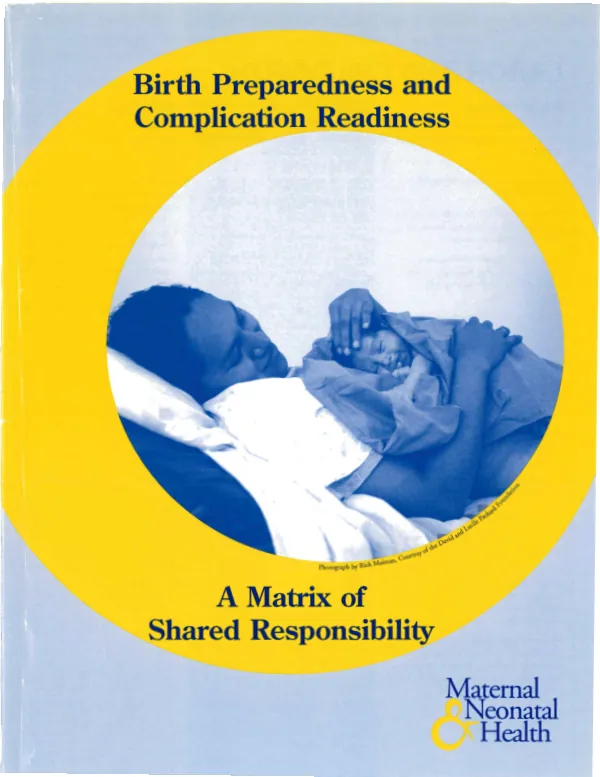
Birth Preparedness and Complication Readiness: A Matrix of Shared Responsibility
The Maternal and Neonatal Health Program emphasizes the importance of reducing delays in seeking, reaching, and receiving care during childbirth.
2015 · 12 pages
Sign in to readA free account is required to download.
Abstract
These delays can be attributed to various factors, including failure to recognize signs of complications, transportation difficulties, and the lack of skilled healthcare providers. The program advocates for Birth Preparedness and Complication Readiness (BP/CR) as a strategy to mitigate these delays. BP/CR is a comprehensive approach that involves the individual, family, community, healthcare providers, facilities, and policymakers. It requires a shared responsibility among these stakeholders to ensure the survival and well-being of pregnant women and newborns. The program aims to reduce delays by preparing individuals and communities to respond to complications and emergencies. A key element of BP/CR is identifying a skilled provider who can support a woman during labor and childbirth. This provider should be able to manage complications and refer patients to higher levels of care when necessary. The program also emphasizes the importance of having adequate personal funds to cover expenses related to childbirth. Communities can contribute to BP/CR by establishing emergency funds, establishing a functional transportation infrastructure, and advocating for skilled healthcare providers. Families can support BP/CR by supporting the pregnant woman's plans during pregnancy, childbirth, and the postpartum period, and by advocating for skilled healthcare. Healthcare providers play a crucial role in BP/CR by providing skilled care for pregnant women and newborns. They should be equipped with the necessary equipment, supplies, and skills to manage complications and refer patients to higher levels of care when necessary. Providers should also educate community members about BP/CR and dispel misconceptions and harmful practices that could hinder its implementation. Policymakers can support BP/CR by creating an environment that supports the survival of pregnant women and newborns. They should promote health and survival for pregnant women and newborns, ensure that skilled antenatal care is evidence-based and accessible, and coordinate donor support to integrate BP/CR into antenatal services. The BP/CR matrix is a tool that outlines the responsibilities and actions required to implement this approach. It emphasizes the importance of a shared responsibility among stakeholders to ensure the survival and well-being of pregnant women and newborns. The matrix highlights the need for a comprehensive approach that involves individuals, families, communities, healthcare providers, facilities, and policymakers. The BP/CR matrix outlines the roles and responsibilities of each stakeholder, including policymakers, facility managers, providers, communities, families, and individuals. It emphasizes the importance of a collaborative approach to ensure the survival and well-being of pregnant women and newborns. The matrix highlights the need for a functional emergency system, including transportation, blood supply, and emergency funds. It also emphasizes the importance of having skilled providers available 24/7, and having a system in place for clinical management, blood donation, and surgical interventions. Overall, the BP/CR matrix provides a framework for implementing a comprehensive approach to reducing delays in seeking, reaching, and receiving care during childbirth. It emphasizes the importance of a shared responsibility among stakeholders to ensure the survival and well-being of pregnant women and newborns.