USAID DEC
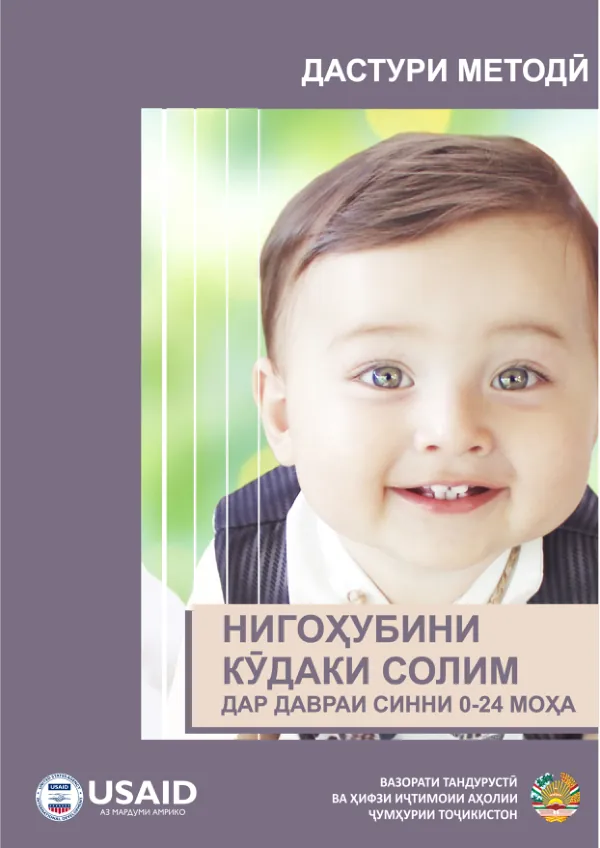
Breastfeeding: A Guide for Healthy Babies
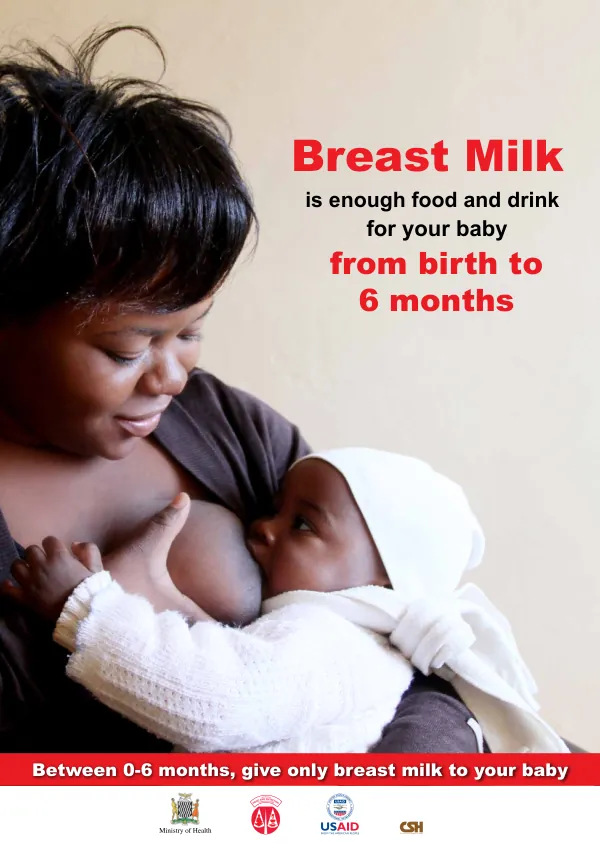
Breast milk is the primary source of nutrition for infants from birth to 6 months.
6 pages
Sign in to readA free account is required to download.
Abstract
Exclusive breastfeeding during this period provides essential nutrients, antibodies, and immune factors that support optimal growth and development. The World Health Organization recommends that babies receive only breast milk for the first six months of life. Breastfeeding has numerous benefits for both the mother and the baby. For the mother, it helps to reduce the risk of postpartum hemorrhage, uterine atrophy, and breast and ovarian cancer. For the baby, breastfeeding promotes healthy weight gain, reduces the risk of respiratory tract infections, and supports the development of a strong immune system. The American Academy of Pediatrics recommends exclusive breastfeeding for the first six months, with continued breastfeeding up to 2 years or beyond. At 6 months, breast milk remains a vital component of the baby's diet, but other foods can be introduced in addition to breast milk. Locally available foods rich in essential nutrients, such as fruits, vegetables, and whole grains, can be introduced to the baby's diet. A variety of locally available foods should be consumed daily to ensure the baby receives a balanced diet. To enhance the nutritional value of breast milk, mothers can take Vitamin-A supplements within 2 months of delivery. Vitamin-A is essential for the development of the baby's eyes, skin, and immune system. Health workers can provide Vitamin-A supplements to mothers, promoting healthy breastfeeding practices and supporting the overall well-being of the baby. Breastfeeding is a critical aspect of infant care, and it is essential to initiate breastfeeding within the first hour after delivery. This early initiation of breastfeeding helps to establish a strong bond between the mother and the baby, promotes healthy milk production, and reduces the risk of postpartum complications.