UNICEF
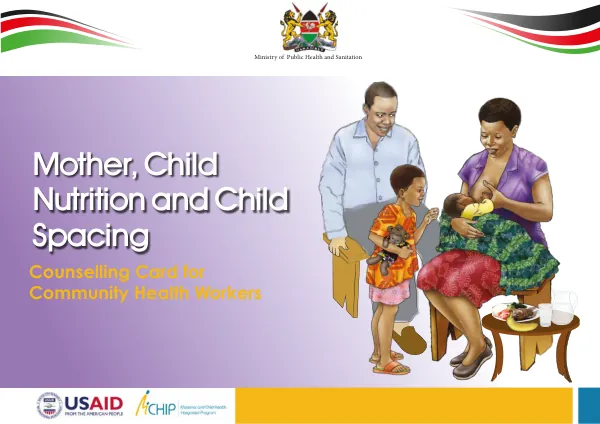
Breastfeeding: A Guide for Mothers
Exclusive breastfeeding for the first 6 months is recommended for optimal infant growth and health.
2012 · 3 pages
Sign in to readA free account is required to download.
Abstract
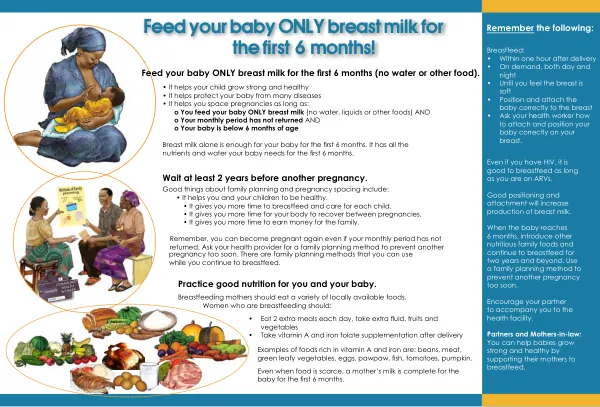
This period allows the baby to receive all necessary nutrients and water from breast milk, which is sufficient for their needs. Exclusive breastfeeding is associated with several benefits, including reduced risk of diseases and improved infant growth. The World Health Organization recommends exclusive breastfeeding for the first 6 months, with no additional water or food introduced during this period. This recommendation is based on the understanding that breast milk provides all the necessary nutrients and water for infant growth and development. Exclusive breastfeeding also helps to protect the baby from many diseases, including respiratory tract infections and diarrhea. Breastfeeding has additional benefits for the mother, including improved health and reduced risk of breast and ovarian cancer. Exclusive breastfeeding also helps to space pregnancies, allowing for a longer interval between births. This is particularly important in areas where access to family planning methods may be limited. To support exclusive breastfeeding, mothers are advised to eat a variety of locally available foods, including fruits, vegetables, and protein sources. Breastfeeding mothers require additional nutrients, including vitamin A and iron, which can be obtained through a balanced diet or supplementation. It is also essential to practice good nutrition for the mother, as this will support her own health and the production of breast milk. Breastfeeding should be initiated within the first hour after delivery and continued on demand, both day and night. Good positioning and attachment of the baby to the breast are crucial for successful breastfeeding and increased milk production. Even in cases where the mother has HIV, breastfeeding is recommended as long as she is on antiretroviral therapy (ARVs).
Related documents