DEPARTMENT OF ENERGY
Building Blocks of Electric Vehicle Deployment: A Guide for Developing Countries
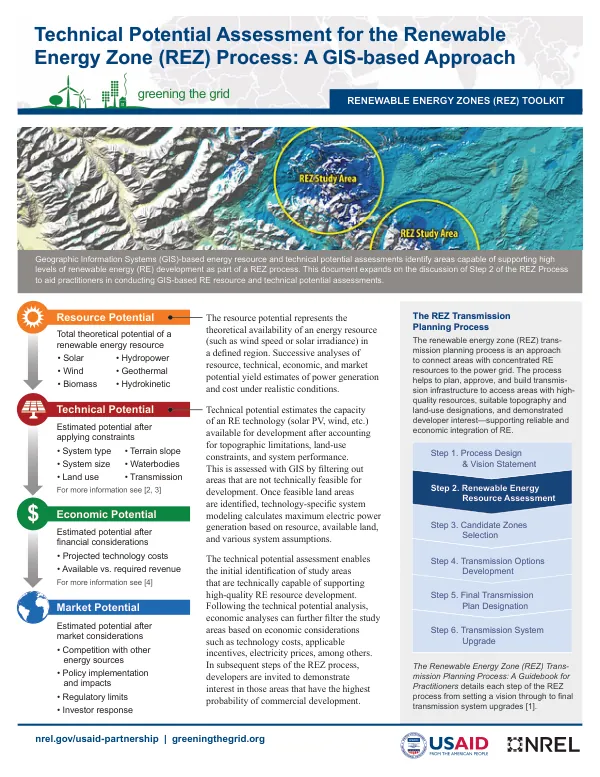
The transportation sector has historically been powered overwhelmingly by petroleum-based products, but momentum for electric vehicles (EVs) is growing.
2021 · 68 pages
Sign in to readA free account is required to download.
Abstract
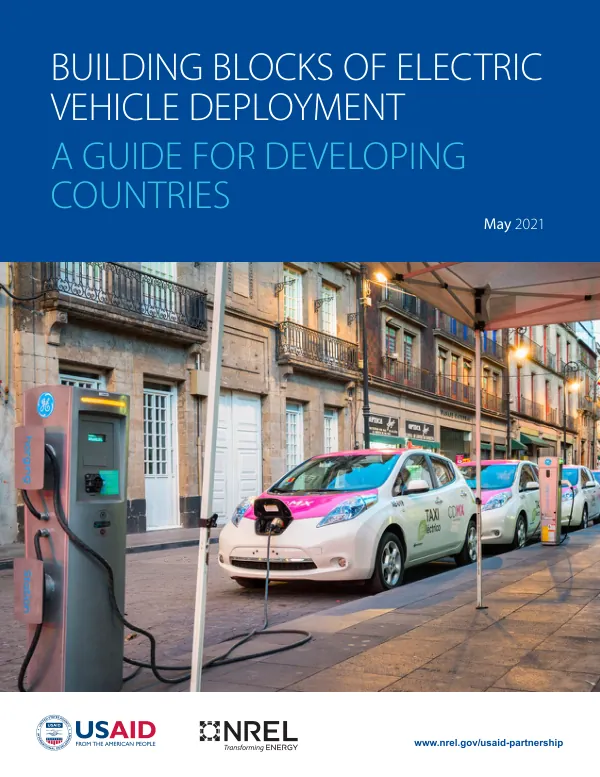
Global auto manufacturers are pivoting away from traditional internal combustion vehicles, and the private sector, public sector, investors, and utilities are investing heavily in vehicle electrification. At the same time, national and subnational governments are pledging support for EV deployment and charging infrastructure investments and phasing in bans on new gasoline and diesel vehicles. Plummeting lithium-ion battery prices over the past decade have enabled EV market expansion, and battery costs are projected to continue falling. Auto manufacturers are increasing EV model availability to meet customer demand. Decarbonization of the power sector reduces the carbon and environmental impacts of EVs as they age. A confluence of factors is accelerating EV deployment worldwide, which amounts to a radical shift in the transportation sector, with significant implications for the power sector, transportation, and the environment. This transformation does not happen on its own. Significant investment by numerous parties is needed to purchase EVs and to build out charging infrastructure. Political leadership plays an important role in launching any emerging technology, particularly one as disruptive as EVs. Utilities must adapt to and potentially flourish with the increased and altered electricity demand, while consumers need support in numerous forms to deploy EVs. EVs can offer a myriad of benefits for customers and society. However, limited experience in developing countries leaves decision-makers grappling with how to most effectively direct resources and time to support EV deployment. Decision-makers in developing countries may be interested in learning about global best practices from other geographies. There are useful lessons that can be learned from successes and failures of countries in diverse geographies around the world. This report lays out a framework for policymakers, regulators, and other decision-makers in developing countries for how to plan, implement, and scale EV deployment in their jurisdictions. The "building blocks" of EV deployment address technical, institutional, or economic topics that together underpin a safe, sustainable, and efficient transition to an electrified transport sector. The building blocks include targets and incentives for EV and EV supply equipment (EVSE) deployment, data management for EV deployment, establishing a network of charging infrastructure, EVSE standards and communications protocols, grid planning and management, electricity tariff design, and workforce development strategies. Targets and incentives for EV and EVSE deployment are critical for catalyzing a robust EV market. A number of complementary policy options need to be implemented to achieve this goal. Data management for EV deployment is essential for identifying the potential benefits of vehicle electrification and enabling well-designed strategies to scale EV deployment in a targeted manner. Establishing a network of charging infrastructure is a key requirement for EV market development, and different locations, charging needs, and equipment can lead to a variety of EVSE ownership and investment models that require a balance of public and private sector resources. EVSE standards and communications protocols are necessary for creating a compatible, reliable, and safe operating environment for EVs. Grid planning and management are critical for ensuring timely and cost-effective deployment of EVSE networks. Electricity tariff design can support utility cost recovery associated with hosting EVSE and can influence customer charging behavior to the benefit of the grid. Workforce development strategies are required to lay the groundwork for thriving EV markets, as EV deployment may create new jobs across multiple sectors.