TNC
Caracterización biológica de la Reserva Bojonawi –Puerto Carreño-Vichada
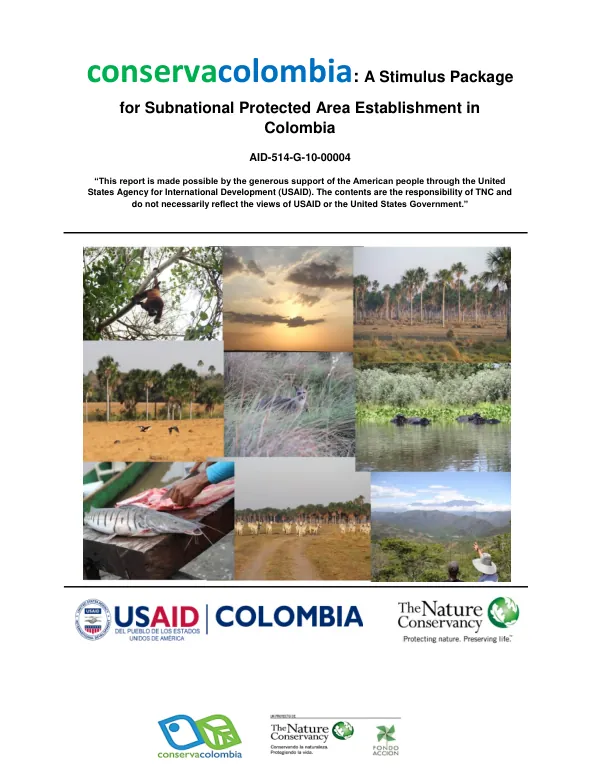
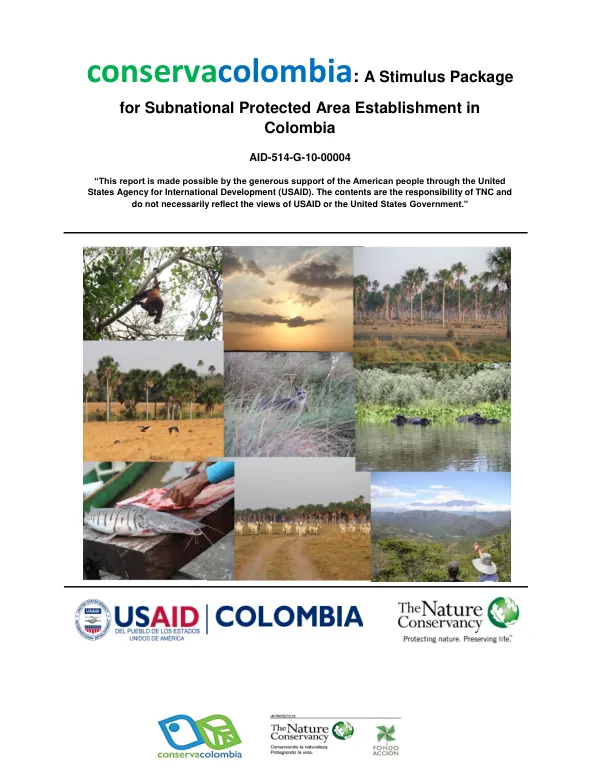
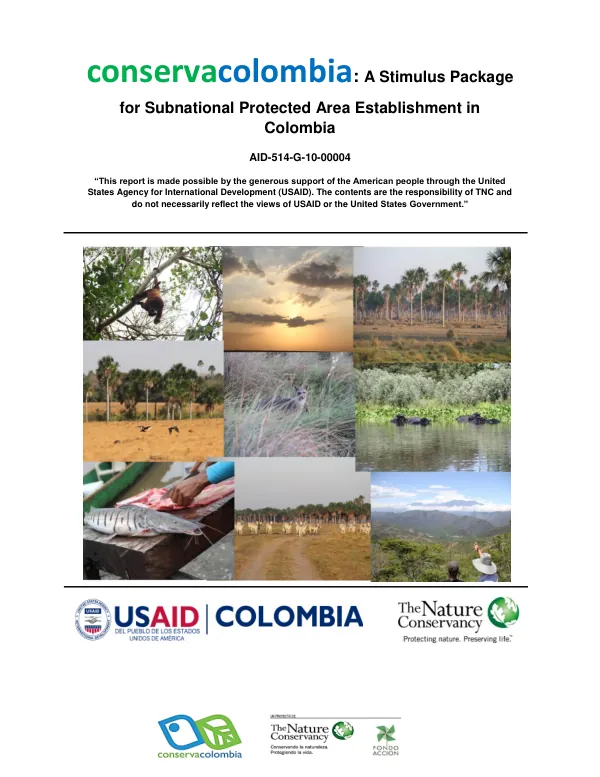
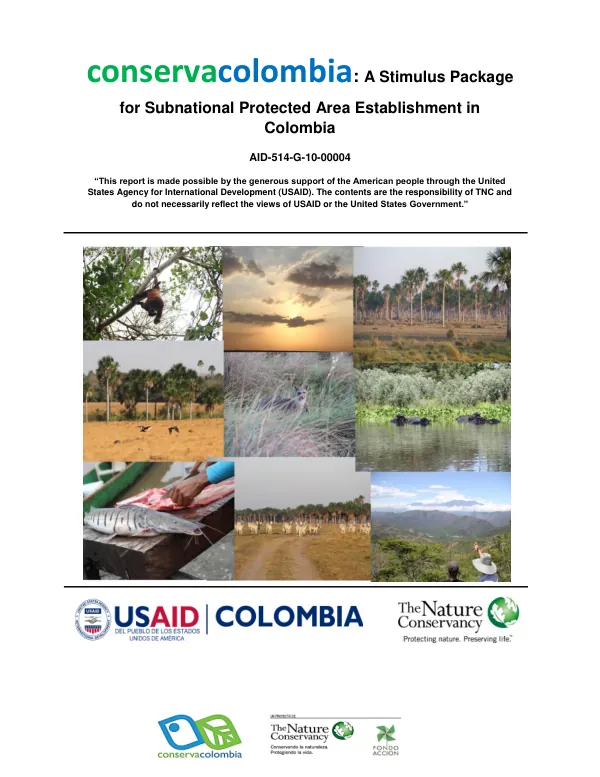
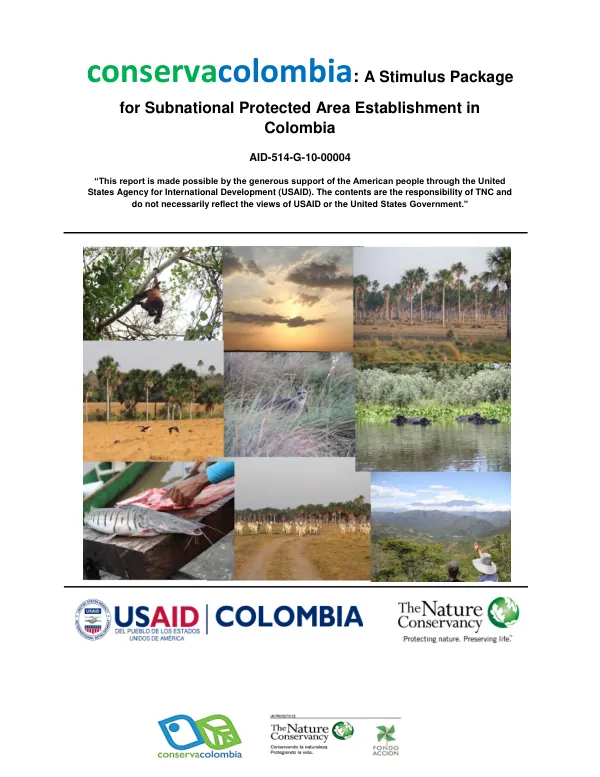
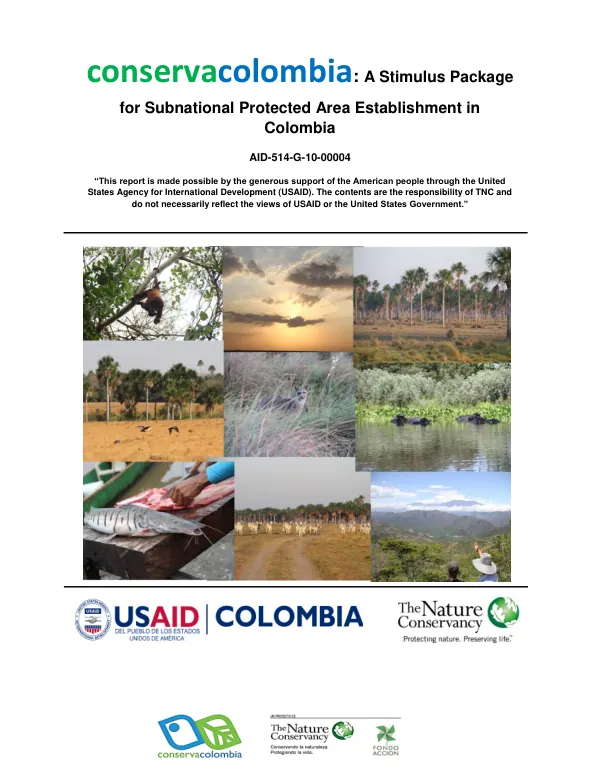
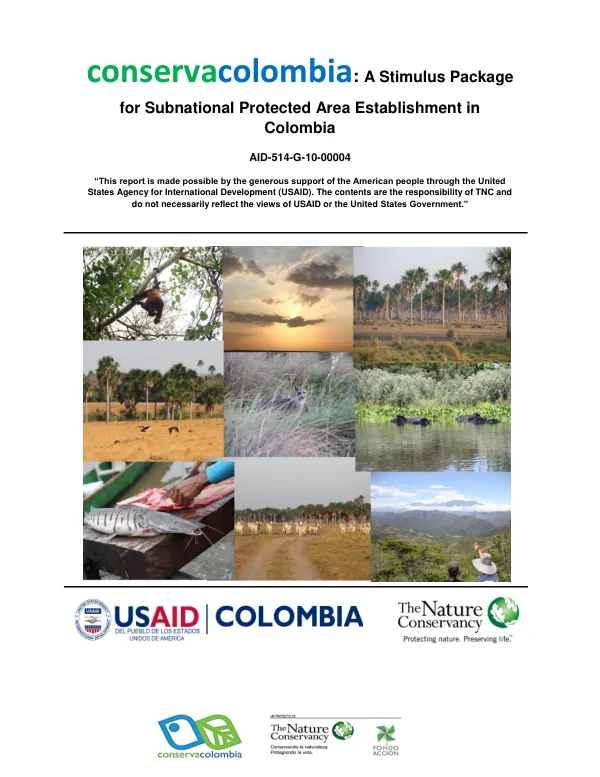
The Reserva Bojonawi, located in the Vichada department of Colombia, is a protected area that encompasses a diverse range of ecosystems, including savannas, forests, and riverine systems.
2014 · 167 pages
Sign in to readA free account is required to download.
Abstract
The area is characterized by a unique combination of geological and climatic factors, which have given rise to a rich and varied flora and fauna. The Reserva Bojonawi is situated within the Gran Paisaje de Andén Orinoqués, a region of high conservation value due to its unique geological and ecological characteristics. The area is home to a wide range of ecosystems, including savannas, forests, and riverine systems, which support a diverse array of plant and animal species. A biological characterization of the Reserva Bojonawi was conducted in 2014, which involved the inventory of the area's flora, fauna, and ecosystems. The study revealed a total of 846 species of plants, distributed across 118 families and 438 genera. The most diverse ecosystems in the area were found to be the rocky outcrops, followed by the flooded forests of the Orinoco River, and the savannas. The study also identified a total of 243 species of birds, grouped into 178 genera and 51 families. The majority of these species were found in the forests, followed by the savannas and the riverine systems. In addition, the study identified 257 species of fish, which were grouped into 36 families, 6 subfamilies, and 8 orders. The Characiformes order was found to have the highest number of species, followed by the Siluriformes order. The Reserva Bojonawi is considered to be in a good state of conservation, with a high level of biodiversity and a unique combination of ecosystems. The area is of great importance for the conservation of flora and fauna in the region, and its registration as a Reserva Natural de la Sociedad Civil (RNSC) is recommended. The savannas of the Vichada department are subject to intense human intervention, including the presence of cattle, arroz, maize, and soybean crops, as well as the extraction of hydrocarbons. In addition, the area has experienced an increase in forest activity, with the introduction of non-native species. This has led to a loss of biodiversity and a degradation of the ecosystem. The forests of the Reserva Bojonawi are of great importance due to their biological, ecological, cultural, and economic value. They contain many species and resources that are not available in the savannas, and their conservation is essential for the maintenance of ecosystem services such as nutrient cycling, water regulation, and carbon sequestration. The riverine systems of the Reserva Bojonawi are also of great importance due to their role in regulating the water cycle, controlling erosion, and supporting biodiversity. The area's unique combination of geological and climatic factors has given rise to a rich and varied flora and fauna, which are adapted to the area's specific conditions. The Reserva Bojonawi is a unique and valuable ecosystem that requires conservation and protection. Its registration as a RNSC is recommended, and efforts should be made to protect the area's biodiversity and ecosystem services.