CARE
CARE SDEARP Quarter 3 Report (April – June, 2015) to OFDA
The South Darfur Emergency Assistance and Recovery Project (SDEARP) is a humanitarian initiative implemented by CARE in Sudan.
2015 · 11 pages
Sign in to readA free account is required to download.
Abstract
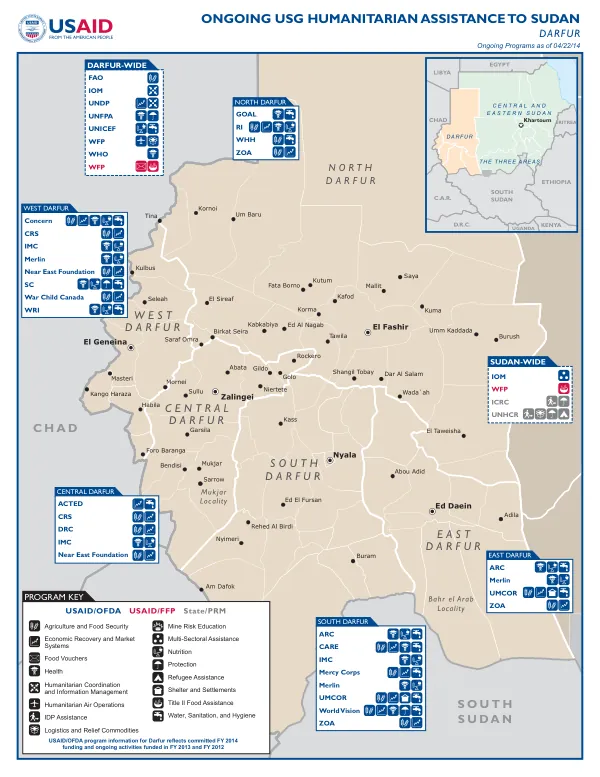
The project aims to address acute food insecurity and promote sustainable livelihoods among vulnerable communities in South Darfur. The project operates in Kass and Gereida localities, with a focus on improving agricultural production, food security, and economic recovery. In the reporting period of April to June 2015, the security situation in South Darfur became increasingly tense, particularly in the lead-up to the April election. Tribal divides and conflict spread in locations such as Kass and Gereida, resulting in attacks on aid agencies, including UNAMID. The government became sensitive to community mobilization and assessment activities, which negatively affected project implementation. Despite these challenges, CARE continued to provide life-saving activities, including health, nutrition, and WASH services. In the agriculture and food security sector, CARE conducted four orientation sessions with Village Development Committees (VDCs) to enhance community participation. The objective of these sessions was to improve the capacity of IDPs, host communities, and rural farmers to address acute food insecurity and promote sustainable livelihoods. CARE also trained 10 Community Animal Health Workers (CAHWs), including four women, and established a drug revolving fund system. The newly trained CAHWs conducted a vaccination campaign, reaching 4,819 livestock and 3,482 households. In the economic recovery and market systems sector, CARE supported 100 existing Village Savings and Loan (VSL) groups with business training for income diversification. The training was attended by 560 people, including 65 men. Follow-up monitoring visits showed that 20 groups had already started viable small trades and reported increases in starting capital. CARE also established 50 new VSL groups, including 400 women, and trained an additional six staff from the partner organization, Great Family Organization (GFO), in VSL methodology. In the health sector, CARE continued to provide technical and managerial support to eight Primary Health Care (PHC) facilities. The support included regular visits, necessary drugs, essential supplies, and other medical supplies. CARE also repaired two generators at Hai Elkifah and Kass Kabier clinic. Despite challenges, including a one-week closure of the Alsalam clinic due to conflict of responsibilities between HAC and SMoH, CARE was able to resolve the issue and ensure the clinic reopened. Overall, CARE made significant progress in implementing the SDEARP project, despite the challenging security situation in South Darfur. The project's focus on improving agricultural production, food security, and economic recovery has contributed to the well-being of vulnerable communities in the region.