USAID DEC
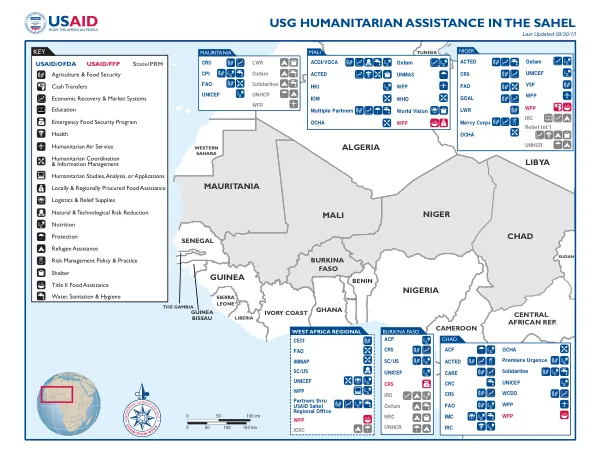
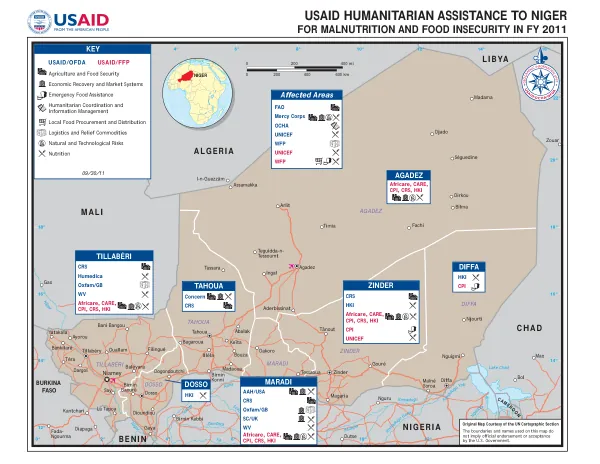
USAID HUMANITARIAN ASSISTANCE TO NIGER FOR MALNUTRITION AND FOOD INSECURITY IN FY 2011
Sign inAFRICARE, INC.
USAID HUMANITARIAN ASSISTANCE TO NIGER FOR MALNUTRITION AND FOOD INSECURITY IN FY 2011
Niamey, the capital city of Niger, is situated in the southwestern part of the country.
2011 · 1 pages
Sign in to readA free account is required to download.
Abstract
The city is located near the Niger River and serves as a major commercial center. Niamey is a hub for transportation, trade, and commerce, connecting Niger to neighboring countries such as Mali, Burkina Faso, and Benin. The region surrounding Niamey is characterized by a semi-arid climate, with hot temperatures and limited rainfall. The area is prone to droughts and desertification, which can have significant impacts on agriculture and food security. The Niger River, which flows through the city, is a vital source of water and supports irrigation for crops such as millet, sorghum, and cowpeas. Niger is a landlocked country located in West Africa, bordered by Libya to the northeast, Chad to the east, Nigeria to the south, Benin and Burkina Faso to the southwest, Mali to the west, and Algeria to the northwest. The country has a diverse geography, with the Sahara Desert covering much of the north and the Sahel region in the south. The climate varies from hot and dry in the north to hot and humid in the south. The Niger River, which flows through the country, is a vital source of water and supports agriculture, fishing, and transportation. The river is approximately 4,180 kilometers long and flows through several countries, including Mali, Niger, and Nigeria. The river's basin is home to a diverse range of flora and fauna, including crocodiles, hippos, and various bird species. The region is home to several ethnic groups, including the Hausa, Zarma, and Tuareg. The Hausa people are the largest ethnic group in Niger and are primarily found in the southern part of the country. The Zarma people are also found in the south and are known for their expertise in agriculture and trade. The Tuareg people are primarily found in the north and are known for their nomadic lifestyle and expertise in trade and commerce. The region is also home to several major cities, including Niamey, Zinder, Maradi, Dosso, and Tahoua. These cities serve as major commercial centers and are connected to neighboring countries by road, rail, and air. The region is also home to several major markets, including the Grand Marché in Niamey, which is one of the largest markets in West Africa. The region is prone to several natural disasters, including droughts, floods, and sandstorms. The Sahara Desert, which covers much of the north, is expanding southward, causing desertification and land degradation. The region is also vulnerable to climate change, which can have significant impacts on agriculture, food security, and human health. The region is home to several major international organizations, including the United Nations Children's Fund (UNICEF), the World Food Programme (WFP), and the Food and Agriculture Organization (FAO). These organizations provide humanitarian assistance, food aid, and technical support to the government and local communities. The region is also home to several non-governmental organizations (NGOs), including Mercy Corps, Oxfam, and Concern, which provide humanitarian assistance, food aid, and technical support to the government and local communities. The region is also home to several major infrastructure projects, including the Niger River Basin Development Authority, which aims to develop the Niger River and its basin for irrigation, fishing, and transportation. The project includes the construction of dams, canals, and irrigation systems, as well as the development of fisheries and transportation infrastructure. The region is also home to several major economic projects, including the Niger River Basin Economic Development Project, which aims to develop the region's economy through the development of agriculture, livestock, and tourism. The project includes the construction of roads, bridges, and other infrastructure, as well as the development of markets and trade facilities. The region is also home to several major cultural and historical sites, including the Air Mountains, which are a UNESCO World Heritage Site. The Air Mountains are a range of mountains located in the north of Niger and are home to several ancient rock art sites, including the famous Air Mountains rock art site. The site features several ancient rock paintings and engravings, which depict the lives of the Tuareg people and their ancestors. The region is also home to several major festivals and celebrations, including the Niger Festival, which is held annually in Niamey. The festival celebrates the country's culture, music, and dance, and features several performances by local and international artists. The festival also includes several cultural and historical exhibitions, which showcase the region's rich cultural heritage. The region is also home to several major educational institutions, including the University of Niamey, which is one of the largest universities in West Africa. The university offers several undergraduate and graduate programs in fields such as agriculture, engineering, and medicine. The university also has several research centers and institutes, which focus on topics such as agriculture, climate change, and public health. The region is also home to several major health facilities,