USAID DEC
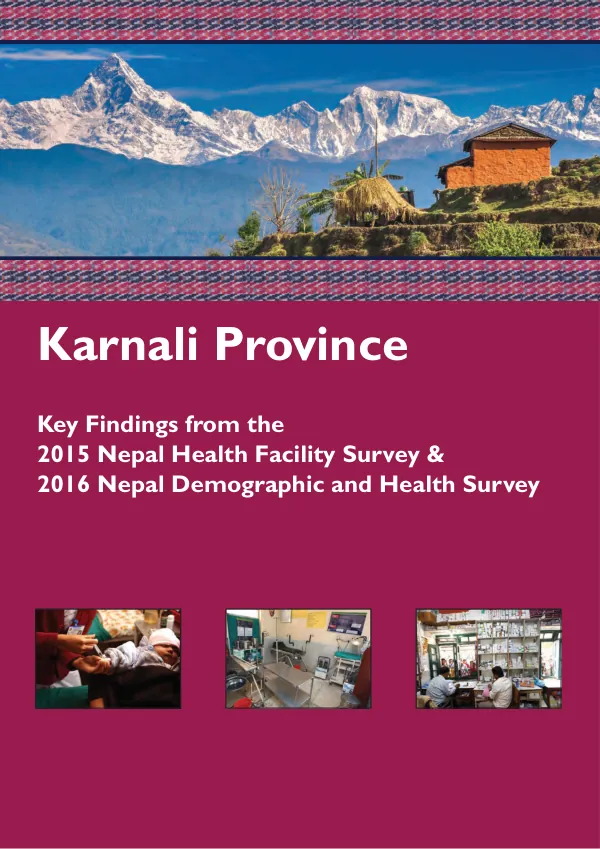
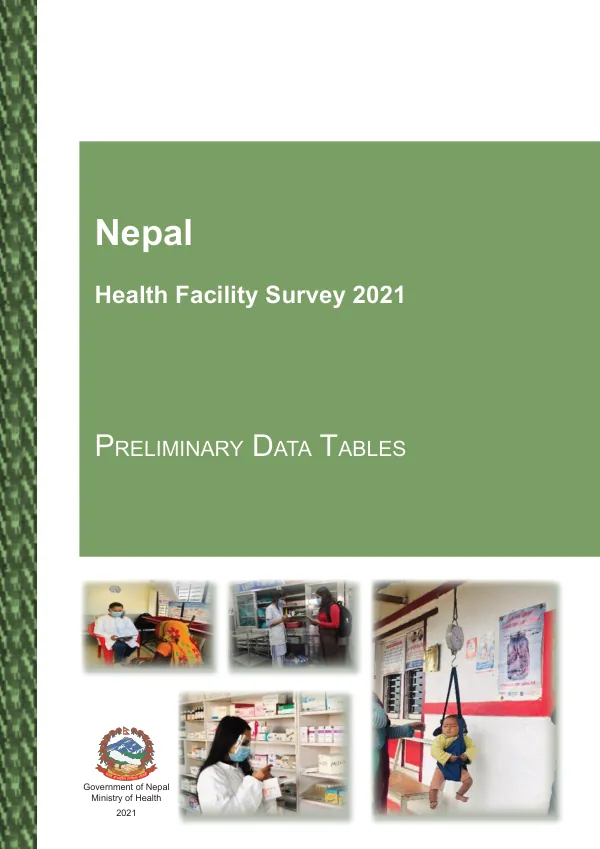
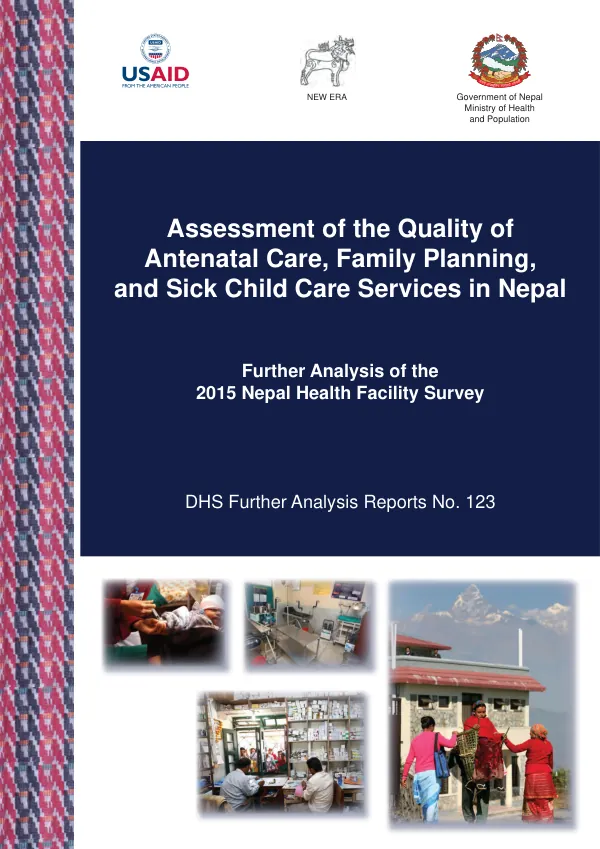
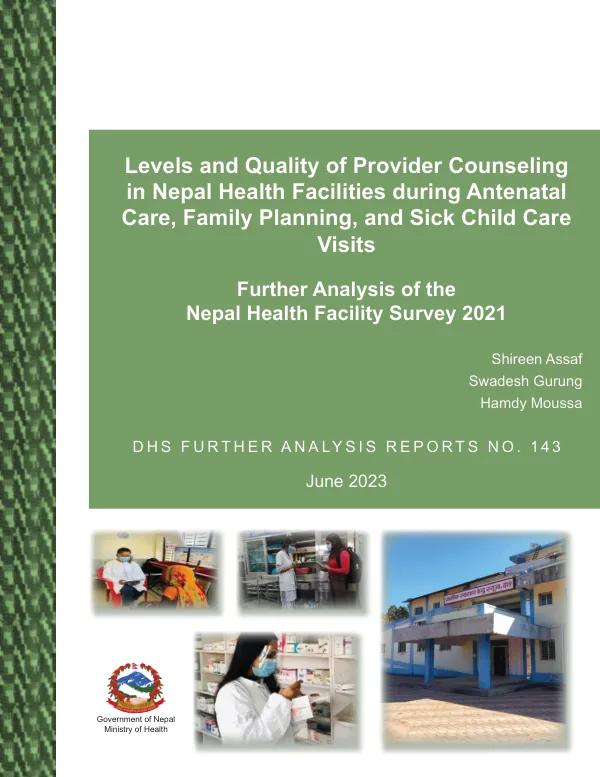
Changes in Service Availability, Readiness, Process of Care, and Caregiver Satisfaction with Child Curative Services: A Comparison between the 2015 and 2021 Nepal Health Facility Surveys (FA146) - Analysis Brief [AB39]
Sign inGOVERNMENT OF SENEGAL
Changes in Service Availability, Readiness, Process of Care, and Caregiver Satisfaction with Child Curative Services: A Comparison between the 2015 and 2021 Nepal Health Facility Surveys (FA146) - Analysis Brief [AB39]
Childhood mortality in Nepal has significantly decreased since 1996.
2024 · 2 pages
Sign in to readA free account is required to download.
![Changes in Service Availability, Readiness, Process of Care, and Caregiver Satisfaction with Child Curative Services: A Comparison between the 2015 and 2021 Nepal Health Facility Surveys (FA146) - Analysis Brief [AB39]](https://covers.devme.ai/gen/145170.webp)
Abstract
To reduce mortality further, health systems and services need to be strengthened. The main objective of this comparison analysis is to assess the changes made in the child curative services sector in health facilities in Nepal between 2015 and 2021. The data in this analysis were drawn from the two nationally representative Nepal Health Facility Surveys of 2015 and 2021. A simple additive index was used that produced scores by adding binary variables. The scores for service readiness, adherence to the process of care, infection prevention and control, and caregiver satisfaction were compared to determine any notable differences. Almost all (99%) facilities provided child curative care, and improvements were observed over the time span between the two surveys. Service Availability and Readiness increased significantly, with improvements in staff training and guidelines, equipment, diagnostics, and medicines and commodities. Infection Prevention and Control vastly improved, with significant increases in the availability of soap and running water or alcohol-based hand disinfectants, latex gloves, needle destroyers, waste receptacles, and medical masks. Adherence to the Process of Care for children under age 5 increased significantly from 29% in 2015 to 34% in 2021. Caregiver Satisfaction improved substantially between 2015 and 2021, with significant improvements observed in 6 of the 11 indicators. The overall caregiver satisfaction score increased from 85 in 2015 to 89 in 2021. The results of this comparison analysis have several policy implications for Nepal to improve healthcare delivery and outcomes. Further improvement of service readiness must continue, supporting the goal of providing targeted child health services to 90% of the estimated population by 2030. Essential factors include trained staff and guidelines, decentralization of healthcare, private sector involvement, procurement and supply chain management strengthening, and responsibility and accountability at the local, provincial, and national levels. Improving overall caregiver satisfaction requires a multi-faceted approach that addresses the process of care, quality assurance, monitoring and evaluation, and health worker training and resources. The analysis highlights the importance of continued investment in strengthening health systems and services in Nepal. By addressing the gaps in service readiness, infection prevention and control, and caregiver satisfaction, the country can further reduce childhood mortality and improve healthcare outcomes.
Related documents
Documents in this collection
![Changes in Service Availability, Readiness, Process of Care, and Client Satisfaction with Family Planning Services: A Comparison between the 2015 and 2021 Nepal Health Facility Surveys (FA147) - Analysis Brief [AB41]](https://covers.devme.ai/gen/138852.webp) 2021
2021USAID DEC
Changes in Service Availability, Readiness, Process of Care, and Client Satisfaction with Family Planning Services: A Comparison between the 2015 and 2021 Nepal Health Facility Surveys (FA147) - Analysis Brief [AB41]
Open record 2021
2021USAID DEC